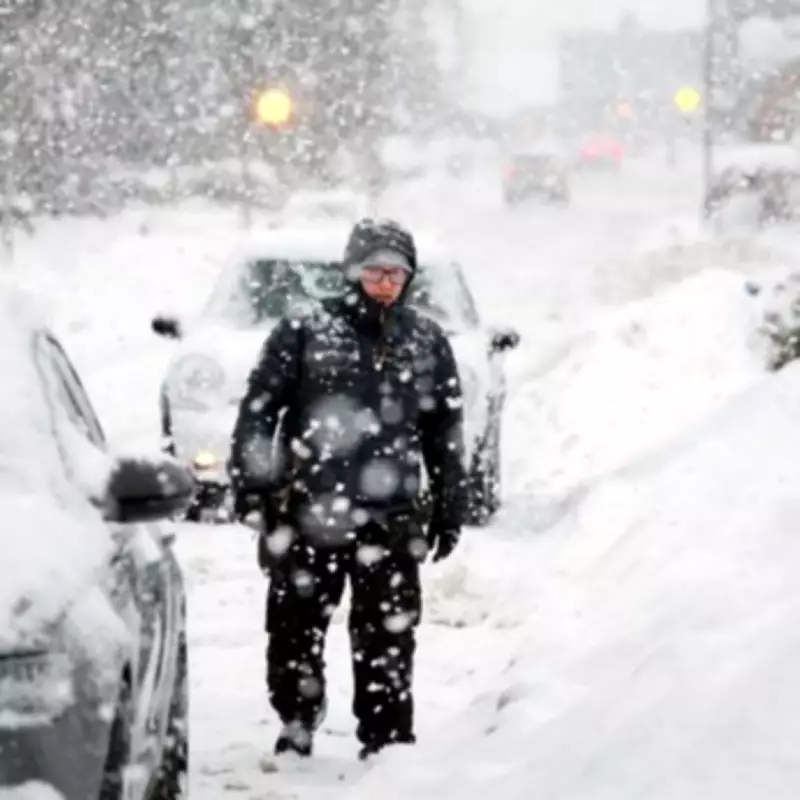
The Met Office has escalated its weather alerts by issuing an urgent snow warning that is set to impact five distinct regions across the United Kingdom. Forecasters predict that these areas could be buried under as much as four inches of snow, leading to potential travel chaos and heightened safety concerns for residents.
Immediate Weather Alert Details
This breaking development comes as the Met Office activates its warning system in response to rapidly changing atmospheric conditions. The alert specifically targets regions where heavy snowfall is anticipated, with accumulations reaching up to four inches in some locales. Meteorologists are closely monitoring the situation, advising the public to stay informed through regular updates as the weather pattern evolves.
Affected Regions and Expected Impacts
The five regions under the snow warning include parts of Scotland, northern England, and other areas prone to winter weather disruptions. Residents in these zones should prepare for possible road closures, public transport delays, and school cancellations. The Met Office emphasizes that the snowfall could lead to hazardous driving conditions and recommends avoiding non-essential travel during the peak of the event.

Key safety measures have been outlined by authorities, including keeping emergency kits stocked and checking on vulnerable neighbors. The warning also highlights risks of power outages and icy surfaces, urging communities to take proactive steps to mitigate potential dangers.
Broader Weather Context and Updates
This snow warning is part of a larger weather system affecting the UK, with the Met Office noting that colder temperatures and precipitation are likely to persist in the coming days. Experts attribute the conditions to seasonal shifts and atmospheric pressure changes, which are common during this time of year but require vigilant monitoring.
As this is a developing story, the Met Office advises the public to refresh their information sources for the latest updates. Further warnings or modifications to the alert may be issued based on real-time data and forecast adjustments.