Ice Storm Threatens Power Grid: Millions Face Heat and Electricity Loss
Utility companies and state officials across the eastern United States are bracing for a forecasted ice storm that could bring down power lines and cause widespread outages, putting millions of residents at risk of losing both electricity and heat. The approaching weather system has prompted urgent preparations as experts warn of the particularly destructive nature of freezing rain on infrastructure.
Southern States Most Vulnerable to Heating Loss
In the southern regions of the country, losing electricity doesn't simply mean lights going out—it means losing essential heating systems. According to data from the U.S. Census Bureau, a majority of homes are heated by electricity in Alabama, Arkansas, Georgia, Kentucky, Louisiana, Mississippi, North Carolina, South Carolina, Tennessee, Texas and Virginia. This makes these states especially vulnerable during winter power outages.
Keith Avery, CEO of Newberry Electric Cooperative in South Carolina, has been monitoring weather forecasts closely and preparing response teams. "I hate ice storms," Avery said. "They are worse than hurricanes." He explained that ice-coated trees and power lines can continue falling long after the storm has passed, creating prolonged repair challenges for utility crews.

Lessons from Previous Winter Disasters
The memory of Winter Storm Uri in 2021 still looms large, particularly in Texas where freezing temperatures crippled the state's power grid for five days and resulted in 246 storm-related deaths. While experts note that Uri's damage primarily stemmed from poorly weatherized power plants and natural gas systems rather than downed power lines, the event highlighted critical vulnerabilities in energy infrastructure.
"The main lesson was to enforce requirements for utilities to be ready for cold weather," said Georg Rute, CEO of Gridraven, a Texas-based firm that analyzes power system risks for grid operators. Rute acknowledged that utilities have applied lessons from Uri but warned that other vulnerabilities remain, including transmission lines tripping during extreme cold conditions.
Disparities in Outage Impacts
Research has revealed significant disparities in how power outages affect different communities. Jennifer Laird, a sociology professor at the City University of New York's Lehman College who studies energy insecurity, noted that Winter Storm Uri exposed how residents in predominantly Hispanic areas experienced more outages, while Black residents were more likely to face outages lasting a day or more.
"There are lots of ways that we're dependent on energy that we don't realize until a crisis hits—and then it really exposes those vulnerabilities," Laird explained. She highlighted how outages affect everything from medical equipment requiring electricity to families with infants who rely on refrigeration for breast milk.
Financial Burden Beyond Immediate Crisis
Even if this weekend's storm doesn't produce significant outages, the financial consequences could linger for months. Approximately one in six U.S. households are already behind on their energy bills, and with millions expected to increase heating usage during the cold snap, that number could rise substantially.
"A month or two after the storm hits, suddenly the bill hits," Laird warned. "We could see a rise in disconnection notices and disconnections." Younger households and those with lower levels of education are particularly less likely to have contingency plans in place for such energy emergencies.
Utility Companies Mobilise Response Teams
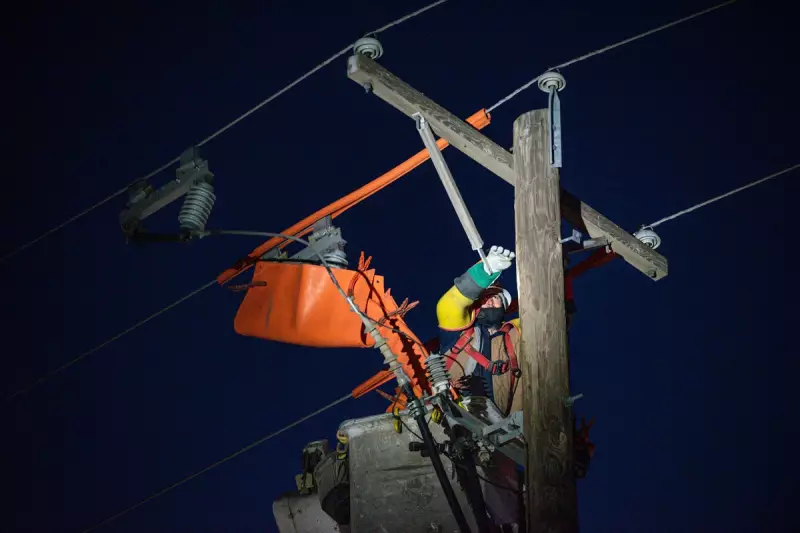
Major utility providers across the Southeast have activated emergency response plans. Duke Energy, serving more than 4.6 million customers in North and South Carolina, has urged residents to prepare for multiple days without power and has positioned over 18,000 workers to respond once conditions are safe.

The Tennessee Valley Authority, which serves more than 10 million people across seven states, reported investing hundreds of millions of dollars in weatherization since a 2022 winter storm and implementing redundancies to reroute power if lines go down. "It takes a lot of snow and ice to down one of those big lines," said TVA spokesperson Scott Brooks, though he acknowledged the particular threat posed by ice accumulation.
Texas Governor Greg Abbott has offered assurances about the state's power grid preparedness, stating that the Electric Reliability Council of Texas grid has "never been stronger, never been more prepared, and is fully capable of handling this winter storm." However, he acknowledged that residents could still lose power as ice weighs down power lines and trees fall onto them.
As the ice storm approaches, utility crews across multiple states are positioned and ready, but officials emphasize that the unique challenges of freezing rain—with its lingering effects on trees and infrastructure—make this weather event particularly concerning for power grid stability and public safety.