
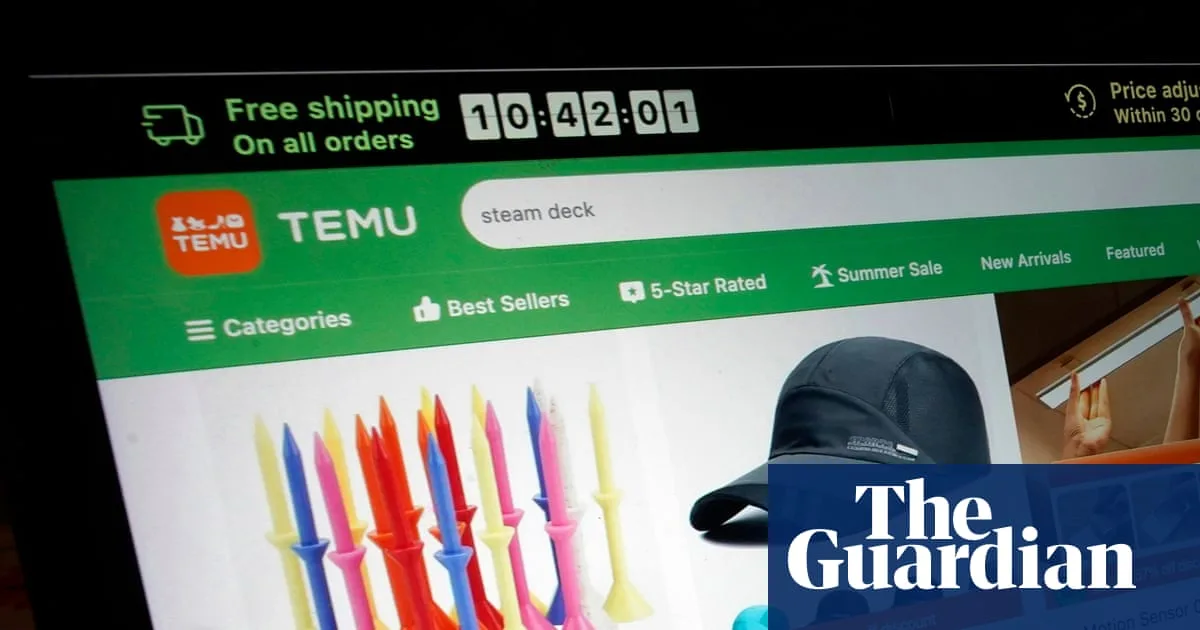
The European Commission has fined Chinese e-commerce platform Temu €200 million (£173 million) for failing to prevent the sale of illegal and dangerous products. The penalty, the largest ever imposed under the EU's Digital Services Act (DSA), follows a 19-month investigation that found consumers were highly likely to encounter unsafe items on the site.
An unpublished mystery shopping exercise commissioned by the EU revealed a 'high percentage' of unsafe baby products and a 'very high percentage' of dangerous chargers, alongside unsafe clothing and jewellery. Consumer groups had previously reported baby toys with choking hazards, dummy chains that could strangle, jewellery containing lead, clothes with banned chemicals, and chargers posing risks of burns or electric shock.
The Commission also criticised Temu's website design, noting that recommender systems and influencer promotions could amplify the dissemination of illegal products. The fine is the second under the DSA, following a €120 million penalty on Elon Musk's X in December 2024 for deceptive verification badges and advertising transparency issues.
A senior EU official described the breach as 'particularly serious', citing an inadequate risk assessment on unsafe products conducted by Temu in 2024. The fine represents a fraction of Temu's revenues; its parent company, PDD Holdings, reported global revenues of $54 billion in 2024. Under the DSA, companies can be fined up to 6% of global turnover.
Temu, which has 130 million consumers in the EU, said it disagreed with the decision and considered the fine disproportionate. A spokesperson stated that the penalty relates to its first DSA assessment in 2024 and does not reflect current systems. Temu has until 28 August to submit an action plan to address the issues.




