Landslides in Southern Ethiopia Claim 50 Lives, 125 Missing After Heavy Rains
At least 50 people have been confirmed dead and 125 others are reported missing after devastating landslides struck three districts in southern Ethiopia. The disaster occurred following a week of intense heavy rainfall, according to local officials who provided an update on Thursday.
Districts Affected and Rescue Operations
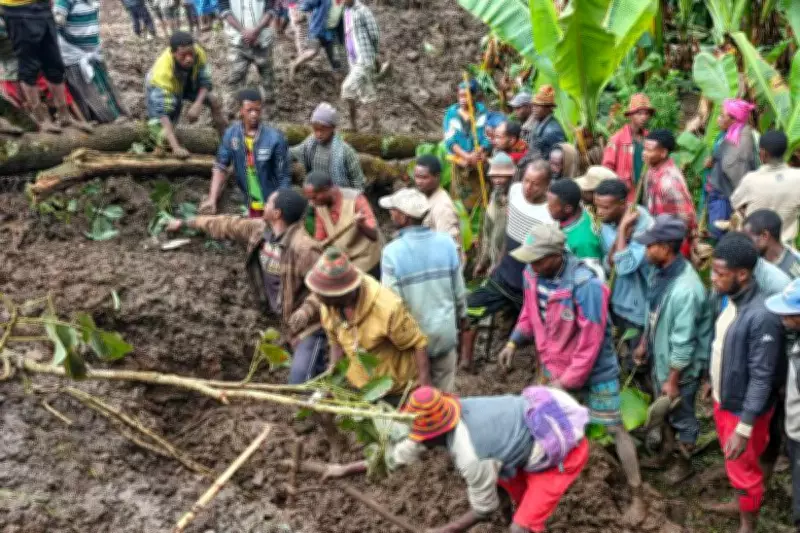
The landslides impacted the Gamo Zone, specifically affecting the Gacho Baba District, Kamba District, and Bonke District. Mesfin Manuqa, the Gamo Zone director of disaster response, confirmed the tragic toll and detailed the ongoing rescue efforts. During these operations, one individual was successfully pulled out of the mud alive, offering a glimmer of hope amidst the devastation.
Abebe Agena, the communication chief for Gacho Baba District, stated that most of the deceased were discovered buried in the mud. The full extent of the damage remains unclear, as authorities have not yet determined how many households have been affected by the catastrophic event.

Official Response and Warnings
Tilahun Kebede, president of the South Ethiopia Regional State, expressed profound sorrow over the disaster. He issued a urgent plea to residents, urging them to relocate to higher ground as the heavy rains persist. "Given that it is the rainy season and these types of disasters could happen again, I am calling on communities living in the highlands and flood-prone areas to take the necessary precautions," Kebede emphasized.
Historical Context of Natural Disasters in Ethiopia
Mudslides and floods triggered by heavy rainfall are a recurrent and common occurrence in Ethiopia, particularly during the annual rainy season. The region has a tragic history of similar events, with a deadly mudslide in July 2024 claiming the lives of 229 people in southern Ethiopia. This latest incident underscores the ongoing vulnerability of communities to extreme weather patterns and the critical need for enhanced disaster preparedness and mitigation strategies.