Tropical Cyclone Narelle Unleashes Devastating Floods in Western Australia
Tropical Cyclone Narelle has struck Western Australia with ferocious intensity, triggering severe flooding across multiple regions. The storm system, which intensified rapidly over the Indian Ocean, made landfall earlier this week, bringing torrential rainfall and powerful winds that have overwhelmed local infrastructure and prompted large-scale emergency responses.
Widespread Damage and Evacuation Efforts
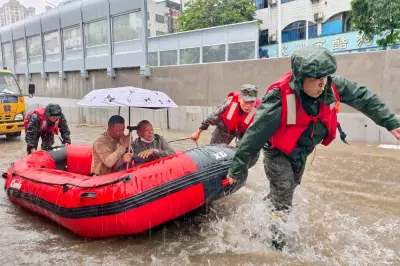
Emergency services in Western Australia are currently managing extensive damage reports, with floodwaters inundating homes, roads, and agricultural land. Authorities have issued mandatory evacuation orders for several low-lying communities, particularly in coastal areas where storm surges have exacerbated the flooding. Residents have been urged to seek higher ground immediately, with shelters established in safer inland locations to accommodate displaced individuals and families.
The flooding has led to significant disruptions, including road closures, power outages, and communication breakdowns in isolated regions. Local officials report that rescue teams are using boats and helicopters to reach stranded residents, with efforts focused on ensuring public safety amid the ongoing deluge.

Meteorological Analysis and Forecast
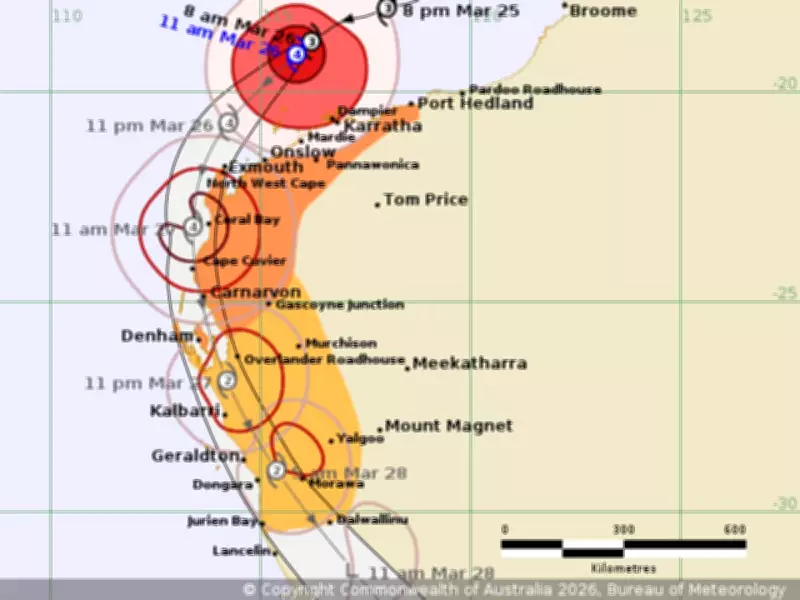
Meteorologists indicate that Tropical Cyclone Narelle developed from a tropical low-pressure system, gaining strength as it moved towards the Western Australian coast. The storm has been classified as a severe tropical cyclone, with sustained winds exceeding 120 kilometers per hour and rainfall totals surpassing 300 millimeters in some areas over a 24-hour period.
Weather warnings remain in effect for much of Western Australia, with predictions of continued heavy rainfall and potential flash flooding over the coming days. The Bureau of Meteorology has advised residents to stay informed through official channels and avoid unnecessary travel until conditions improve.
Impact on Communities and Infrastructure
The economic and social impact of Cyclone Narelle is expected to be substantial, with early estimates suggesting millions of dollars in damage to property and crops. Agricultural sectors, including livestock and crop farming, have been particularly hard-hit, raising concerns about food supply chains and rural livelihoods.
Infrastructure such as bridges, railways, and water treatment facilities has also sustained damage, complicating recovery efforts. Government agencies are coordinating with local councils to assess the full extent of the destruction and plan for rebuilding once the storm subsides.
Climate Context and Preparedness Measures
This event highlights the increasing frequency and intensity of extreme weather events in Australia, linked to broader climate patterns. Experts note that warmer ocean temperatures may be contributing to the formation of more powerful cyclones, underscoring the need for enhanced preparedness and resilient infrastructure in vulnerable regions.
In response, Western Australian authorities are reviewing emergency protocols and investing in flood mitigation projects. Public awareness campaigns are being ramped up to educate communities on cyclone safety and evacuation procedures, aiming to reduce future risks.
As Tropical Cyclone Narelle continues to affect Western Australia, the focus remains on protecting lives and minimizing damage. Recovery operations will likely extend for weeks, with support from state and federal resources to aid affected communities in rebuilding and restoring normalcy.