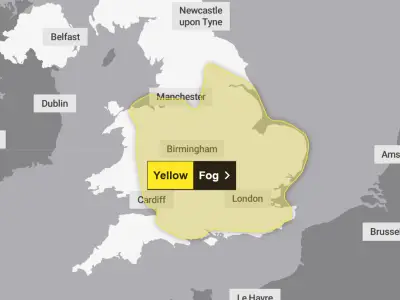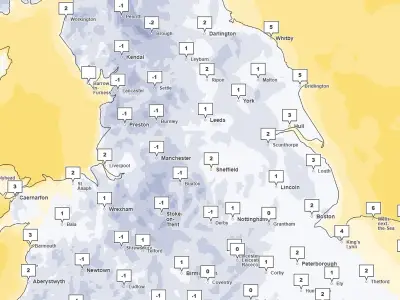
With snow forecast for parts of the UK this week, households are looking for ways to stay warm without driving up energy bills. The Met Office forecast suggests hill snow across North Wales, northern England and Scotland from Tuesday, along with plunging temperatures nationwide.
As winter approaches, many households will consider turning up their heating. With the typical household paying around £144 a month for gas and electricity, improving heating efficiency without extra cost is a priority. Here are three free ways to prepare before the cold snap hits.
Reduce Your Boiler Flow Temperature
Adjusting your boiler's flow temperature can save £100 a year if you have a combi boiler. Most boilers are set to run at 70°C to 80°C by default, but they work more efficiently at a lower temperature.
According to Zoe Morris, savings expert at VoucherCodes.co.uk, reducing the flow temperature to around 60°C means the boiler doesn't have to work as hard, using less gas and costing less to run. This setting allows the boiler to run in condensing mode, which can significantly cut energy use. For guidance, check the Money Saving Boiler Challenge from innovation charity Nesta or search online for videos specific to your boiler brand.
Get Your Radiators Ready
Cleaning and bleeding radiators helps them work more efficiently, so you won't need as much energy to warm your rooms. British Gas repair engineer Sunny Solanky explains that pockets of air can build up inside radiators, preventing even heating.
If the top of your radiators feels cooler than the bottom, switch the system off and let it cool, then use a radiator key to release trapped air. It's also worth checking what's around your radiators, as furniture can block heat circulation. Sebrina McCullough of the Money Wellness blog recommends leaving around 6in to 12in between furniture and radiators to ensure free movement of air and heat circulation.
Lower Radiator Valves in Less-Used Rooms
If you have thermostatic radiator valves (TRVs), adjusting them could save up to £40 a year, according to Smart Energy GB. These valves let you control individual room temperatures, so you don't have to heat every corner of your home equally.
The Energy Saving Trust explains that TRVs let you take more control of individual room temperatures by adjusting the hot water flowing into each radiator. Most TRVs have a numbered scale from zero to six, with zero meaning off and six the highest setting. The Trust recommends aiming for the lowest setting that keeps the room comfortable—for example, setting valves between three and four in regularly used rooms, and between two and three in bedrooms or less frequently used spaces.
However, MoneySavingExpert warns that colder rooms can be more susceptible to condensation, increasing the risk of mould, and fridges and freezers may struggle if the temperature drops below 10°C. If your radiators don't have TRVs, avoid turning them off completely in very cold weather, as this could increase the risk of pipes freezing and bursting.