Portugal Floods Force 3,000 Evacuations as Motorway Collapses and Interior Minister Resigns
Heavy rainfall and successive storms have battered central and southern Portugal, leading to a severe flooding crisis that has forced the evacuation of approximately 3,000 residents, caused the collapse of a key motorway, and prompted the resignation of the interior minister. At least 15 people have died as a result of the storms that have swept across the region since late January.
Motorway Collapse and Levee Failure
A levee on the River Mondego burst late on Wednesday, undermining a pillar supporting the A1 highway, which is a critical link between Lisbon and Porto. This led to a section of the road giving way, although police had already closed it as a precautionary measure. Coimbra mayor Ana Abrunhosa reported to RTP that the city and surrounding towns are facing very serious problems due to the floods, with some areas isolated and the situation described as extremely unstable.
Government Response and Political Fallout
Prime Minister Luís Montenegro traveled to Coimbra to oversee the emergency response, stating that authorities are at the limit of their capacity to contain the waters. The political pressure intensified as Interior Minister Maria Lúcia Amaral resigned late on Tuesday, citing a lack of personal and political conditions necessary to continue in her role, following criticism over the government's handling of the flood response. Montenegro will temporarily assume her responsibilities.

Evacuations and Ongoing Threats
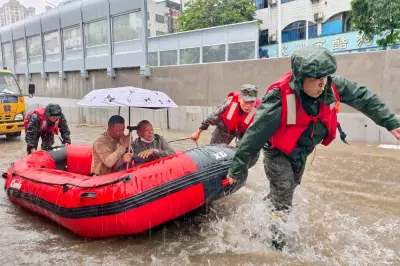
Municipal authorities ordered the precautionary evacuation of about 3,000 people most at risk from the Mondego bursting its banks. Police conducted door-to-door checks and transported residents to shelters. Regional civil protection official Carlos Tavares warned that the Aguieira dam, located about 35km northeast of Coimbra, could overflow, sweep away levees, and trigger further flooding. Portugal's environment agency APA anticipates an exceptional period of peak flows on the Mondego through Saturday.
Broader Impact and Historical Context
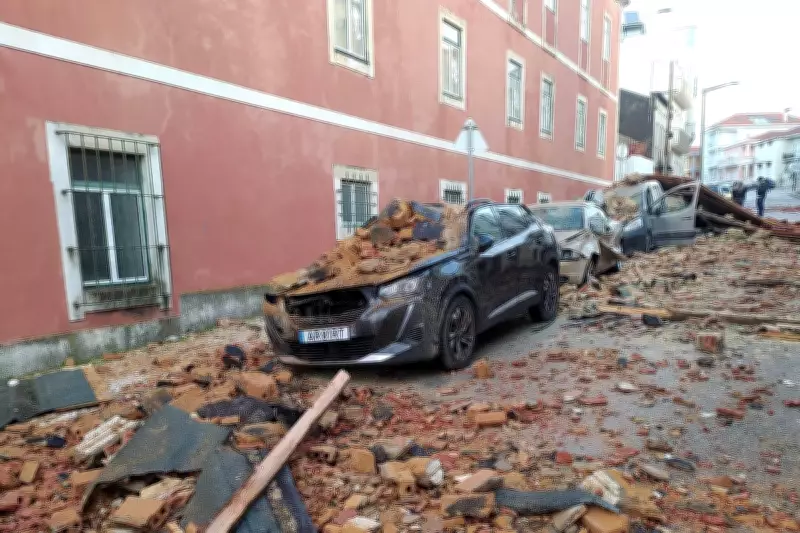
The latest flooding follows successive storms, including Kristin, Leonardo, and Marta, that have battered central and southern Portugal since late January, blowing roofs off homes, inundating towns, and leaving hundreds of thousands without electricity for days. Satellite images from the European Space Agency show areas along the River Tagus, northeast of Lisbon, where water levels have risen since late December, with the river spreading beyond its usual banks.
In central Portugal, authorities evacuated the village of Porto Brandao due to landslide risks, and around 30 people were removed from their homes after a landslide in the neighbouring beachside area of Caparica. Several parts of Portugal and southern Spain recorded more than 250mm of rain in just seven days. Portugal remains under a state of calamity in 69 municipalities until mid-February following what authorities described as unprecedented rainfall, with the Copernicus Emergency Management Service activated for flooding in both Portugal and Spain.