Man Swept Away During River Crossing as New Zealand Battles Severe Flooding
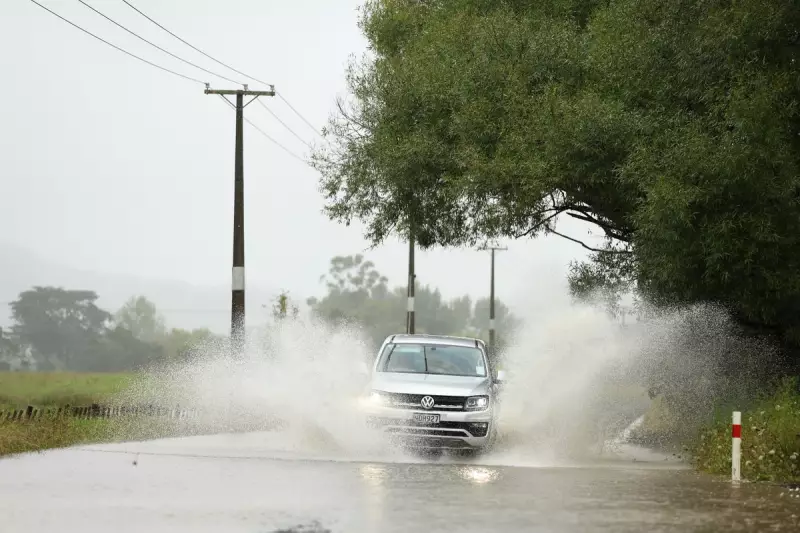
Emergency services in New Zealand are searching for a man who disappeared after his vehicle was washed away during a river crossing near the town of Warkworth, north of Auckland. The incident occurred on Wednesday morning as torrential rainfall triggered widespread flooding and landslides across the North Island, forcing authorities to order evacuations in multiple regions.
Widespread Evacuations and Emergency Declarations
Local councils across affected parts of the North Island have instructed residents in low-lying and flood-prone areas to move to higher ground immediately. Others have been told to prepare for evacuation at short notice as rainfall intensified throughout Wednesday. The New Zealand Transport Agency reported numerous road closures due to slips and surface flooding, severely disrupting travel.
According to local media reports, another passenger in the vehicle near Warkworth managed to escape and raise the alarm, but the driver remains missing. Emergency Management and Recovery Minister Mark Mitchell expressed particular concern about Northland, where the ground has become fully saturated after days of relentless rain.

Red Weather Warnings and Life-Threatening Conditions
MetService, New Zealand's national weather forecaster, has issued red heavy rain warnings for extensive areas of the upper North Island, including Northland, the Coromandel Peninsula, Bay of Plenty, and Gisborne. These warnings cite life-threatening dangers from dangerous river conditions, significant flooding, and landslides.
Auckland, Hawke's Bay, and parts of the upper South Island have been placed under lower-level warnings. MetService attributes the extreme weather to what it describes as an "extremely moist air mass from the tropics," with intense downpours expected to continue into Thursday, particularly in areas where catchments are already overwhelmed.
Local States of Emergency and Rescue Operations
Local states of emergency have been declared in several districts, including Whangārei, Thames-Coromandel, Bay of Plenty, Hauraki, and Tairāwhiti. Civil Defence has issued emergency alerts across parts of Northland, urging residents to:
- Stay off roads
- Avoid non-essential travel
- Evacuate immediately if floodwaters rise
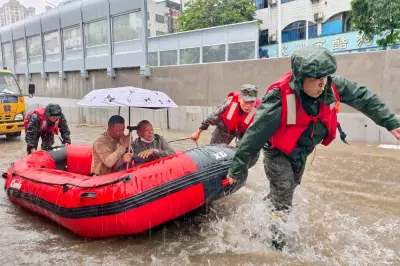
Dramatic rescue operations have been underway across affected regions. On the Coromandel Peninsula, a woman was rescued by kayak from the deck of her flooded home, while neighbours helped save a 94-year-old man trapped by rising water. In Whangārei, the mayor warned that wastewater systems were at capacity, urging residents to reduce water use to prevent spills.
Record Rainfall and Infrastructure Challenges
Parts of the Coromandel Peninsula recorded nearly a month's worth of rainfall in just twelve hours, according to MetService data. The tourist town of Whitianga has been cut off after State Highway 25 was closed in both directions due to flooding and slips, with multiple highways across the peninsula and Northland also shut as conditions deteriorated.
Heavy rain watches remain in place for extensive areas including Waikato, Taupō, Nelson, Canterbury, and the West Coast, highlighting the scale of the weather system affecting both islands. Emergency services have warned that fast-moving water, unstable ground, and debris pose serious risks to life, urging people not to drive or walk through floodwaters.
Climate Context and Future Concerns
This severe weather event occurs as New Zealand faces increasing pressure on infrastructure from extreme rainfall events. While authorities have not directly attributed the latest flooding to climate change, scientists have repeatedly warned that warming temperatures are increasing the intensity of heavy rainfall across the country, raising the risk of flash floods and landslides.

Civil Defence has advised residents to keep emergency supplies ready and check on neighbours when safe to do so. Officials have stated that damage assessments will begin once conditions ease but warned that further evacuations remain possible if rainfall continues at forecast intensity.