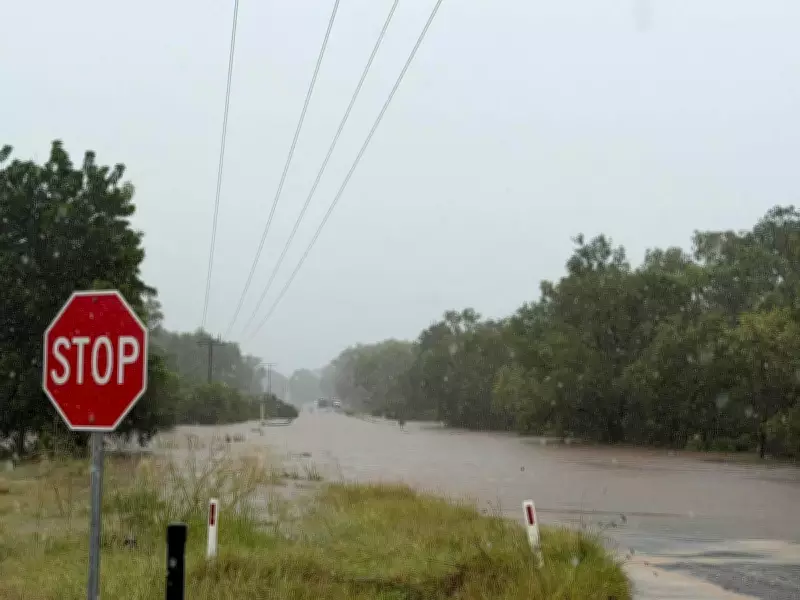
Hundreds of residents have been evacuated from remote communities in Australia's Northern Territory following severe flooding that has inundated the region, prompting a large-scale emergency response. The flooding, caused by heavy rainfall and rising water levels, has isolated numerous areas, cutting off access roads and threatening local infrastructure.
Emergency Airlift Operations Underway
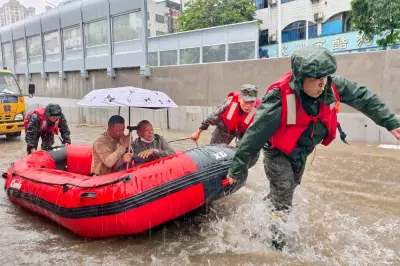
Emergency services, including the Australian Defence Force and local rescue teams, have mobilised to airlift hundreds of people from affected communities. Helicopters and other aircraft are being used to transport residents to safer locations, with priority given to vulnerable individuals such as the elderly, children, and those with medical conditions. The operations are focused on remote Indigenous communities that are particularly at risk due to their isolation and limited resources.
Impact on Remote Communities
The flooding has caused significant disruption, with reports of homes being submerged, power outages, and contaminated water supplies. Local authorities have issued warnings for residents to avoid floodwaters and seek higher ground. The Northern Territory government has declared a state of emergency in the worst-hit areas, coordinating relief efforts and providing temporary shelters for evacuees.

Weather conditions are expected to worsen, with forecasts predicting more rainfall in the coming days, which could exacerbate the flooding and hamper rescue operations. Meteorologists have linked the extreme weather to broader climate patterns, noting an increase in such events in recent years.
Response and Support Measures
In response to the crisis, the federal government has pledged financial assistance and resources to support the Northern Territory's emergency efforts. Non-governmental organisations are also on the ground, distributing essential supplies like food, water, and medical aid. Community leaders have emphasised the need for long-term solutions to improve resilience against future flooding events in remote regions.
The situation remains fluid, with authorities urging residents to stay informed through official channels and follow safety advisories. As rescue operations continue, the focus is on ensuring the well-being of all affected individuals and minimising further risks from the ongoing floods.