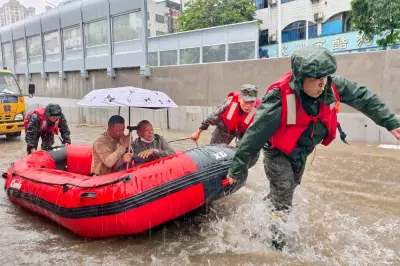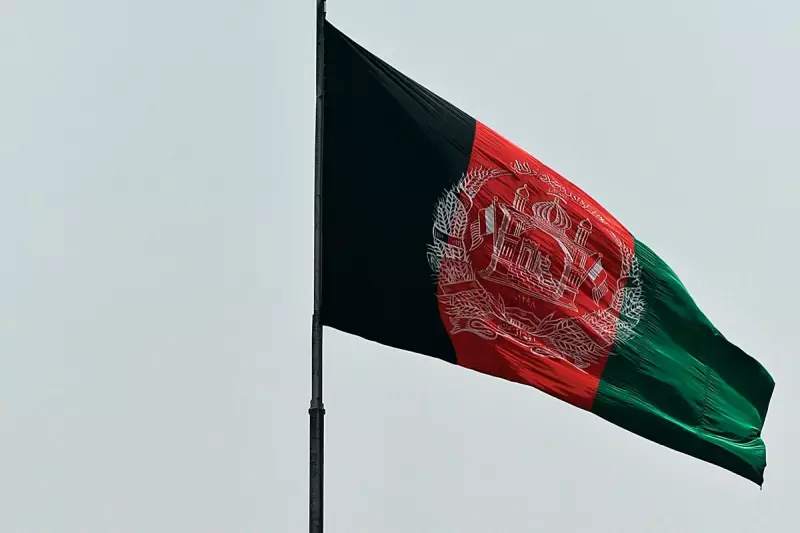
At least seventeen people have been killed and hundreds more displaced after a sudden onslaught of flash flooding swept across multiple regions of Afghanistan this week.
Families Buried and Infrastructure Destroyed
The season's first heavy rain and snow, which ended a prolonged dry spell, triggered the devastating floods. The human toll includes a particularly tragic incident in Kabkan, located in Herat province, where five members of a single family, including two children, died on Thursday when the roof of their home collapsed under the deluge.
Mohammad Yousaf Hammad, a spokesperson for the national disaster management authority, confirmed that a further eleven people were injured as the floods ravaged the country from Monday onwards. The severe weather has not only claimed lives but also wrought extensive damage to critical infrastructure and killed livestock, destroying livelihoods.

Widespread Impact and Mounting Crisis
The scale of the disaster is vast, with initial assessments indicating that approximately 1,800 families have been affected. This catastrophe has severely exacerbated the already dire conditions faced by vulnerable communities, both in urban and remote rural areas.
Hammad stated that assessment teams have been urgently dispatched to the worst-hit zones, with surveys ongoing to determine the full extent of humanitarian needs, including shelter, food, and medical aid.
A Nation Exceptionally Vulnerable to Climate Shocks
Afghanistan, like its neighbours Pakistan and India, is acutely susceptible to extreme weather events, particularly the sudden, destructive flash floods that follow seasonal rains. This vulnerability is a compound crisis. Decades of conflict, crumbling infrastructure, and widespread deforestation have left the population dangerously exposed.
This exposure is magnified by the escalating impacts of global climate change. In remote regions, many homes are constructed from mud-brick, offering scant protection against sudden deluges and leading to higher casualties and displacement when disasters strike.