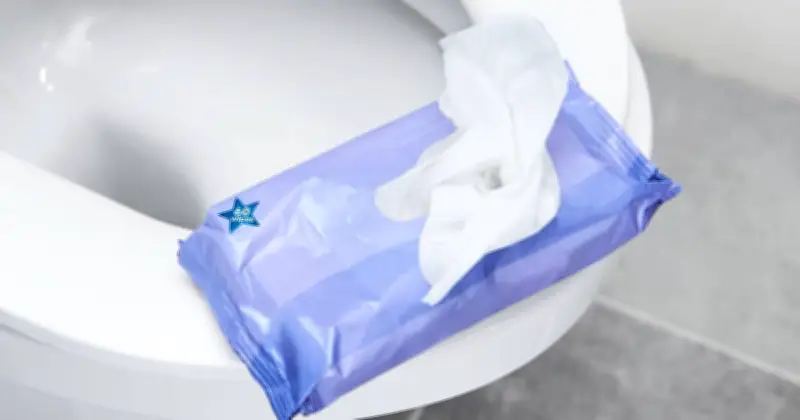
The United Kingdom is set to implement a coordinated ban on single-use plastic wet wipes across all four nations, with staggered start dates from December 2026 to August 2027. The ban targets wet wipes containing plastic, which contribute to sewer blockages, microplastic pollution, and marine litter.
Key Dates for Each Nation
Wales will be the first to enforce the ban on December 18, 2026. England follows on May 19, 2027, and Northern Ireland on May 18, 2027. Scotland will be the last, with the ban taking effect on August 11, 2027. The prohibition covers both online and in-store sales of single-use wet wipes containing plastic.
Products Included in the Ban
The ban applies to a wide range of products, including baby wipes, face and makeup removal wipes, cosmetic face sheet masks, moist toilet tissue, antibacterial hand wipes, personal hygiene and deodorant wipes, and household cleaning wipes such as wet-mop wipes or pads.

Exemptions and Permitted Uses
Plastic-free wet wipes are not included in the ban, and consumers are advised to look for the term 'plastic-free' on packaging. Reusable wet wipes that can be safely reused many times are also exempt. The ban does not apply to medical purposes; healthcare professionals may continue to use and supply plastic-containing wet wipes. Registered pharmacies may sell them only to customers who specifically request them, and they are prohibited from displaying or advertising these products. Wholesalers and manufacturers may sell to businesses, charities, and public sector organisations, but these wipes must not be passed on to individual customers except to registered pharmacies.
Enforcement and Penalties
Local authorities will conduct inspections to ensure compliance. Breaching the law could result in a fine and an order to cover investigation costs. Inspectors have the power to visit shops, make test purchases, speak to staff, and ask to see records.
Background and Support
A public consultation found that 95% of respondents supported the ban. In 2021, 30 billion wet wipes were placed on the UK market, with an estimated 26 billion containing plastic. DEFRA Beach Litter Monitoring Data showed that between 2015 and 2020, an average of 20 wet wipes were found per 100 metres of beach surveyed across the UK.
Flushing Advice
Consumers are advised not to flush any wet wipes, even those labelled as flushable, as they may not break down quickly in sewers and can contribute to fatbergs. Research from Cardiff University found that biodegradable wipes can still release substantial quantities of microfibres that fail to degrade.