First Pirate Shipwrecks Found in Bahamas: Evidence of Blackbeard and Calico Jack
First Pirate Shipwrecks Found in Bahamas

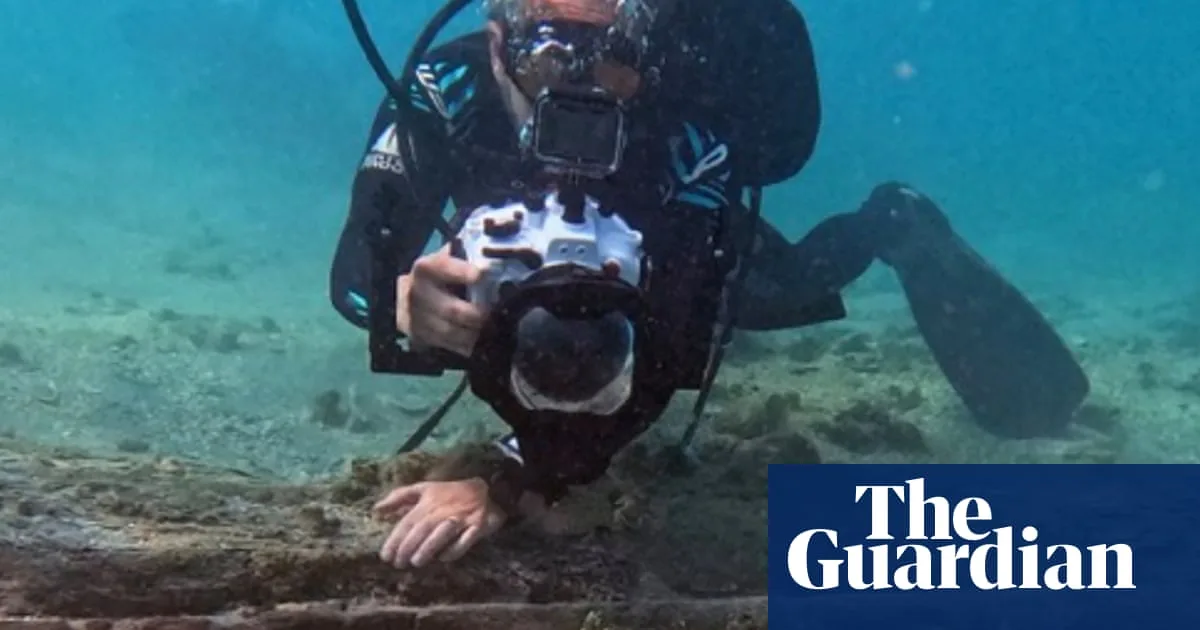
An international team co-directed by a British marine archaeologist has discovered the first shipwrecks linked to the real pirates of the Caribbean in the Bahamas. The finds include six wrecks in Nassau harbour on New Providence island, three of which date back to the 'golden age of piracy' between the 1690s and 1720s.

Pirate Hideout Revealed

Blackbeard and Calico Jack Rackham were among the pirates who turned Nassau into a notorious hideout where they planned heists and divided plunder. The expedition, granted the first official permission to dive in the closed zone of Nassau harbour, uncovered a charred wooden hull still weighed down by stone ballast, swivel guns, an iron cannon, 25 lead musket balls, and a grinding stone for sharpening swords.

Charred Hull and Pirate Tactics

Pirates often set fire to seized ships to destroy evidence of their crimes. The charred hull, with timbers connected by wooden treenails, suggests a vessel burned to the waterline. Dr Sean Kingsley, co-director and British marine archaeologist, said: 'To actually see and touch it really was a once-in-a-lifetime moment and quite emotional.' The team speculates the hull could be the Fancy, the flagship of Henry Avery, who in 1695 pulled off the most lucrative heist in pirate history, looting gold, silver, sapphires, emeralds, and diamonds worth over £85 million today.

Wide Pickt banner — collaborative shopping lists app for Telegram, phone mockup with grocery list

Weapons of Choice

Swivel guns, pivot-mounted cannon, were the pirates' preferred weapons for causing panic on enemy decks. The archaeologists found one such example, described as a 'calling card of pirate attacks.' Dr Michael Pateman, co-director and ambassador for history in the Bahamas, noted: 'Burning ships to the waterline was an infamous tactic to hide felony from authorities. The Nassau hull shows all the signs of pirate mischief.'

Significance of the Discovery

While a handful of pirate wrecks have been found from Mauritius to North Carolina, none had previously been discovered in Nassau, the home port of the pirates of the Caribbean. Kingsley remarked: 'Thanks to Hollywood, everyone loves the legend. But, beyond the fantasy, nobody knows how the sea dogs really lived... and what happened to the vehicles of their mayhem, wooden ships.'

Dangers of the Expedition

The explorer and project film-maker Chris Atkins highlighted the risks: 'Tides flush dangerous currents through its waters twice a day. It's home to notorious packs of sharks. This was a risky expedition with high chances of finding nothing.' The waters have one of the world's largest concentrations of sharks, but the team reported no conflict. Kingsley said: 'We were conscious of respecting their realm.'

Additional Finds

The team also discovered rigging, glass bottles, bricks from a ship's cooking galley, and 143 clay tobacco pipes decorated with a unicorn, horse, crown, and the royal crest of England, suggesting London manufacture around the 1740s. The pipes were found sticking out of sand next to fragments of wooden shipping crates. Kingsley noted: 'No others have been found in a wrecked cargo. The ship was likely English and sailed for Nassau just after the pirate menace had been crushed.'

Historical Context

Between dives, the team examined 300-year-old documents and maps and explored caves where pirates allegedly hid treasure, though nothing was found. The expedition is featured in the first episode of a mini-series, 'Mystery of the Pirate King's Treasure,' launched this week, and in the next issue of Wreckwatch magazine.

Pickt after-article banner — collaborative shopping lists app with family illustration