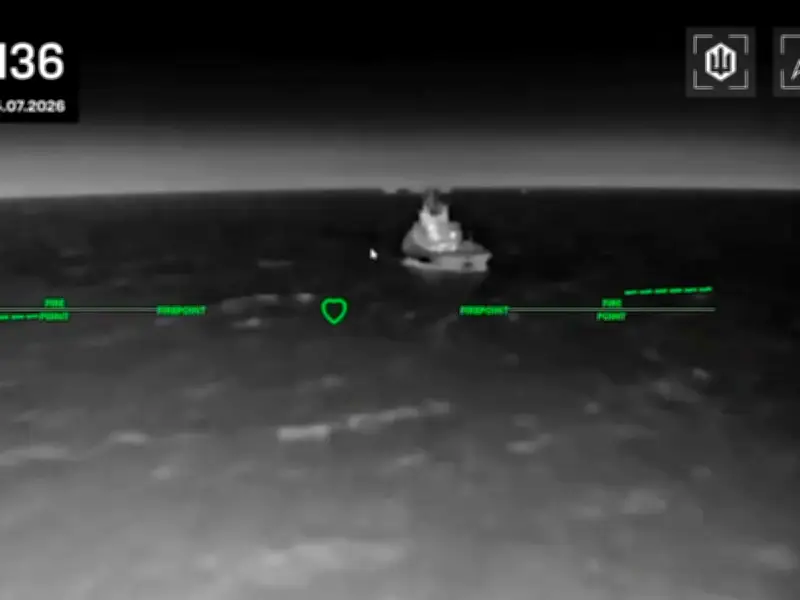
Ukraine's elite drone teams have struck more than 20 Russian vessels overnight, escalating a campaign that has now crippled over 100 crucial ships in just nine days. The attacks have paralyzed traffic through the Kerch Strait, a vital maritime artery linking Crimea to Russia, and dealt a severe blow to President Vladimir Putin's war chest.
Unprecedented Assault on Russian Fleet
According to Ukrainian officials, the overnight strikes targeted 17 oil tankers in the Black Sea, part of a broader effort to disrupt Russia's energy trade and cut off funding for its war effort. The total number of attacks on Moscow's fleet has reached 136 in nine days, leaving Kremlin chiefs furious and vowing retaliation. Ukrainian cities are now bracing for retaliatory missile and drone strikes.
The Kerch Strait, which separates Crimea's Kerch Peninsula from Russia's Taman Peninsula, has seen a dramatic drop in traffic due to the attacks. This has forced Moscow to seek alternative trading routes and isolated the occupied Crimean peninsula, a key logistical hub for Russian forces in southern Ukraine.
Strategic Impact on War Effort
The campaign is designed to restrict fuel deliveries to Russian forces and occupied Crimea, while alternative land routes remain exposed to Ukrainian strikes. A security source told the Daily Mirror: "The attacks on oil and gas distribution on land and trading vessels at sea has had a multi-faceted effect on Putin’s war effort. Practically it reduces revenue, whilst driving up cost and risk whilst at the same time spreading the message throughout Russia that this war is costing ordinary people."
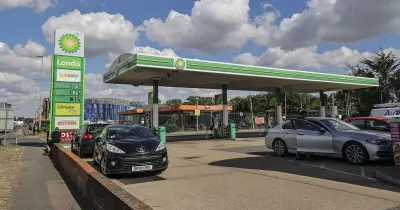
Within Russia, the attacks have sparked fuel shortages, with long queues at petrol stations and rationing leading to mini-riots and brawls among frustrated drivers. The source added: "Plus by isolating Crimea and making it a much less viable route into Ukraine for supply trucks this is severely hampering Russian forces in terms of not getting supplies quickly. Kyiv is cutting off the fuel for Putin’s war machine and it will be having a devastating effect on the morale of his troops, which was already at an all-time low."
Retaliation and International Reactions
Russian Foreign Minister Sergei Lavrov condemned the Ukrainian assaults as "acts of terrorism," despite Moscow's own repeated attacks on Ukrainian civilians. President Putin has warned that Russia would respond with retaliatory strikes "several times more powerful." Meanwhile, at least three people were killed and seven wounded by Russian guided aerial bombs in Ukraine's northern Sumy region.
Ukraine's strategy of targeting vessels without totally destroying them forces Russian crews to undertake costly repairs and drives up insurance costs, further straining the Kremlin's resources. The campaign has also forced Russia to divert defenses away from the front line to protect critical maritime assets.