MH370 Witness Claims He Saw Plane Ablaze, Says His Account Was Ignored
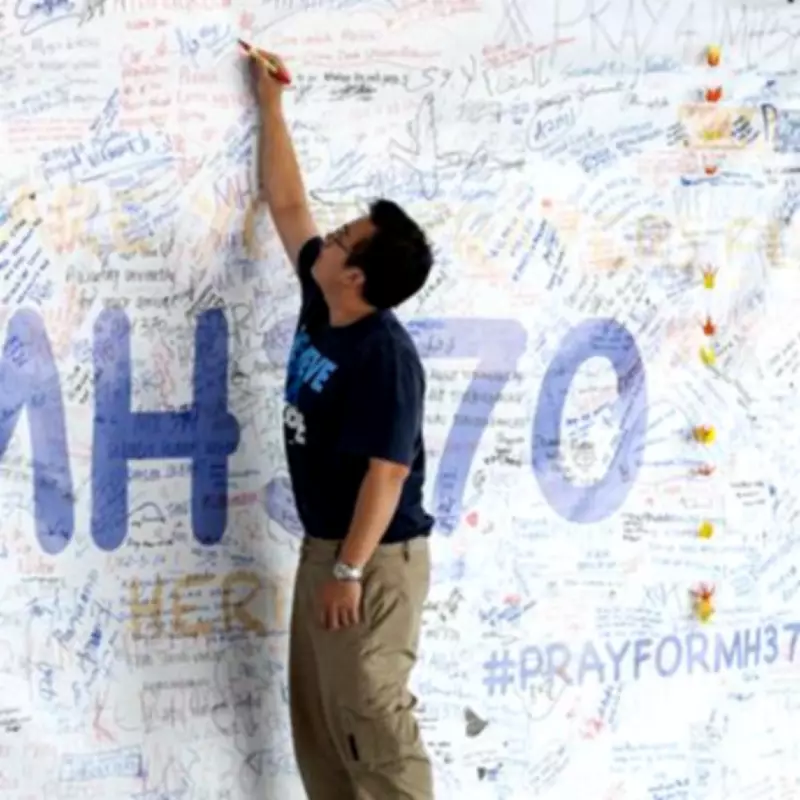
An oil rig worker who reported seeing Malaysia Airlines Flight 370 on fire in the sky a decade ago says he has been largely forgotten by investigators, despite his detailed observations from that fateful night.
Mike McKay, 57, a New Zealand national working on the Songa Mercur oil rig off the coast of Vietnam, lost his job after sending an email to his superiors describing what he believed was the missing Boeing 777. The aircraft vanished on March 8, 2014, while en route from Kuala Lumpur to Beijing with 239 people on board, sparking one of aviation's greatest unsolved mysteries.
The Fateful Observation
According to reports from CNN and the Mirror, McKay was taking a cigarette break on the rig when he spotted an aircraft burning at high altitude. He immediately documented the sighting in an email, writing: "Gentlemen. I believe I saw the Malaysian Airlines flight come down. The timing is right."

In the message, he noted the plane appeared intact and the flames lasted only 10-15 seconds. He provided a precise compass bearing of 265 to 275 degrees from the rig's location, positioning the event perpendicular or south-west of the normal flight path at a lower altitude. McKay attempted to contact Malaysian and Vietnamese officials but was uncertain if his alerts were received.
Leaked Email and Consequences
The confidential email was leaked to the media, exposing McKay's identity and workplace. He reflected: "Of course, I ended up looking like a fool. But what happened to me is of no consequence considering those who lost family on the flight. I sent an observation hoping it would help find the loved ones of the families."
Despite his efforts, McKay acknowledged that the distances from the last known position make his observation unlikely under accepted flight path theories. He raised critical questions about the investigation, including why primary radar data took six days to be released and how the plane could have returned across the Malay Peninsula unnoticed.
Search Efforts and New Theories
Following McKay's alert, Vietnamese authorities scrambled aircraft to search the South China Sea. However, the focus later shifted away from that area. Recent search operations, including one by marine robotics company Ocean Infinity, have faced interruptions, with Malaysia's Transport Minister citing seasonal issues.
Meanwhile, Ismail Hammad, Chief Engineer at Egyptair, has proposed a new theory that could save "money and time" in locating MH370. He doubts photographs of alleged wreckage, arguing the paint condition is inconsistent with long-term saltwater exposure. This adds to the ongoing debate about the plane's final resting place, with McKay suggesting the break-up might have occurred in the South China Sea or near Sumatra, rather than off Australia's west coast.
The search for MH370 resumed at the end of last year, but McKay's account remains a poignant reminder of the many unanswered questions surrounding this tragic aviation enigma.