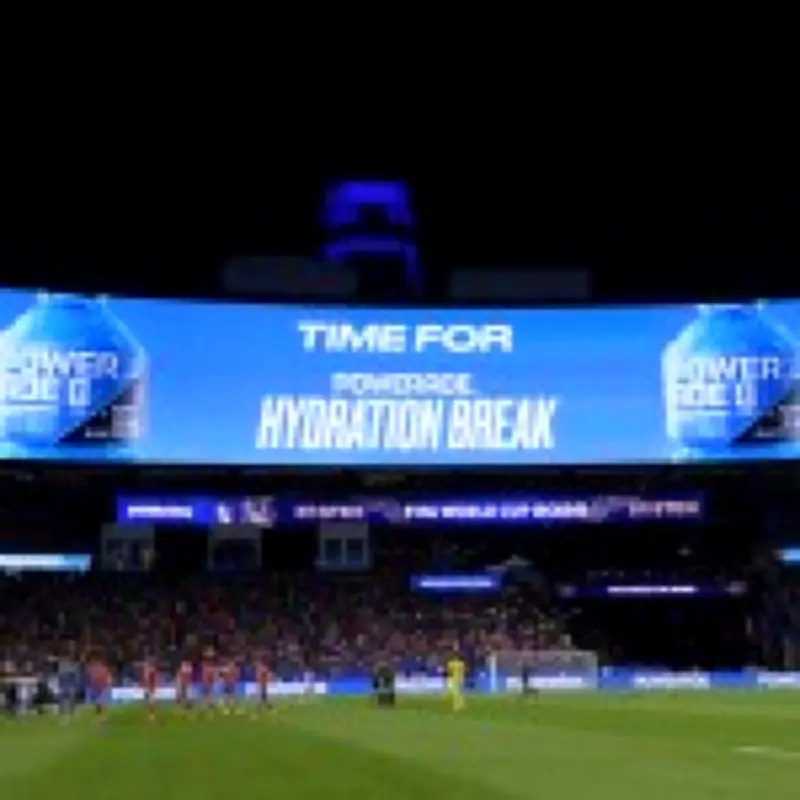
FIFA's introduction of mandatory hydration breaks at the 2026 World Cup has sparked controversy, with fans regularly booing the pauses and critics arguing the change disrupts the natural flow of matches. The breaks, which occur twice per game regardless of climate conditions, have subdivided matches into quarters for the first time in history.
FIFA defends breaks as improving intensity
Two weeks into the tournament, FIFA issued a statement praising the innovation, claiming the breaks may have contributed to 'unprecedented levels of intensity.' President Gianni Infantino elaborated: 'Until the last seconds of the match, players attack… maybe it’s also thanks to this little break that the players have.' He added, 'Having a moment to rest is extremely important.'
The breaks are sponsored by Powerade, though Infantino insisted they provide no commercial opportunities for FIFA. However, his comments have raised concerns that the breaks could become permanent.
Historical shift from 162-year tradition
Football has been played in two halves of 45 minutes since the rules were standardised in 1863. France coach Didier Deschamps confirmed the change: 'It’s not two half-times, it is four quarter-times basically that we’ve got.' The breaks occur independently of weather, leading to delays even in cooler conditions, such as England's match against Ghana played in rain.
Critics cite lack of consultation and analysis
Critics argue the structural change was forced through by FIFA without consultation or analysis of its impact on the game's flow. Unlike the back-pass law introduced in 1992, which solved a clear problem of time-wasting and was developed through committees and trials, the hydration breaks address no identifiable issue with football as a spectacle.
Uruguay coach Marcelo Bielsa, regarded as one of the sport's greatest thinkers, said: 'It adds nothing and takes away a lot. When [the game] was divided into four, no thought was given to the effect it might have on what made football a sport that captivates people but rather to another type of repercussion that I neither discuss nor analyse.'
Potential impact on match results
The breaks may have artificially altered results, such as Brazil's equaliser against Morocco after a poor start left them 1-0 down. Critics also note the change was applied by stealth, with no reference to the positive attributes of the game's traditional structure.
While some acknowledge that additional rest could benefit players, especially as global warming leads to more punishing conditions, the unilateral imposition of the change has been widely condemned. As one columnist put it: 'Even if this were to lead to wonderful improvements, the cynicism of the approach makes it absolutely the wrong call.'