The International Air Transport Association (IATA) has proposed new guidelines that would allow airline passengers to film emergencies and ease restrictions on carry-on baggage. The recommendations, announced at the IATA Annual General Meeting in Istanbul, aim to modernize safety protocols and improve the passenger experience.
Filming Emergencies
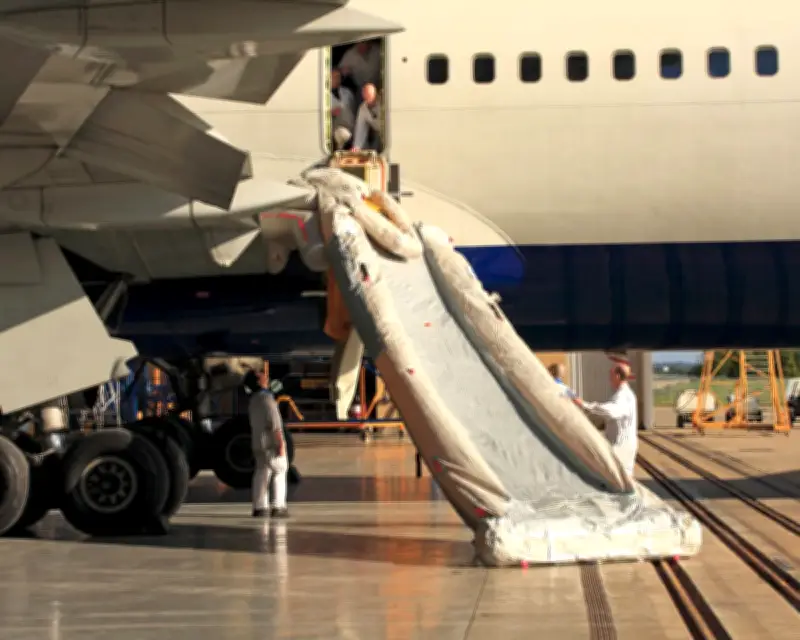
Under the proposed rules, passengers would be permitted to use smartphones and other recording devices to document emergency situations, such as evacuations or medical incidents. This marks a significant shift from current policies, which often prohibit photography or video during emergencies due to privacy and security concerns. IATA argues that allowing filming could provide valuable evidence for investigations and help passengers stay informed during crises.
Enhanced Safety and Transparency
Willie Walsh, IATA's Director General, stated that the move is about enhancing safety and transparency. "In an age where everyone carries a camera, it makes sense to use this technology to improve safety outcomes," he said. The guidelines would also require airlines to establish clear protocols for sharing footage with authorities while protecting passenger privacy.
Carry-On Baggage Changes
In addition to filming rules, IATA proposes standardizing carry-on baggage dimensions across airlines. The recommended size would be 55 x 35 x 20 cm, slightly larger than many current limits. This change aims to reduce confusion and ensure that passengers can use the same bag for different airlines. Airlines would also be encouraged to relax weight restrictions for carry-ons, focusing instead on size compliance.
Impact on Passengers
The proposed changes could lead to fewer disputes at boarding gates and faster boarding processes. Passengers would benefit from clearer rules and more flexibility, while airlines could reduce delays caused by baggage issues. However, some carriers may resist the changes due to space constraints on smaller aircraft.
Industry Reaction
The proposals have received mixed reactions. Passenger advocacy groups welcome the increased transparency and standardization, but some security experts express concerns about potential distractions during emergencies. Airlines will now consider the guidelines, with implementation expected over the next two years. IATA emphasizes that safety remains the top priority and that the changes are designed to complement existing procedures.