Telenor Accused of Aiding Myanmar Junta by Sharing Activist Data in Lawsuit
Telenor Accused of Aiding Myanmar Junta with Activist Data

Telenor Faces Lawsuit Over Alleged Complicity in Myanmar Regime's Crackdown

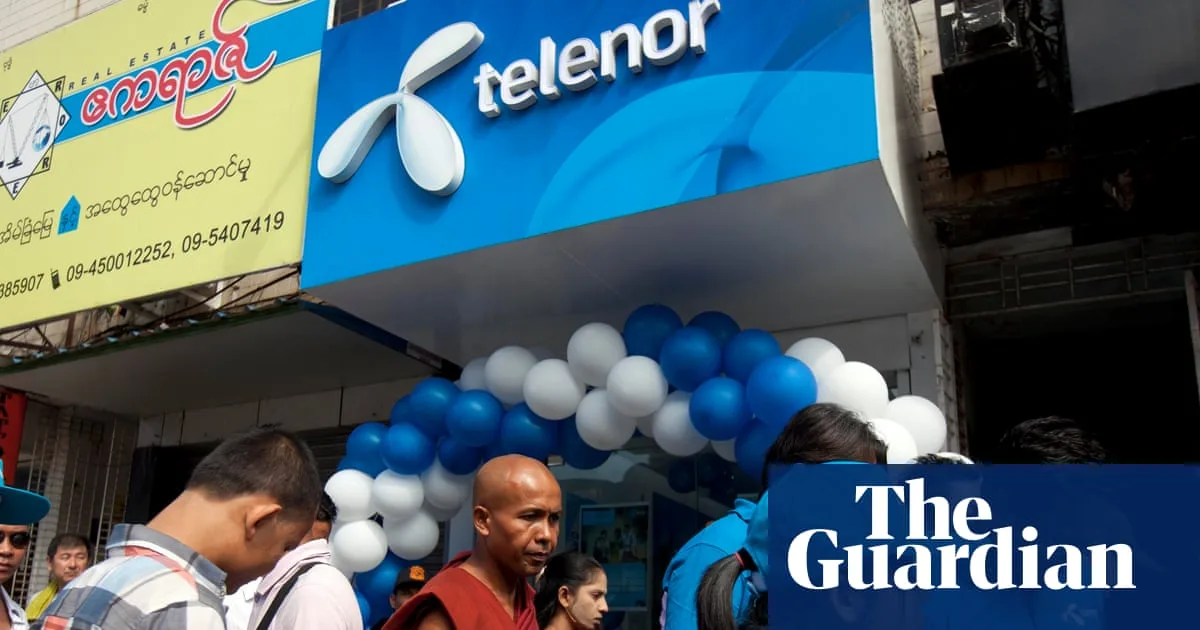
In 2014, Burmese customers queued eagerly outside showrooms to purchase sim cards, a scene captured shortly after Telenor, Norway's state-owned telecoms giant, entered Myanmar during its democratic transition. The company promised to connect isolated users to the world, but a new class-action lawsuit now accuses it of betraying that trust by allegedly aiding the military regime in seizing activists.

Allegations of Data Sharing with Myanmar Military

The lawsuit, filed in Norway, contends that Telenor passed on data for more than 1,200 customers, including addresses and last-known locations, to the Myanmar junta. This information reportedly facilitated the arrest of dissidents, some of whom were subsequently tortured or executed. Activists like Aung Thu, who was jailed in September 2021 for his role in the "spring revolution" against the February 2021 coup, believe Telenor played a direct role in their persecution.

Aung Thu recounted to the Guardian how his military interrogators, after failing to extract information through torture, turned to Telenor for his data. He was released in an October prisoner amnesty only to be re-arrested at the prison gates under counter-terrorism laws, an event he links to the release of his data by Telenor in late September. The company's internal assessments allegedly acknowledged that such orders could lead to arrests.

Wide Pickt banner — collaborative shopping lists app for Telegram, phone mockup with grocery list

Legal Action and Broader Implications

The Justice and Accountability Initiative (JAI), supported by the Centre for Research on Multinational Corporations (Somo) and the Open Society Justice Initiative (OSJI), launched the class-action case on 8 April. It seeks a minimum of €11 million in compensation for the 1,253 affected customers, unless they opt out. Telenor, which had 18 million customers before exiting Myanmar in 2022, is accused of breaching the trust it built through advertisements emphasizing connection and safety.

Joseph Wilde-Ramsing, Somo's advocacy director, stated, "Telenor went into the country saying you should trust us – they did that and that trust was breached, and they've faced severe consequences." The lawsuit highlights cases like that of Phyo Zeya Thaw, a former MP executed by the military, whose wife, Tha Zin, is a complainant, alleging his arrest occurred weeks after Telenor shared his data.

Telenor's Response and Transparency Reports

Telenor's transparency reports reveal it complied with 96% of the 153 data requests from Myanmar authorities. The company asserts it shared only historical metadata, not call or message content, citing legal obligations and employee safety concerns. A spokesperson explained, "Our employees were working under extremely difficult and uncertain conditions, with direct pressure from the authorities and a highly volatile security situation."

However, digital rights activists accuse Myanmar of imposing a "digital iron curtain" through such orders, which blocked social media platforms and targeted dissidents. Nini Sandborg, a human rights lawyer, criticized Telenor for sending "every little detail" of user data, enabling the junta to detain activists swiftly.

Norwegian Government's Role and Calls for Accountability

In Norway, a parliamentary inquiry is expected later this year into the government's potential complicity, given its 27 meetings with Telenor officials post-coup. The government maintains that operational decisions rest with Telenor's board, which should respect human rights. Per Willy Amundsen, a Progress party politician, expressed concern over the damage to Norway's self-image as a human rights defender, urging transparency to prevent recurrence.

This case underscores the ethical dilemmas faced by multinational corporations in authoritarian regimes, raising questions about corporate responsibility and the protection of digital rights in conflict zones.

Pickt after-article banner — collaborative shopping lists app with family illustration