Elderly Japanese Embrace Smartphones as Telecoms Phase Out Older Networks
In Japan, a significant digital transition is underway as telecom companies cease support for older mobile phones, pushing elderly individuals to confront the complexities of smartphones. This shift aims to prevent what is termed 'analogue isolation,' where seniors risk being left behind in an increasingly connected world.
Navigating the Smartphone Learning Curve
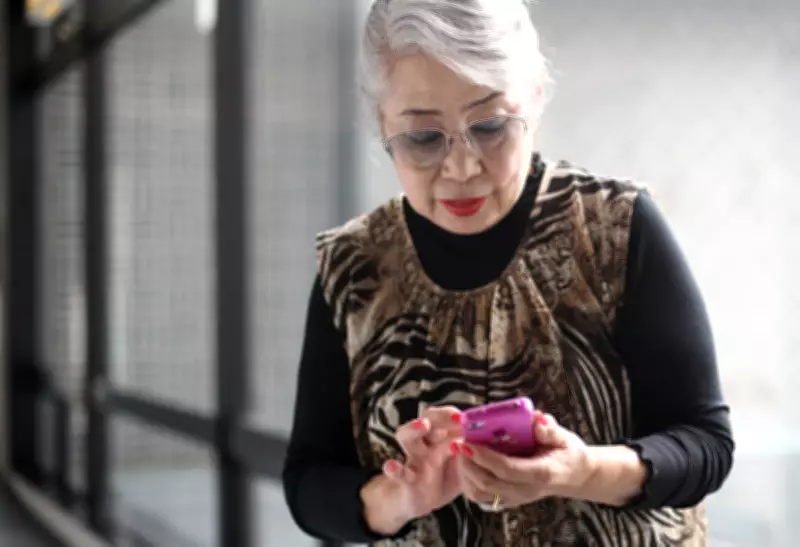
At a public facility in Nerima, Tokyo, a group of elderly residents, mostly in their 70s, gather for a beginner's smartphone class. Led by Yasushi Nishioka, a retired IT programmer, the session addresses common fears and questions. Participants express concerns such as, "How do I know if I've definitely ended a call?" and feeling overwhelmed by apps. Nishioka emphasizes patience and practice, encouraging them to hold their devices and gradually become accustomed to the technology.
The class covers basics like turning phones on and off, adjusting volume, and using gestures like scrolling and pinching. It also delves into more advanced topics such as cashless payments, QR codes, health trackers, and weather forecasts. Nishioka notes that focusing solely on administrative tasks can make smartphones boring, promising future lessons on entertainment and social media.

Telecom Network Shutdowns Drive Change
The urgency for this adaptation stems from Japan's telecom companies shutting down older networks. The 2G service was fully discontinued by 2012, and by 2022, carriers like au and SoftBank had ended 3G support. In March, NTT Docomo became the last to pull the plug on 3G, citing energy efficiency reasons. This move affects an estimated half a million people and over 400 phone models, along with devices like car navigation systems and vending machines that rely on 3G.
While some flip phones remain compatible with 4G, users must switch to smartphones to retain voice-call and email functions, or risk contract cancellations. Japan's once-ubiquitous garakei phones, unique to the domestic market, have become obsolete in this new era dominated by 4G and 5G networks.
Security Concerns and Personal Stories
Security is a major worry for the elderly, who are often targets of online scams. Nishioka advises ignoring suspicious messages and shares apps to filter out dubious contacts. Participants like Hiroko Kanda describe initial confusion with smartphone icons, while another anonymous attendee reluctantly switched three months ago, still using her flip phone alongside her new iPhone for its weather and travel planner apps.
Reasons for embracing smartphones mirror those of younger generations, including booking tickets, joining WhatsApp groups, learning languages, and planning trips. However, a universal challenge highlighted by Nishioka is managing passwords, a frustration shared across all age groups.
This initiative reflects a broader effort to integrate elderly Japanese into the digital age, ensuring they stay connected and avoid isolation as technology evolves.