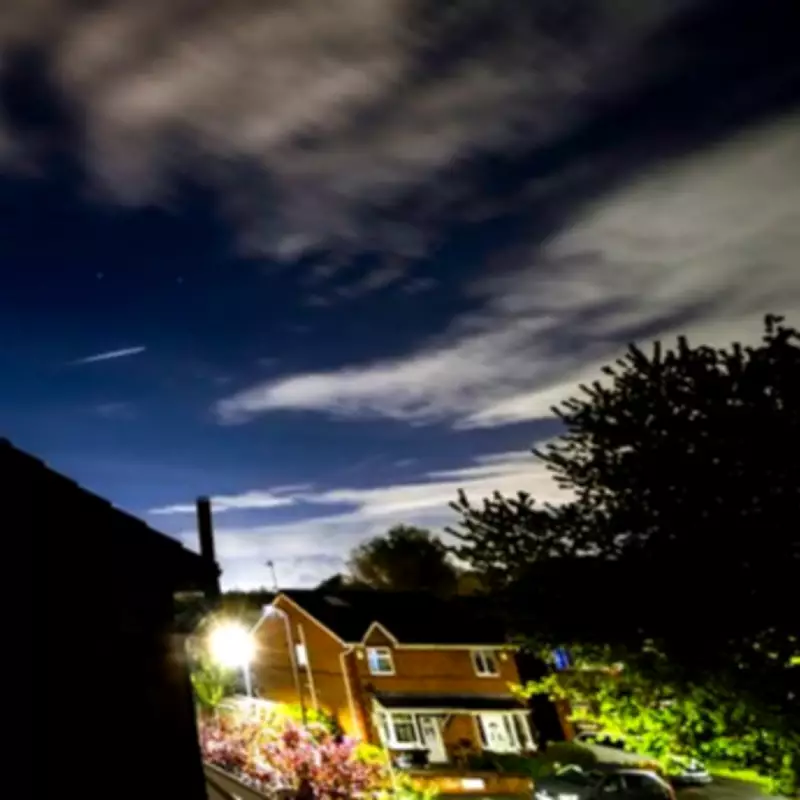
Lyrid Meteor Shower Peaks This Week: Best Viewing Times and Locations
The Lyrid meteor shower is currently illuminating the night sky, with its peak expected in just a few days. This celestial event promises a spectacular display of up to 20 shooting stars per hour, providing a treat for keen stargazers across the UK and the Northern Hemisphere.
When to Watch the Lyrid Meteor Shower
According to the Royal Observatory's calendar, the Lyrids are active from April 16 to 25, with the peak occurring on the night of April 22 into the early morning of April 23. This year's viewing conditions are particularly favourable due to a dim crescent moon, which results in darker skies and enhanced visibility of the meteors.
The constellation Lyra, from which the shower radiates, rises in the north-east and ascends higher as the night progresses. To locate it, look for Vega, one of the brightest stars in the current night sky. Vega becomes visible above the north-eastern horizon shortly after sunset and climbs throughout the night. Stargazing apps can assist in pinpointing this constellation accurately.

How Many Meteors to Expect
Under ideal conditions, observers can anticipate 15 to 20 meteors per hour, as reported by NASA and Space.com. The Lyrids are renowned for producing fast, bright streaks that may occasionally leave glowing dust trails in their wake. While the shower is visible worldwide, the best views are in the Northern Hemisphere, making the UK a prime location if weather conditions remain clear.
What Causes the Lyrid Meteor Shower?
Meteor showers occur when Earth passes through debris trails left by comets. As these tiny fragments enter our atmosphere, they burn up, creating the fiery streaks commonly known as shooting stars. The Lyrids originate from debris shed by Comet Thatcher, an icy comet that orbits the sun only once every 415 years. Although the comet itself is rarely seen, Earth traverses its dusty trail annually in April.
Notably, the Lyrids hold historical significance as one of the oldest recorded meteor showers, with documented sightings spanning over 2,500 years.
Tips for Optimal Viewing
To maximise your chances of witnessing this astronomical event, follow these practical guidelines:
- Avoid Direct Gazing: Do not stare directly at the radiant point in Lyra. Instead, look slightly away to spot longer and more dramatic meteor trails.
- Seek Darkness: Face the darkest part of the sky, away from streetlights and urban glow, to reduce light pollution.
- Choose an Open Location: Select a wide, unobstructed area such as a field, beach, or hilltop to gain a broader view of the sky.
- Allow Eye Adjustment: Let your eyes adapt to the darkness by waiting at least 20 to 30 minutes without using phones or other light sources.
- Exercise Patience: Get comfortable and be patient, as longer observation periods increase the likelihood of spotting more meteors.
If you miss this week's Lyrid display, the next major meteor shower will be the Eta Aquarids in early May, which result from debris left by Halley's comet, offering another opportunity for stargazing enthusiasts.