A portable ultrasound machine proved invaluable during a medical emergency on the International Space Station (ISS) that led to the early evacuation of four astronauts, NASA officials have said.
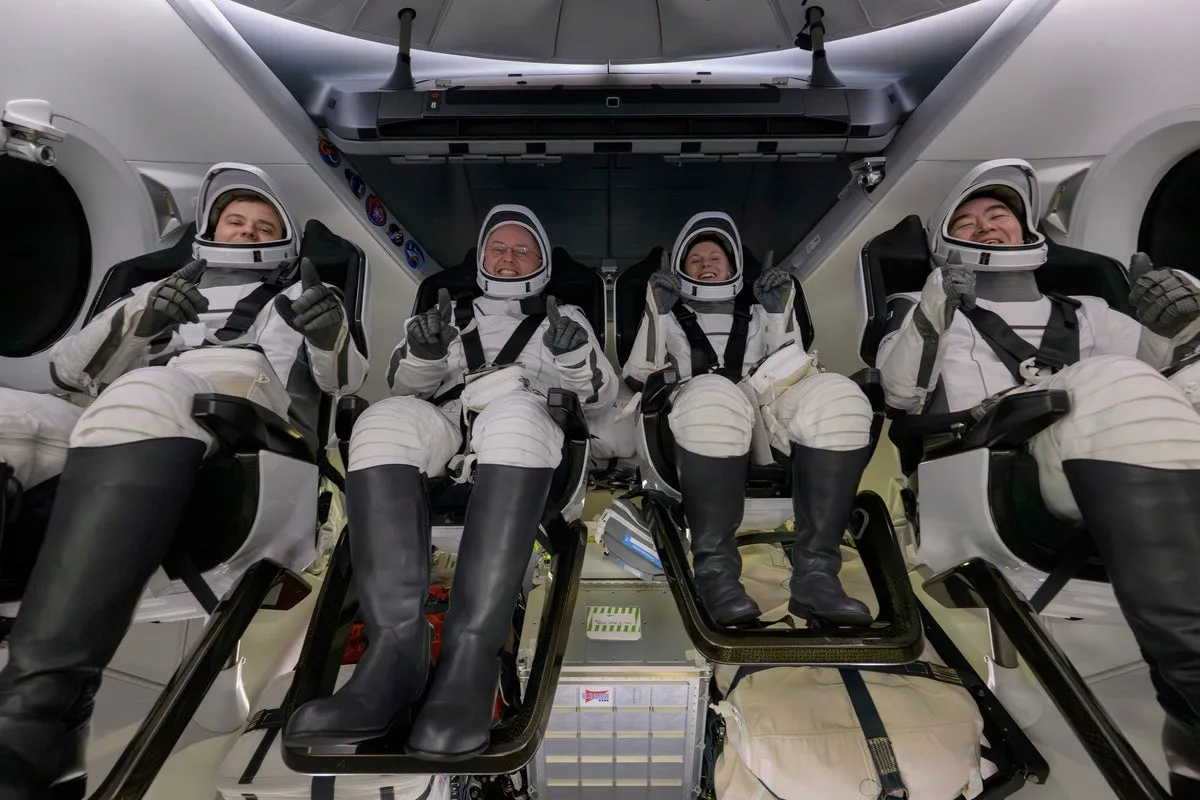
The astronauts, who returned to Earth last week, declined to specify which crew member required medical attention or the nature of the problem during their first public appearance since landing. The incident marked NASA's first medical evacuation in 65 years of human spaceflight.
NASA astronaut Mike Fincke revealed that the crew used the onboard ultrasound device after the medical issue arose on 7 January, the day before a planned spacewalk was cancelled. 'We used the ultrasound machine a lot for routine checks of our body changes in weightlessness, so when we had this emergency, the ultrasound machine came in super handy,' Fincke said.

Fincke recommended that such devices be included on all future spaceflights, adding, 'It really helped.' He noted that while the ISS lacks the large medical equipment available on Earth, the crew's preparation was crucial. 'Sometimes things happen and surprises happen, and the team was ready,' he said.
NASA's Zena Cardman, who commanded the crew's return flight with SpaceX, praised the decision to cancel the spacewalk and prioritise the crew's well-being. Japanese astronaut Kimiya Yui said the preflight training paid off, stating, 'We can handle any kind of difficult situation. This is very good experience for the future of human spaceflight.'
The crew, which also included Russia's Oleg Platonov, spent five and a half months in space, a month shorter than planned. They launched from Florida in August and splashed down off the San Diego coast. Their replacements are not due to launch until mid-February, though NASA and SpaceX are working to expedite the flight.