Pokémon's 30th Anniversary: A Deluge of Nostalgia Merchandise Sparks Debate
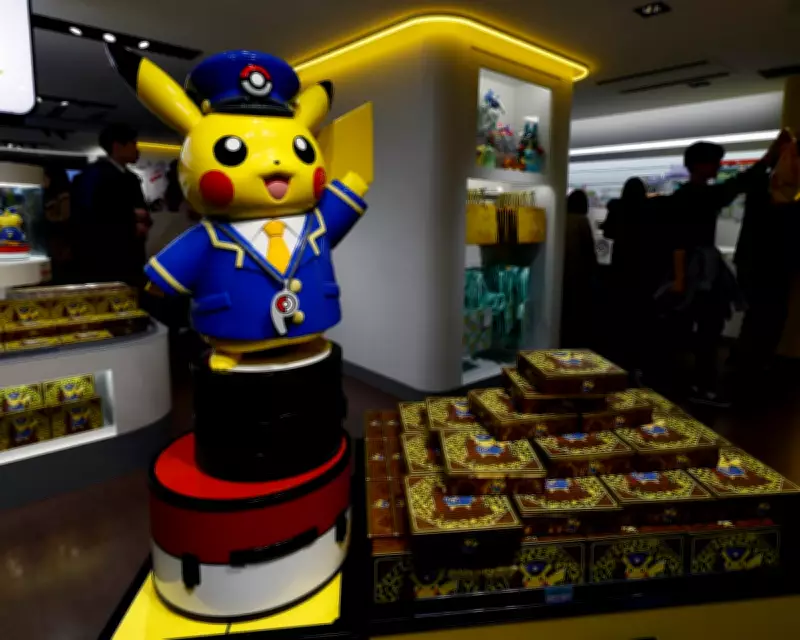
For the past few weeks, it has been nearly impossible to escape the pervasive influence of Pokémon, as the franchise marks its 30th anniversary with an unprecedented promotional nostalgia trip. The Pokémon Company has launched a month-long celebration, featuring campaigns where celebrities like Lady Gaga gushed about their favourite Pokémon, and rereleases of classic games such as Pokémon FireRed and LeafGreen on the Nintendo Switch. Additionally, the Natural History Museum in London has opened a special Pokémon pop-up shop, and a limited-edition greyscale Pikachu plush toy sold out in mere seconds, much to the disappointment of scalpers.
The Endless Stream of Pokémon Merchandise
This is just the beginning of the festivities. We have witnessed the opening of a Pokémon theme park in Tokyo, the announcement of a tiny Game Boy-shaped music player that plays the games' soundtrack, and a collaboration with high-fashion brand JimmyPaul, complete with its own runway show. The sheer volume of events and products has been overwhelming, targeting the first generation of Pokémon kids, now approaching their forties.
However, many fans, including long-time enthusiasts, have found themselves unmoved or even slightly annoyed by this deluge of nostalgia bait. Fundamentally, most of these celebrations revolve around expensive merchandise. For instance, a £579.99 Lego set featuring Charizard, Venusaur, and Blastoise prompts questions about affordability in the current economic climate. This reflects a broader trend where companies capitalise on nostalgia to sell products to adults with disposable income, similar to how Gen X friends were drawn into giant Star Wars Lego sets.

The Commodification of Childhood Memories
While no one is immune to nostalgia bait—evidenced by unnecessary video game merchandise like a Bulbasaur-themed blazer—there is a growing desire to resist this relentless commodification. An advert for the Pokémon Lego set depicts a bored, tired-looking elder millennial in a grey suit, glumly rifling through bills before donning a trainer's cap and joining friends outside, with the tagline: "Your time has come! And destiny doesn't care about lower back pain!" This transparent marketing tactic feels both patronising and humiliating, highlighting the exploitation of nostalgic sentiments.
Historically, "stuff" has been integral to Pokémania since the turn of the millennium, with cards, toys, and clothing accompanying the TV show and games. Pokémon Center shops have long fed a voracious appetite for merchandise, aligning with the games' core theme of acquisition: "gotta catch 'em all!" Yet, for many fans, Pokémon was never solely about collecting every creature; it was about forming attachments to specific Pokémon that became part of their team, fostering connections and empowering childhood experiences.
A Glimmer of Hope with New Games
Amidst this materialist month of celebrations, the announcement of new games, Pokémon Winds and Waves, brought a sense of relief and excitement. Set in an Indonesia-inspired region, the trailer evokes fresh air, sea breezes, and a holiday-world full of Pokémon and possibility. With creatures roaming open plains and swimming underwater, it reignites the sense of wonder that defined the original games. Sharing this with a Pokémon-obsessed son, who squeaked with delight at new starter Pokémon like a puppy, a serious-looking bird, and a yassified water gecko, reminded fans of the franchise's heart.
However, Winds and Waves are not set to release until 2027, marking an unprecedented five-year gap between mainline Pokémon games. Given that the last two games, Scarlet and Violet, launched in a problematic state, this delay suggests developers at Game Freak need more time to create something special. Perhaps the endless merchandise is funding this extended development period, allowing creators to focus on quality rather than rushing out new entries for profit maximisation. If so, fans might view the avalanche of Pokémon stuff more kindly, anticipating brilliant games for future generations.

Alternative Gaming Experiences
For those impatient for 2027, Pokémon Pokopia offers a sweet surprise. This spin-off collaboration between Game Freak and Koei Tecmo involves restoring a barren wasteland to beauty as an anthropomorphic transforming Ditto. Combining elements of Animal Crossing, Viva Piñata, and Dragon Quest Builders, it provides a novel expression of Pokémon's latent environmentalism, with an estimated playtime of over 30 hours on the Nintendo Switch.
In related gaming news, The Legend of Zelda recently celebrated its 40th anniversary, with articles exploring how it brought complex role-playing elements to the masses. Meanwhile, Wildlight Entertainment announced the shutdown of its hero shooter Highguard just two months after release, and reports suggest Sony rejected a Bloodborne remake pitch from Bluepoint Studios before its closure.
Reflections on Gaming Nostalgia
A question from a reader highlights a common dilemma: with a collection of classic games like Mass Effect, Dark Souls, and Skyrim, is there value in investing in new titles? For connoisseurs, the high quality bar and fear of disappointment can deter exploration. However, new games offer potential for fresh favourites, much like trying a new restaurant. Viewing newer games as excursions or holidays, rather than replacements, allows gamers to return to familiar "home" games while still experiencing innovation in the industry.
Ultimately, Pokémon's 30th anniversary has sparked a debate about the balance between nostalgia and commodification, reminding fans of the franchise's enduring appeal and the importance of preserving its heart amidst commercial ventures.