Parseword: Wordle Creator's New Cryptic Crossword Game Challenges Virality
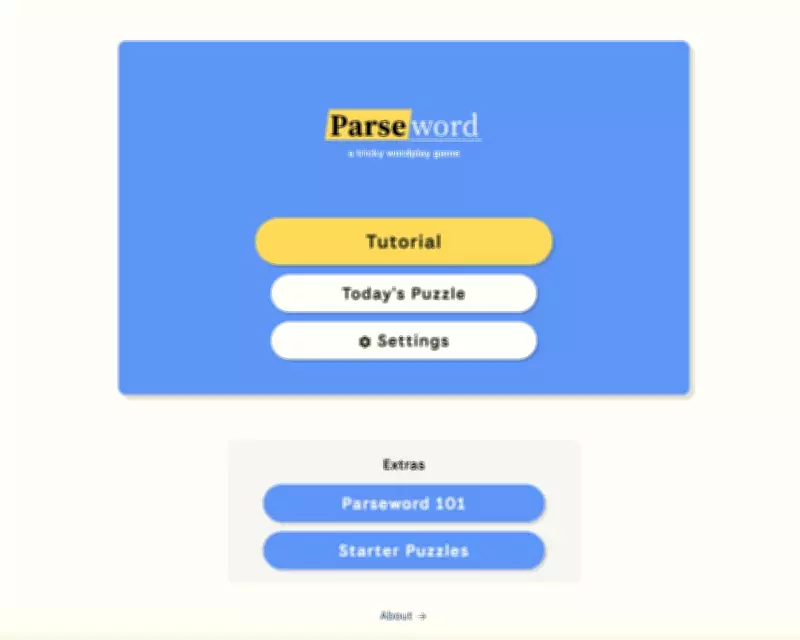
In 2021, Josh Wardle became an overnight sensation with Wordle, a simple word-guessing game that evolved into a global morning ritual, shared widely across social media and eventually sold to the New York Times for a seven-figure sum. Now, four years later, Wardle is back with a new digital offering: Parseword, a game that reimagines the cryptic crossword for the modern era.
A Digital Makeover for Cryptic Crosswords
Parseword is a digital adaptation of the cryptic crossword, a puzzle format long cherished by a dedicated niche but often perplexing to the broader public. Built on elements such as synonyms, reversals, homophones, letter deletions, and hidden fragments, it represents a significant departure from the straightforward mechanics of Wordle. Wardle explained his motivation, stating, "Cryptic crosswords have been around for a long time but they require an immense amount of work upfront before a new player can even begin to solve them." He sees this as a missed opportunity, adding, "I've found that behind this complex exterior is an incredibly beautiful puzzle format. I'd love for more people to be able to experience them, and I hope my new game is a gradual on-ramp."
Overcoming Barriers to Entry
However, the question remains whether Parseword can achieve the same viral success as Wordle. Critics have noted its challenging nature; Engadget described it as "a real chin-scratcher," highlighting the steep learning curve. Christian Donlan, features editor at Eurogamer.net, pointed out the instructional hurdles, referencing game designer George Fan's rule that players typically read only eight words of instructions. "Parseword not only has to explain the rich rules of Cryptics but also how it's reworking them," Donlan said, emphasizing the need for intuitive teaching methods.

Bridging Cultural Divides
Another potential obstacle is the cultural gap between American and British puzzle traditions. The United States has historically shown resistance to cryptic crosswords, making Parseword's reception there a key test. Donlan remarked, "I guess Parseword is trying to change that – so the really interesting question is what America makes of it." Chris Maslanka, a puzzle writer and broadcaster, echoed this sentiment, noting that virality depends on how naturally a game fits into digital environments. "Whether Parseword is a viral sensation depends on whether it further facilitates old features or adds new tweaks that makes it more infectious than the amazingly durable and well-tested crossword," he said.
Wardle's Perspective on Success
Despite these challenges, Wardle remains pragmatic about Parseword's prospects. He clarified, "In terms of virality, if my goal had been to make a game that competed with Wordle on that front, I wouldn't have made Parseword." He added, "However, that was never my goal – and, to be fair, it wasn't my goal with Wordle either. I simply think Cryptics are an amazing puzzle format and I'd love it if more people had the chance to experience them." This reflects a focus on accessibility and appreciation rather than mere popularity.
The Future of Puzzle Gaming
If Wordle demonstrated that a simple puzzle could captivate millions worldwide, Parseword poses a more complex question: is the internet ready for a more intellectually demanding challenge? By blending traditional cryptic elements with digital innovation, Wardle aims to lower barriers and foster a broader appreciation for this intricate puzzle style. Whether it becomes a viral hit or remains a niche favorite, Parseword represents a bold step in the evolution of online gaming, inviting players to engage with deeper, more rewarding brainteasers.