Indie Developer Rejects Microsoft Funding Over Gaza War Stance
Indie Developer Returns Microsoft Money Over Gaza War

Indie Studio Takes Stand Against Microsoft Over Gaza Conflict

In a bold move that defies industry norms, the indie developer Speculative Agency has returned funding from tech giant Microsoft. This action is part of a growing protest against Microsoft's alleged complicity in Israel's military operations in Gaza, which have been labeled as genocide by a United Nations commission.

The Funding Crisis and an Unusual Refusal

Video games are currently facing a severe funding crisis, with investor capital drying up post-pandemic. For independent developers, securing financial backing has become increasingly challenging. Against this backdrop, the decision by Speculative Agency to reject Microsoft's money is particularly striking.

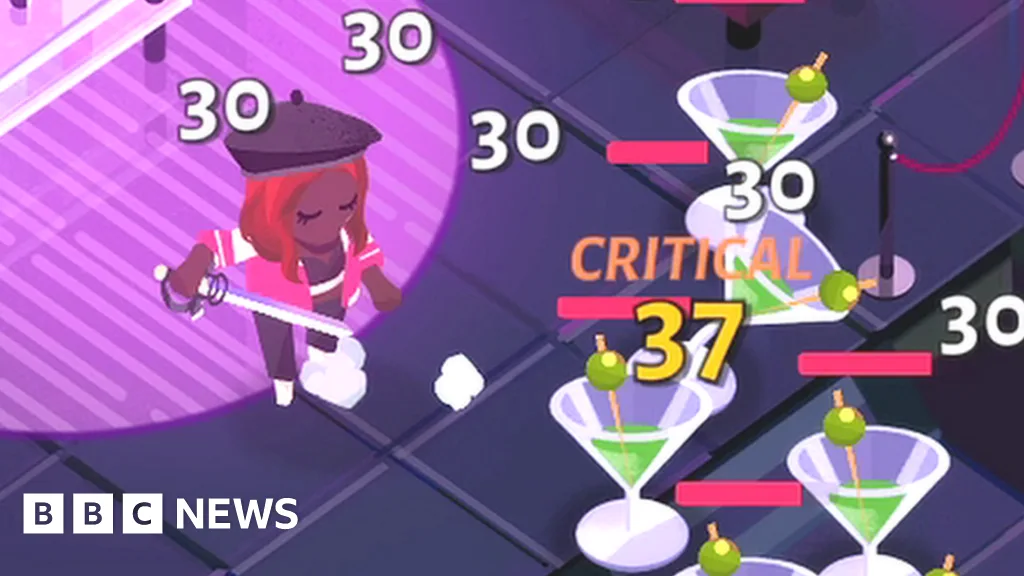
The studio received the funds through Microsoft's developer acceleration programme for their upcoming deck-building game, All Will Rise. The game centers on activists battling oligarchs in a dystopian city, themes that resonate with the developers' real-world ethical stance.

Wide Pickt banner — collaborative shopping lists app for Telegram, phone mockup with grocery list

Joining the No Games for Genocide Movement

In late 2025, Speculative Agency aligned with the No Games for Genocide collective. This group, formed in response to the Israeli assault on Gaza, includes developers, journalists, and union organisers. They advocate for boycotting companies with ties to what they describe as genocide, war crimes, and the military-industrial complex.

No Games for Genocide specifically targets Microsoft due to its connections with the Israeli Defence Force (IDF). Reports indicate that Microsoft's Azure cloud service was used for mass surveillance of Palestinian civilians, though access was later terminated. Despite this, the IDF remains a client, utilizing other Microsoft services.

Developer's Motivation and Industry Response

Meghna Jayanth, narrative designer for All Will Rise, explained the decision: "This felt right to us – our game is about empowering people to act against cynicism. It wasn't easy, but living with powerlessness is worse. We know our action alone won't change much, but if enough studios join, we can pressure Microsoft to end its complicity."

The gaming community has shown strong anti-war sentiment, raising over $1 million for Palestinian aid through charity bundles and streams. However, major companies have largely remained silent, with employees fearing repercussions for speaking out.

Campaign Growth and Future Targets

A No Games for Genocide spokesperson revealed that nearly 2,800 individuals have signed their pledge, including nine organisations. Three studios have committed to refusing or returning Microsoft funding. The campaign aims to expand beyond Microsoft, targeting other companies on the BDS list, such as Intel and Amazon, and addressing broader military ties in gaming.

Jayanth noted positive responses from developers and gamers, praising media coverage for its clarity on the issue. The movement emphasizes collective action, stating: "None of us can do it alone, but all of us can do it together."

Broader Context and Industry Challenges

The entertainment industry is deeply entangled with corporate and governmental influences. For instance, EA is set to be owned by Saudi Arabia's sovereign wealth fund and a private equity firm linked to Jared Kushner. Microsoft's acquisitions have given it control over a significant portion of the Western games market, including titles like Minecraft and Call of Duty.

No Games for Genocide argues that taking a stand, however small, is preferable to inaction. They hope to empower others in the industry to follow suit, fostering a sense of hope and solidarity.

Additional Gaming News Highlights

In other gaming news, the puzzle game Mythmatch has received acclaim for its charming design and engaging gameplay. Meanwhile, the Bafta Game awards nominations feature Clair Obscur: Expedition 33 with 12 nods, following its success in other major awards.

Controversies include Krafton's legal troubles over using ChatGPT for advice leading to a court order to reinstate ousted developers, and Nvidia facing criticism for an AI tool that alters character appearances, accused of racism.

Pickt after-article banner — collaborative shopping lists app with family illustration

For gamers seeking inclusive communities, options like the Battlefield Elders clan offer alternatives to toxic voice comms environments, though finding non-toxic spaces remains a challenge in online multiplayer games.