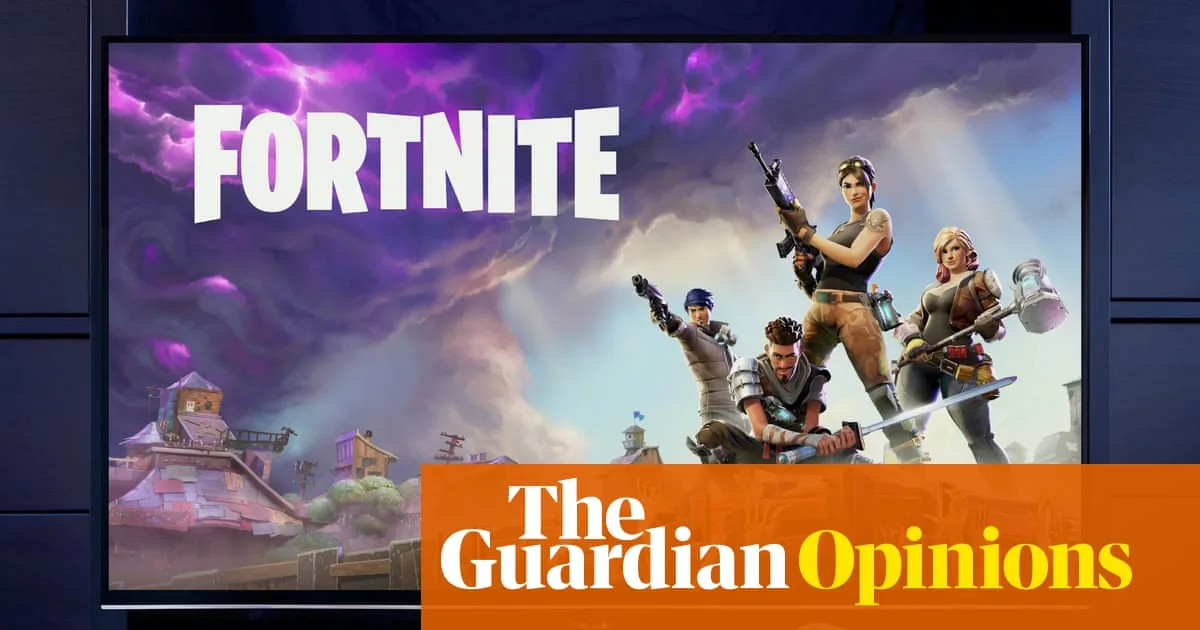
Epic Games Cuts Over 1,000 Jobs Amid Fortnite Revenue Decline
Epic Games Lays Off 1,000+ Staff Despite Billions in Revenue

Epic Games Announces Major Layoffs as Fortnite Revenue Declines

The video game industry is once again grappling with a wave of devastating job cuts, with Epic Games, the creator of the globally popular title Fortnite, at the centre of the latest upheaval. In a stark announcement this week, CEO Tim Sweeney revealed that more than 1,000 employees would be laid off, following the dismissal of 830 staff in September 2023. This move underscores a troubling trend where even the most successful developers are not immune to corporate restructuring and financial pressures.

Corporate Rhetoric and Financial Realities

In an online statement, Sweeney framed the layoffs as a necessary response to a downturn in Fortnite engagement that began in 2025, leading the company to spend more than it earns. He cited over $500 million in identified cost savings from areas such as contracting, marketing, and closing open roles, aiming to stabilise the company's finances. Sweeney also pointed to broader industry-wide challenges, including slower growth, weaker consumer spending, and tougher cost economics, as contributing factors.

Despite Fortnite generating approximately $4 billion in annual revenue and being the fourth most played PC game worldwide, Epic Games reported estimated revenues of $6 billion in 2025. However, the company's expenditures have outstripped its income, partly due to costly legal battles against tech giants Google and Apple. These legal actions represent a significant financial drain, yet the burden of these corporate decisions ultimately falls on the developers who face job losses.

Wide Pickt banner — collaborative shopping lists app for Telegram, phone mockup with grocery list

Industry-Wide Instability and Executive Mismanagement

The gaming sector is experiencing a period of intense volatility, with analysts highlighting complex market conditions that forecast further difficulties. Games are becoming increasingly expensive to produce, while growth stagnates and competition from social media and streaming platforms intensifies. Many companies over-hired during the COVID-19 pandemic, anticipating sustained sales booms that have since faded, leaving them with bloated workforces and unsustainable costs.

Executives continue to gamble on live service multiplayer games, investing hundreds of millions into titles that often fail to achieve instant success. Examples like Xdefiant, Highguard, and Concord, which lasted only weeks or months before being shut down, illustrate the high-risk strategies prevalent in the industry. If even a powerhouse like Fortnite struggles to remain profitable, it raises serious questions about the viability of the live service model that many publishers are aggressively pursuing.

Historical Patterns and Human Costs

Reflecting on three decades of covering the games industry, it is evident that cyclical trends and executive missteps have long plagued the sector. From the market crash of 1983 to the rise and fall of genres like guitar games and massively multiplayer online games, the pattern repeats: a few successes spawn a glut of imitators, audiences move on, and jobs disappear. Executives often escape unscathed, moving upward despite failures, while developers bear the brunt of these short-sighted bets.

The human impact of these layoffs is profound. Game studios are environments where talented individuals work gruelling hours, forming close-knit teams that resemble families. Among those affected by Epic Games' cuts are hundreds who dedicated their lives to this career, making personal sacrifices such as relocating or accruing substantial student debt. As Sweeney outlines plans for future Fortnite content and a new generation of Epic launches, the displaced employees face uncertain futures, highlighting the stark disconnect between corporate optimism and on-the-ground realities.

This situation serves as a sobering reminder that in an industry obsessed with growth at all costs, the true casualties are the creators who pour their passion into these games, only to be discarded when financial targets are not met.

Pickt after-article banner — collaborative shopping lists app with family illustration