Arc Raiders: The Video Game Where Players Choose Peace Over Conflict
Arc Raiders: Players Opt for Peace in Post-Apocalyptic Game

Arc Raiders: The Unlikely Social Experiment in a Post-Apocalyptic World

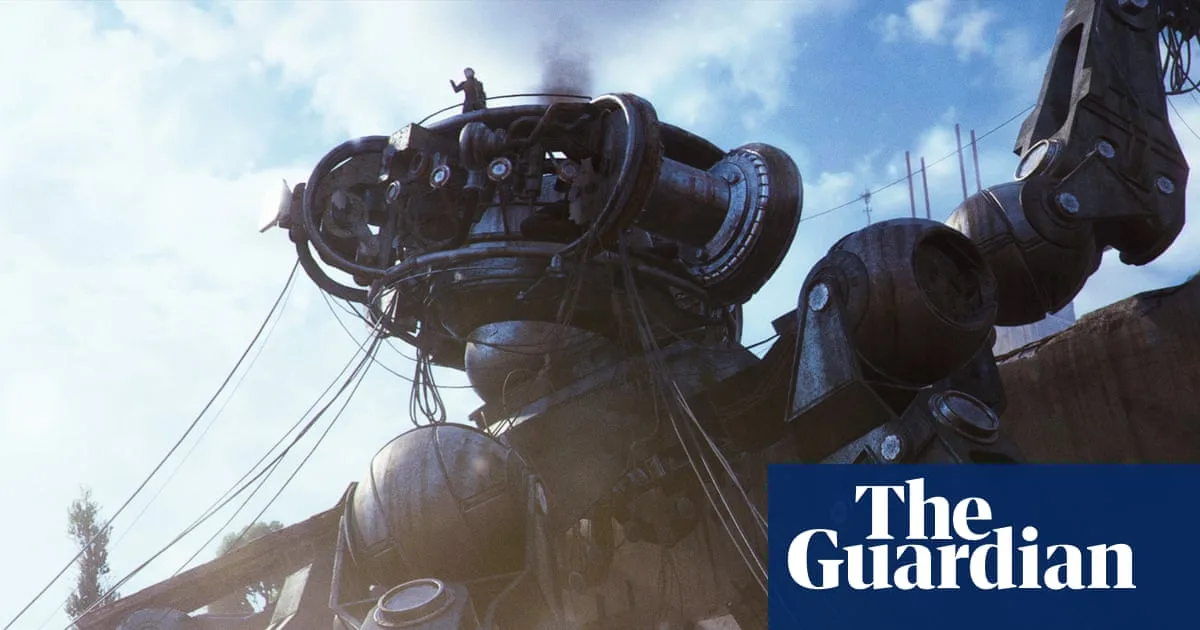
In the desolate, post-apocalyptic landscape of the video game Arc Raiders, survivors scavenge amidst the ruins of former cities, hunted by lethal AI machines known as Arcs. Released late last year and selling over 14 million copies, this extraction shooter pits players against both robotic threats and each other in a high-stakes environment where mercilessness is often rewarded. Yet, in a surprising twist, many players are defying expectations by opting for peace over conflict.

A Shift from Conflict to Connection

Developers at Embark Studios in Sweden have been taken aback by the game's evolution. "It caught us a little bit by surprise," admits executive producer Aleksander Grøndal, noting that a significant portion of players engage in "a more peaceful version of the game than we anticipated." Roughly one in five players have never attacked another raider, and half have knocked out fewer than ten, turning the game into an unintentional social and psychological experiment.

Unlike traditional shooters such as Fortnite or Counter-Strike, where player-versus-player combat is central, Arc Raiders has fostered an environment where cooperation thrives. Players team up to take down robotic monsters, sneak around to gather resources, and even hold spontaneous rave parties with music shared through microphones. This behavior has intrigued social scientists, psychologists, and criminologists, raising questions about human nature and game design.

Wide Pickt banner — collaborative shopping lists app for Telegram, phone mockup with grocery list

The Role of Proximity Chat and Shared Threats

A key factor in this cooperative dynamic is the game's proximity chat feature, which allows players to communicate with others nearby. Over 95% of players use this tool to shout "I'm friendly!" or "Peaceful!", facilitating spontaneous alliances. The introduction of a massive enemy called the Matriarch further catalyzed teamwork, with players quickly banding together to face the common threat, often within seconds.

Grøndal reflects on this phenomenon: "We always wanted cooperation to be possible, but it was surprising to see how many people latched onto that aspect. It kind of blew the whole extraction shooter open, because it doesn't always have to be about conflict with other players."

Player Motivations and Psychological Insights

Sean Hensley, a graphic artist and mental health advocate, observes that players in Arc Raiders often value "connection over competition." He suggests that friendly interactions provide more reward than traditional game loot or victory screens. Embark CEO Patrick Söderlund theorizes that this trend may stem from modern isolation, with players seeking virtual connections that are harder to find in real life.

"Maybe we have accidentally created a place for people to connect," Söderlund says, highlighting how temporary virtual interactions allow players to open up without fear of judgment. This aligns with player experiences, where brief encounters in the game's wilderness foster camaraderie and shared struggles, from family issues to health concerns.

Challenges for Developers and Future Implications

While cooperation is prevalent, it presents challenges for game balancing. Developers must adjust enemy difficulty to maintain engagement, as easy victories can reduce fun. Grøndal notes, "If it's so easy for people to stop turning on each other, we need to up the challenge." Despite this, the game's hopeful undertone—with nature thriving amidst ecological collapse—resonates with players, offering a counterpoint to its bleak setting.

Arc Raiders continues to evolve, blending elements of action, MMORPG, and social simulation. Its unexpected player behavior not only redefines the extraction shooter genre but also provides valuable insights into human psychology, making it a fascinating case study for both gamers and researchers alike.

Pickt after-article banner — collaborative shopping lists app with family illustration