Social Media Platforms Deemed 'Dangerous' for Teenagers in Landmark Global Report
Social Media 'Dangerous' for Teens, Major Report Warns

Social Media Platforms Pose Severe Risks to Adolescent Mental Health, New Global Analysis Concludes

A groundbreaking report published on Thursday has issued a stark warning that social media platforms are "not safe" for teenagers and are causing harm at a "massive scale." The World Happiness Report, which examines global data on happiness and social trends, presents what researchers describe as "overwhelming evidence" of direct and indirect harms associated with adolescent social media use.

Compelling Evidence Links Platform Design to Mental Health Decline

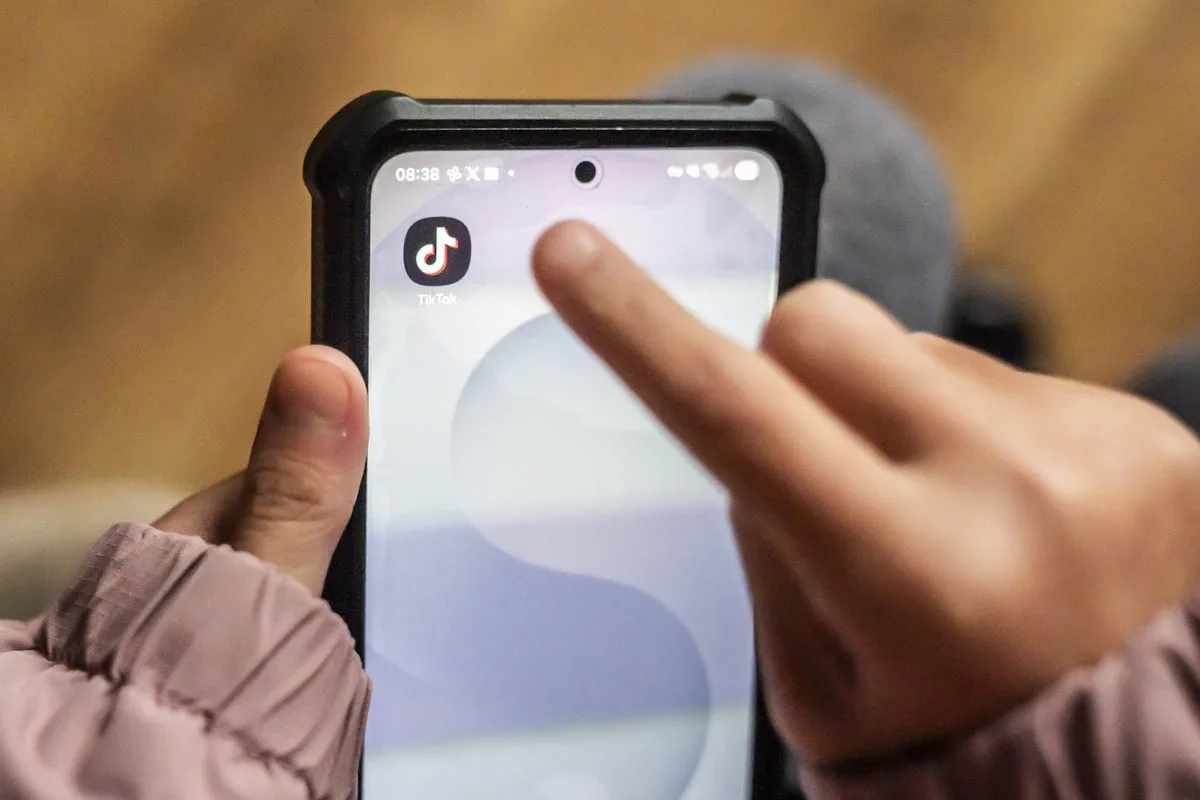
Academics from New York University (NYU) who contributed to the report analyzed data from seven different international studies using varied methodologies. Their paper, titled "Social media is harming adolescents at a scale large enough to cause changes at the population level," concludes that the current algorithmic design of major platforms—including Facebook, Instagram, Snapchat, TikTok, and X—makes them "dangerous consumer products."

The researchers found "compelling evidence of troubling indirect harms" such as depression and anxiety, alongside "severe and widespread direct harms" including sextortion and cyberbullying. They argue that the rapid adoption of social media by adolescents in the early 2010s substantially contributed to "population-level increases" in mental illness observed by the mid-2010s across many Western nations.

Wide Pickt banner — collaborative shopping lists app for Telegram, phone mockup with grocery list

Contrast with Previous Research and Platform Design Critiques

While previous studies have failed to establish a clear correlation between teenage social media use and rising mental health problems, this new analysis draws on a broader evidence base. This includes:

  • Anecdotal studies and data-driven research
  • Leaked internal reports from social media companies
  • Evidence that "addictive" app features disrupt sleep and mood in young people

The authors state: "Combining all seven lines of evidence reveals consistent and converging evidence that the major social media platforms, as they are currently designed and commonly used, are dangerous consumer products that harm adolescents at a massive scale."

Happiness Impact and Global Policy Context

A second paper within the report examines how platform design affects user happiness. Researchers found that social media emphasizing communication supports happiness better than those relying on algorithmic content delivery.

This publication arrives amid significant policy discussions worldwide. The UK government is currently considering a social media ban for under-16s, though MPs recently rejected a blanket ban in favor of granting ministers more flexible powers pending consultation outcomes. Meanwhile, Australia has already approved a social media ban for children under 16.

Legal Implications and Industry Response

The report's timing coincides with a landmark social media addiction trial in the United States, where jurors are deliberating verdicts. The plaintiff, identified as Kaley in court documents, claims her early social media use led to addiction and exacerbated depression and suicidal thoughts. This case serves as a bellwether trial that could influence thousands of similar lawsuits against social media companies.

Major platforms including Meta, Snapchat, TikTok, and X have been contacted for comment regarding the report's findings. The comprehensive analysis adds substantial weight to growing concerns about how social media platforms are designed and regulated, particularly regarding their impact on vulnerable adolescent users.

Pickt after-article banner — collaborative shopping lists app with family illustration