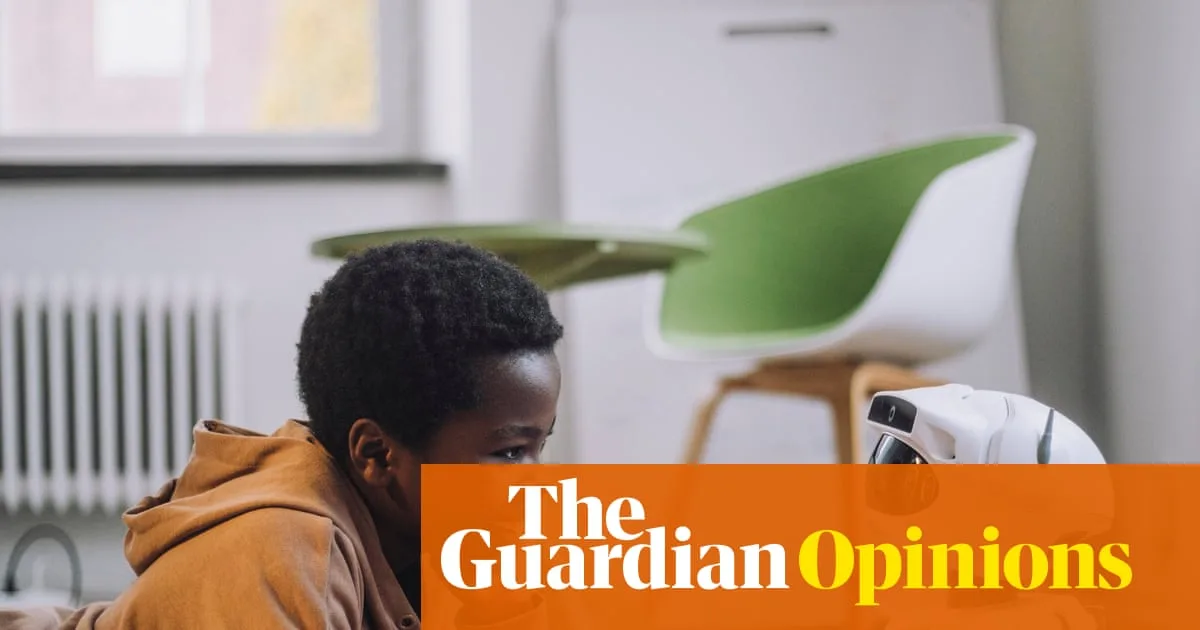
For A$30,000, you could have a remote employee see inside your home via a walking, talking machine with a chilling blank face. Count me out. NEO, the 'world's first consumer-ready humanoid robot designed to transform life at home', was introduced on daytime television with glee, but its creepy, soft grey body and blank face with puny camera eyes raise serious privacy concerns.
The privacy invasion required for such robots to function goes far beyond smart speakers or Roombas. Beyond sensors, cameras and pervasive data collection, NEO relies on 'expert mode' for tasks it cannot manage alone. That means a remote employee can see inside your home and control the robot through a VR headset. Creepy indeed.
This is not the first time the fantasy of automation has not matched reality. Tech companies often promote products as more intelligent than they are, relying on invisible human workers. Examples include 'self-driving' cars that depend on remote human operators, and the 18th-century Mechanical Turk, a chess-playing automaton that was actually a hoax with a human chessmaster inside. This is what Astra Taylor calls 'fauxtomation' and Jathan Sadowski calls 'Potemkin AI'.
Aside from surveillance and marketing hype, there is the question of what these robots are for. The promise of technology to alleviate housework is longstanding, but history shows otherwise. Helen Hester and Nick Srnicek highlight the Cowan Paradox: despite labour-saving devices like washing machines, the amount of housework has not decreased. These technologies shifted collectively shared work to individualised, undervalued labour, often performed by women, and raised expectations of cleanliness, creating more work.
With generative AI, we have seen that increased automation does not inherently lead to less work; instead, we get 'workslop' that creates more tasks. Given this history, skepticism towards robots pitched as minimising household chores is warranted. Social media is already full of videos of humanoid robots failing at simple tasks, from closing a dishwasher to waving and dancing for impressed bystanders.