Zuckerberg Faces Courtroom Grilling Over Meta's Youth Safety Record
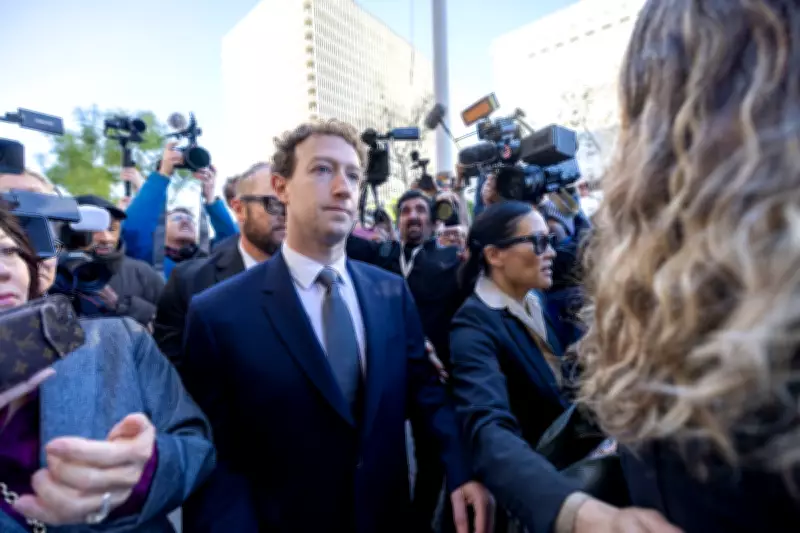
Meta CEO Mark Zuckerberg maintained his composure on the witness stand but delivered responses that critics described as lacking human connection during his first-ever court testimony about social media's alleged harms to young users. The high-stakes trial in Los Angeles Superior Court has been characterized as a potential "Big Tobacco" moment for the tech industry.
The Plaintiff's Allegations Against Meta Platforms
The case centers on a 20-year-old woman identified only as "KGM" in legal documents, who claims her mental health deteriorated due to extensive use of Meta-owned platforms beginning in childhood. According to her lawsuit, KGM started using YouTube at age six and Instagram at age nine, posting nearly 300 videos online before reaching high school.
Her legal team alleges that Meta's products fostered an addictive relationship, with KGM using them "24 hours a day" despite her mother's attempts to block access through third-party applications. The lawsuit further claims Meta connected the minor with predatory adults she wouldn't have encountered otherwise, leading to depression and self-harm incidents.

"In fact, it took KGM's friends and family spamming and asking other Instagram users to report the persons targeting minor KGM for a two-week period before Meta did anything about the abuses," the legal filing stated, alleging the company had full knowledge of violations.
Zuckerberg's Defensive Testimony
During questioning by plaintiff's attorney Mark Lanier, Zuckerberg pushed back strongly against allegations that Meta intentionally designs addictive products. "If you are trying to say my testimony was not accurate, I strongly disagree with that," the tech executive declared, seemingly contradicting prior congressional testimony about internal user engagement targets.
Zuckerberg admitted he struggled to present himself authentically, confessing he was "pretty bad" at appearing "human" and "relatable," often coming across as "fake" and "cheesy." He maintained that Meta doesn't permit users under 13 on its platforms, though acknowledging enforcement challenges.
"I generally think that there are a set of people, potentially a meaningful number of people, who lie about their age in order to use our services," Zuckerberg testified. "There's a separate and very important question about enforcement, and it's very difficult."
When asked by attorneys, "You expect a 9-year-old to read all of the fine print?" Zuckerberg offered no direct response to this pointed challenge about age verification policies.
Broader Implications for Social Media Industry
The KGM lawsuit represents a test case among more than 1,500 similar actions filed against social media companies. A victory for the plaintiff could establish precedent holding tech firms liable for designing products that allegedly hook young users and contribute to negative mental health outcomes.
Attorney Matt Bergman of the Social Media Victims Law Center, representing over 1,000 plaintiffs in proceedings against Meta, emphasized the trial's significance ahead of Zuckerberg's appearance. "For the first time, a Meta CEO will have to sit before a jury, under oath, and explain why the company released a product its own safety teams warned were addictive and harmful to children," Bergman stated.
He added that families "deserve the truth about what company executives knew" and "accountability from the people who chose growth and engagement over the safety of their children."
Contradictory Corporate Testimony
The trial has revealed internal disagreements within Meta about social media's effects. Just last week, Instagram head Adam Mosseri testified that he didn't believe people could become clinically "addicted" to social media platforms, despite the plaintiff's claims of compulsive use.
Meta's official response, delivered through a spokesperson to NBC News, suggested KGM "faced many significant, difficult challenges well before she ever used social media." Zuckerberg echoed this defensive position during testimony, arguing that sustainable community building, not maximizing screen time, drives his company's decisions.

"If you do something that's not good for people, maybe they'll spend more time [on the platform] short term, but if they're not happy with it, they're not going to use it over time," Zuckerberg contended. "I'm not trying to maximize the amount of time people spend every month."
Public Perception and Political Context
Zuckerberg's courtroom appearance occurs against a backdrop of declining public trust. A February 2025 Pew Research Center poll revealed two-thirds of Americans hold unfavorable views of the Meta CEO, with just two percent reporting "very favorable" feelings.
The tech mogul has also faced criticism for political associations, including a reported $1 million donation to former President Donald Trump's 2025 inauguration fund as Trump returned to office. This political alignment has further complicated public perception of Zuckerberg's leadership during a period of increased scrutiny over tech industry accountability.
As the landmark trial continues, the tech industry watches closely, aware that the outcome could reshape social media regulation and corporate responsibility standards for years to come.