Washington Intensifies Scrutiny of Prediction Markets Amid Controversy
Washington Steps Up Scrutiny of Prediction Markets

Washington Intensifies Scrutiny of Prediction Markets Amid Controversy

A significant controversy has erupted in Washington over prediction markets, such as Polymarket and Kalshi, with lawmakers stepping up scrutiny due to ethical and regulatory concerns. These online exchanges allow users to bet on outcomes ranging from sports events to geopolitical incidents, sparking debates about market integrity and potential insider trading.

Ethical Concerns Over Betting on Military Operations

As the United States prepared a daring mission to rescue an airman whose fighter jet was shot down by Iran, users on Polymarket, the world's largest prediction market, could place bets on when the rescue would occur. Representative Seth Moulton, a Democrat from Massachusetts and a former Marine who served four tours in Iraq, shared a screenshot on social media showing that an April 3 rescue was trading at 15%, compared to 63% for April 4.

Moulton blasted this as a "dystopian death market," prompting Polymarket to halt the betting, stating it "does not meet our integrity standards." However, Moulton expressed dissatisfaction, accusing the site of being "completely unwilling to self-regulate when it comes to betting on the lives of our service members." He called it "war profiteering" and urged Congress to intervene.

Wide Pickt banner — collaborative shopping lists app for Telegram, phone mockup with grocery list

Bipartisan Push for Regulation in a Polarized Congress

In a rare show of unity in a highly polarized Congress, members from both parties have found common ground in addressing the risks of prediction markets. During a recent hearing, lawmakers pressed the leader of a typically low-profile regulatory agency on the issue, highlighting concerns about insider trading and market distortions.

Senator Todd Young, a Republican from Indiana and former Marine, noted that while he had been concerned about sports market trading, news about bets on geopolitical events, such as the ouster of Venezuelan President Nicolás Maduro, raised alarms about "market distortions, improper decision making, and undermining of public trust through self-enrichment."

Legislative Efforts and White House Involvement

Several bipartisan bills have been introduced to regulate prediction markets. Young and Senator Elissa Slotkin, a Democrat from Michigan, proposed legislation to bar federal employees from using nonpublic information for betting. Meanwhile, potential presidential candidates like Democrat Rahm Emanuel have suggested broader bans and fees on these markets to fund research.

The White House has also entered the fray, with spokesman Davis Ingle stating that President Trump has been clear that "members of Congress and other government officials should be prohibited from using nonpublic information for financial benefit." Earlier this year, the White House warned staff against using private information to trade on prediction markets.

Scrutiny of Key Players: Polymarket and Kalshi

Polymarket, founded in 2020, operates largely offshore, limiting U.S. regulatory reach, and has faced particular scrutiny for allowing bets on sensitive events. Donald Trump Jr., the president's son, serves on Polymarket's advisory board and is a paid adviser for Kalshi, with his venture capital firm investing in Polymarket.

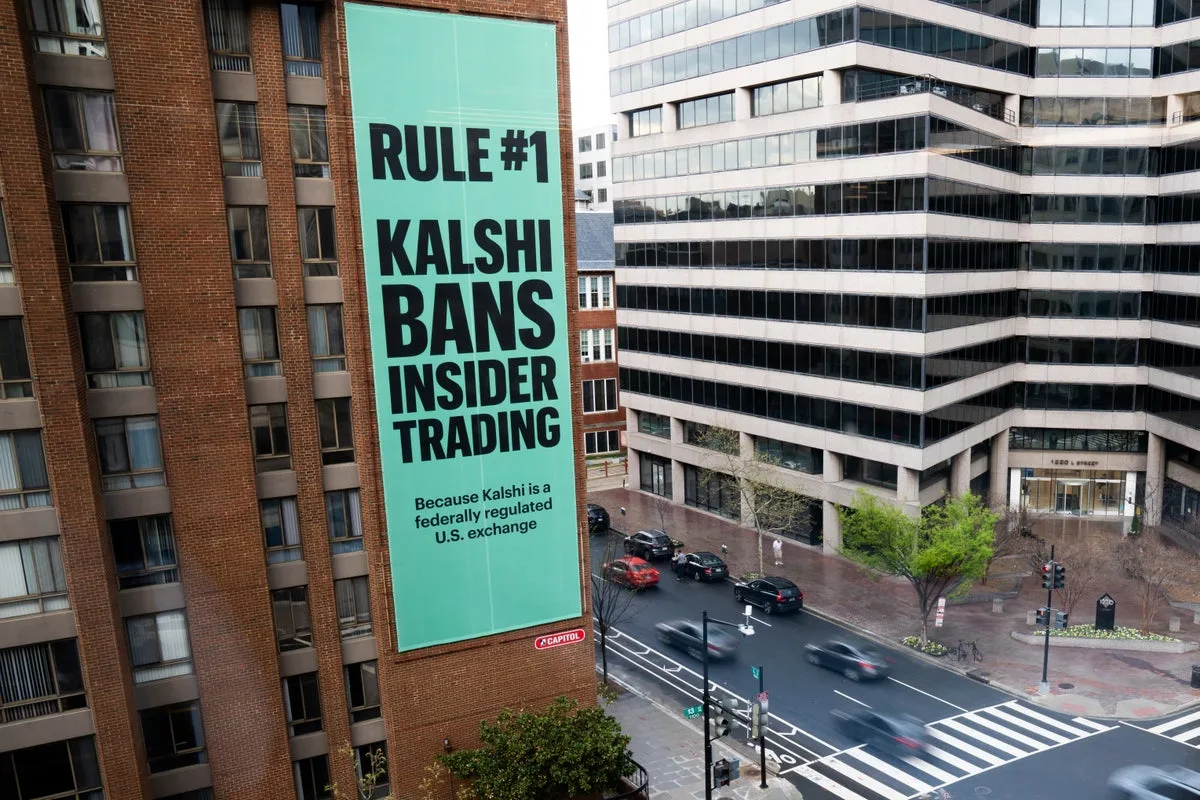
In contrast, Kalshi, established in 2018, promotes its status as a regulated prediction market and has banned extreme betting markets. Kalshi spokesperson Elisabeth Diana stated, "We support Congress and regulators taking action to police insider trading, keep prediction markets onshore and under federal regulation. Not all prediction markets are the same."

Regulatory Challenges and the CFTC's Role

The Commodity Futures Trading Commission (CFTC), which oversees prediction markets in the U.S., is under the spotlight. Critics like Dennis Kelleher of Better Markets argue the agency lacks the experience and resources to effectively regulate these markets. The CFTC currently has only one member, Michael Selig, a former law clerk appointed by Trump, raising concerns among Democrats about enforcement capabilities.

Pickt after-article banner — collaborative shopping lists app with family illustration

During a House Agriculture Committee hearing, Selig emphasized the agency's focus on hiring staff and protecting market integrity, but acknowledged challenges in regulating offshore markets. The CFTC has also sued states like Connecticut, Arizona, and Illinois to assert its regulatory authority, creating a complex legal landscape.

Future Outlook and Immediate Actions

While there is no immediate path to passage for regulatory bills, lawmakers agree on the need for action. Senator Young described his proposal as a first step, noting, "But I think we can all agree at this early stage, as usage of these platforms grows and real money is put at stake, that this is a measure that should be taken immediately."

As the debate continues, prediction markets remain a focal point in Washington, with ongoing discussions about balancing innovation with ethical and regulatory safeguards to prevent abuse and protect public trust.