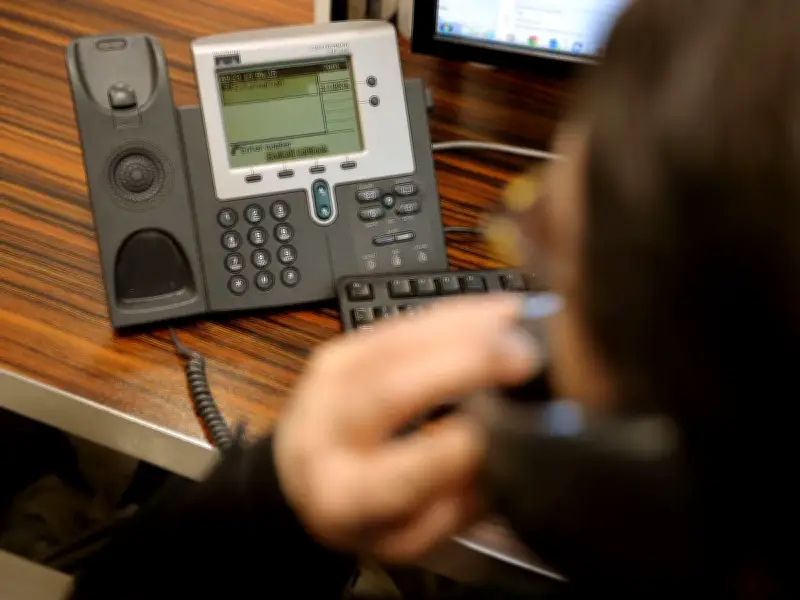
More than two million people across Britain who rely on a telephone service that has been in place for over 150 years are being urged to take immediate action as a nationwide infrastructure overhaul approaches.
By 31 January 2027, BT Openreach will permanently switch off the UK's ageing analogue Public Switched Telephone Network (PSTN), ending the traditional copper-wire telephone system that has been in service since the 19th century.
Digital voice replaces copper network
The upcoming deadline means the traditional copper network is being retired in favour of digital phone technology, often referred to as VoIP (Voice over Internet Protocol) or digital voice. Instead of plugging a telephone handset directly into a traditional wall socket, home phones will now plug into a broadband router.
While the upgrade promises clearer call quality, greater reliability, and fewer faults than the deteriorating analogue network, it fundamentally changes how landlines operate. Because digital landlines rely on broadband and mains electricity to function, they will stop working during a power cut unless households have a backup power solution in place.
Early action advised for households
Officials and telecoms providers are stressing that consumers should not wait until the last minute. Households are being advised to contact their service provider as soon as possible to arrange the transition.
Taking action early allows residents to:
- Check device compatibility: Ensure that auxiliary equipment connected to phone lines – such as telecare devices, health pendants, burglar alarms, CCTV systems, and payment terminals – are fully compatible with the new digital network.
- Understand broadband requirements: Transition smoothly to modern broadband options, such as Full Fibre, where available.
- Avoid service disruptions: Prevent the risk of losing phone connectivity or being moved onto limited temporary emergency services if deadlines are missed.
Telecare users face particular risk
For the vast majority of consumers, the transition is expected to be straightforward, but checking in with providers early is vital to ensure vulnerable family members and connected home hardware are not left unprotected when the copper network goes dark.
Among the systems dependent on PSTN is telecare. AgeUK says the system uses technology to enable people to live more independently and securely in their own homes – such as a device that triggers an alert if gas is accidentally left on, or a personal alarm enabling someone to summon assistance following a fall.
Those households will be affected by the switchover. Telecoms companies have been working alongside local councils to pinpoint telecare users, officials say. Companies are also reportedly providing extra support to telecare users during the transition, including free engineering visits and battery back-ups for telecare equipment and landlines where necessary.
OpenReach is now alerting customers that the deadline is rapidly approaching and urging them not to put it off, or risk losing essential services.