UK Ebike and E-Scooter Fires Reach Alarming Record Highs in 2025
Fire incidents involving ebikes and e-scooters in the United Kingdom have escalated to unprecedented levels, according to a recent investigation. Data obtained through freedom of information requests reveals a sharp increase in blazes, raising significant safety concerns linked to lithium batteries and poorly regulated online sales platforms.
Record-Breaking Fire Statistics
In 2025, fire brigades across the UK recorded at least 432 ebike fires, marking a substantial 38% surge from the 313 incidents reported in the previous year. This figure represents more than a fivefold increase compared to the 84 ebike fires documented in 2021. Simultaneously, e-scooter fires rose by 20%, with 147 incidents in 2025 up from 123 in 2024.
The statistics were compiled from responses by 37 out of 49 fire brigades contacted, highlighting a widespread issue. The London Fire Brigade reported the highest numbers, with 171 ebike fires and 35 e-scooter blazes last year. Other regions with notable figures include Nottinghamshire, which recorded 30 ebike fires, followed by Greater Manchester with 13 and Avon with 10. For e-scooter fires outside London, Greater Manchester led with 13 incidents, ahead of Avon's 10.

Causes and Safety Concerns
Experts attribute the rise in fires primarily to failures in batteries, conversion kits, and chargers, often associated with products purchased from online marketplaces. These platforms frequently lack stringent quality controls compared to established retailers, increasing the risk of malfunctions. Nick Bailey of BatteryIQ, a company monitoring ebike battery safety, emphasised that many incidents involve "cut-price products sold through online marketplaces with lax quality control." He also warned of a growing black market for DIY and counterfeit batteries, particularly among delivery riders using cells reclaimed from disposable vapes.
Fires fueled by lithium batteries can spread rapidly and emit toxic vapours, posing severe risks to life and property. A tragic example occurred last year when 30-year-old Eden Abera Siem died in a north London house fire likely caused by a charging ebike battery. Lesley Rudd, chief executive of the charity Electrical Safety First, stated, "Poorly made batteries and accessories, often sold via under-regulated online marketplaces, are of huge concern and are a major route through which dangerous devices are entering people’s homes." She added that without enforceable safety changes, further loss of life is inevitable.
Regulatory and Legal Context
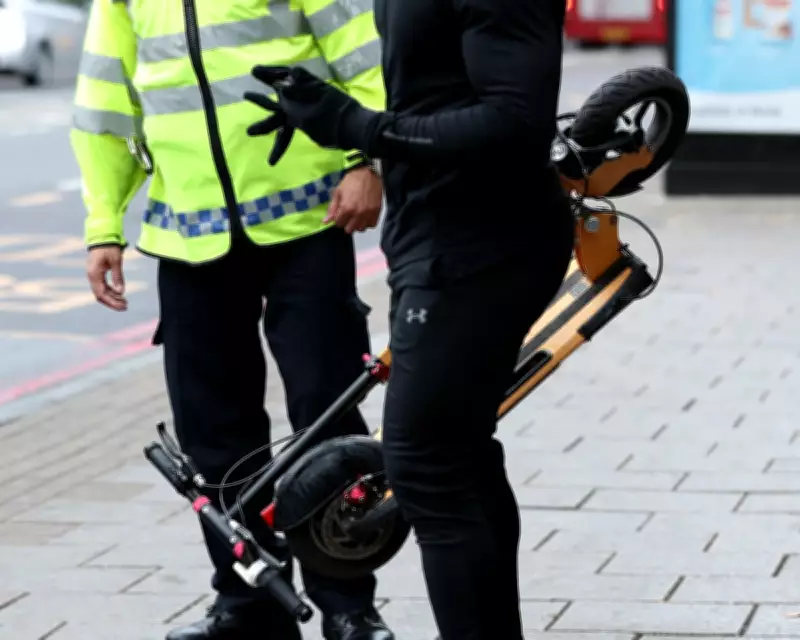
In response to these dangers, Transport for London has implemented bans on privately owned e-scooters since December 2021 and extended restrictions to non-foldable ebikes in March last year after an incident at Rayners Lane tube station. While private e-scooters are prohibited in public areas across the UK, illegal usage remains common in urban settings. Legal trials for rental e-scooters on roads continue in various English towns and cities since July 2020.
Under UK law, ebike motors must cut out at 15.5mph, but police report increasing modifications for higher speeds, exacerbating safety risks. Sue Davies, head of consumer rights policy at Which?, highlighted the saturation of online marketplaces with unsafe products, noting that ebikes and e-scooters "can pose serious risks to consumers while also undercutting responsible businesses that comply with the law." The government has initiated a consultation to update product safety frameworks, proposing duties for online marketplaces to prevent unsafe sales by third-party sellers.
Spencer Sutcliff, a deputy commissioner at the London Fire Brigade, expressed extreme concern over the devastating impact of these fires on lives and livelihoods, noting that firefighters "continue to be called out to a worrying amount" of such incidents. As the UK grapples with this escalating crisis, calls for stronger regulations and consumer protections grow louder to mitigate future risks and ensure public safety.