Uber Rolls Out Women-Only Ride Feature Across the U.S. Despite Legal Challenges
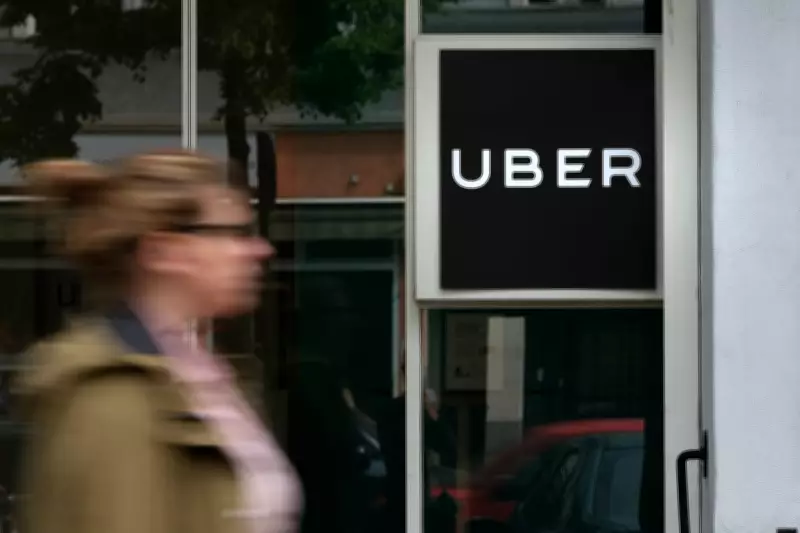
Uber has officially launched a new feature across the United States, enabling women riders and drivers to be matched exclusively with other women for trips. This nationwide expansion follows a pilot program designed to address persistent safety concerns on the ride-hailing platform. The rollout is proceeding despite an ongoing class-action lawsuit in California, which alleges that the policy discriminates against men. Rival company Lyft is also facing a similar discrimination lawsuit over its "Women+Connect" feature, introduced in 2024.
How the Women-Only Ride Feature Works
The feature, detailed in a company blog post, offers several options for users. Women passengers can request a female driver through an in-app option labelled "Women Drivers." If wait times are excessive, they can opt for a different ride or reserve a trip with a female driver in advance. A third setting allows female users to set a preference for a woman driver, increasing the likelihood of a match without guaranteeing it. Uber is extending this option to teen account users as well. Conversely, women drivers can adjust their app preferences to accept trips exclusively from female riders, with the ability to disable this setting at any time. Based in San Francisco, Uber reports that approximately one-fifth of its U.S. drivers are women, though this ratio varies significantly by city.
Legal Challenges and Discrimination Allegations
The class-action lawsuit against Uber was filed in November by two California drivers. They contend that the "Women Preferences" feature violates California’s Unruh Act, which prohibits sex discrimination by businesses. The lawsuit argues that the policy grants minority female drivers access to the entire pool of passengers, while forcing majority male drivers to compete for a smaller pool. Furthermore, the suit claims Uber’s policy "reinforces the gender stereotype that men are more dangerous than women."

Uber has filed a motion to compel arbitration in the case, citing an agreement signed by the plaintiffs upon joining the platform. In its filing, Uber disputes any violation of the Unruh Act, asserting that the feature "serves a strong and recognized public policy interest in enhancing safety." The company stated in court documents, "This feature is a common sense solution to a long-standing request from both women Drivers and Riders who told Uber they would feel more comfortable and safer if they could choose to ride with another woman."
Background and Safety Concerns
Uber initially piloted its "Women Preferences" feature in San Francisco, Los Angeles, and Detroit last summer, expanding it to 26 U.S. cities by November. The company first introduced a version of this feature in Saudi Arabia in 2019, following the country's decision to grant women the right to drive. Similar options are now available in 40 other countries, including Canada and Mexico.
Both Uber and Lyft have faced years of criticism over their safety records, including thousands of reports of sexual assaults from passengers and drivers. In February, a federal jury found Uber legally responsible in a 2023 case of sexual assault, ordering the company to pay $8.5 million to an Arizona woman who said she was raped by one of its drivers.
Uber maintains that because its drivers are contractors and not employees, it is not liable for their misconduct. However, the company says it has taken multiple steps to improve safety, including teaming up with Lyft in 2021 to create a database of drivers ousted from their services for complaints over sexual assault and other crimes.
Uber reports that sexual assault incidents have decreased over the years. According to company data, 5,981 incidents of sexual assault were reported in U.S. rides between 2017 and 2018, compared to 2,717 between 2021 and 2022, the latest years with data available. Uber states this represents 0.0001% of total trips nationwide, highlighting ongoing efforts to address safety while navigating legal and social challenges.