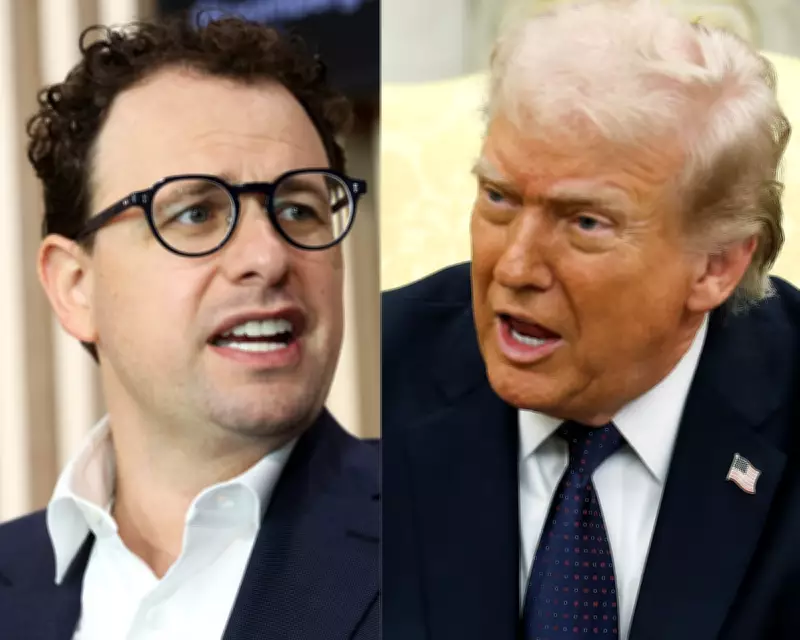
In a move that has ignited fierce debate across political and technological spheres, former President Donald Trump's artificial intelligence company, Anthropic AI, has been awarded a significant contract by the Pentagon. This development, reported in early March 2026, raises profound questions about national security, the role of AI in military operations, and the potential conflicts of interest involving high-profile political figures.
Contract Details and Strategic Implications
The Pentagon contract, valued at an undisclosed sum, is aimed at developing advanced AI systems for defence applications, including surveillance, logistics, and strategic planning. Anthropic AI, founded by Trump after his presidency, has positioned itself as a leader in ethical AI research, but this foray into military technology marks a controversial shift. Defence analysts suggest the deal could enhance the U.S. military's technological edge, yet critics warn it blurs lines between private enterprise and national security.
National Security Concerns Amplified
Security experts have voiced alarm over the contract, citing risks such as data breaches, AI bias in combat scenarios, and the influence of a politically connected figure on defence infrastructure. "Handing sensitive military AI projects to a company led by a former president sets a dangerous precedent," stated Dr. Elena Vance, a cybersecurity professor at MIT. "It opens doors to potential espionage or manipulation, especially if foreign actors target Anthropic's systems."

Moreover, the contract comes amid escalating global tensions, with nations like China and Russia rapidly advancing their own AI capabilities. The Pentagon has defended the decision, emphasizing rigorous vetting processes and the need for innovation to maintain competitive advantage. However, congressional oversight committees have announced plans to investigate the awarding process, focusing on transparency and ethical safeguards.
Ethical and Governance Challenges in AI Defence
The involvement of Anthropic AI in defence raises broader ethical dilemmas about AI governance. Key issues include:
- Accountability: Who is responsible if an AI system fails or causes harm in a military context?
- Transparency: How much of the AI's decision-making process should be disclosed to the public and regulators?
- Bias Mitigation: Ensuring AI does not perpetuate discrimination in targeting or intelligence analysis.
Anthropic AI has pledged to adhere to strict ethical guidelines, but skeptics argue that profit motives and political pressures could compromise these standards. The company's previous work in civilian AI, such as healthcare and education, contrasts sharply with this military venture, prompting calls for clearer regulatory frameworks.
Political Repercussions and Public Reaction
Trump's association with the contract has fueled partisan divisions, with supporters praising it as a boost to American innovation and critics decrying it as a conflict of interest. Polling data indicates a split public opinion, with many citizens expressing unease about AI's growing role in warfare. Social media platforms have seen heated discussions, highlighting concerns over privacy and the militarization of technology.
In response, advocacy groups are mobilizing to demand greater congressional scrutiny and public hearings. "This isn't just about one contract; it's about setting boundaries for AI in society," said Mark Thompson, director of the Tech Ethics Coalition. "We need robust laws to prevent abuse and ensure AI serves humanity, not just corporate or political interests."
As the story unfolds, the Anthropic AI Pentagon deal underscores the urgent need for international cooperation on AI standards, particularly in defence. With AI poised to reshape global security landscapes, this contract may serve as a catalyst for broader policy debates in the years ahead.