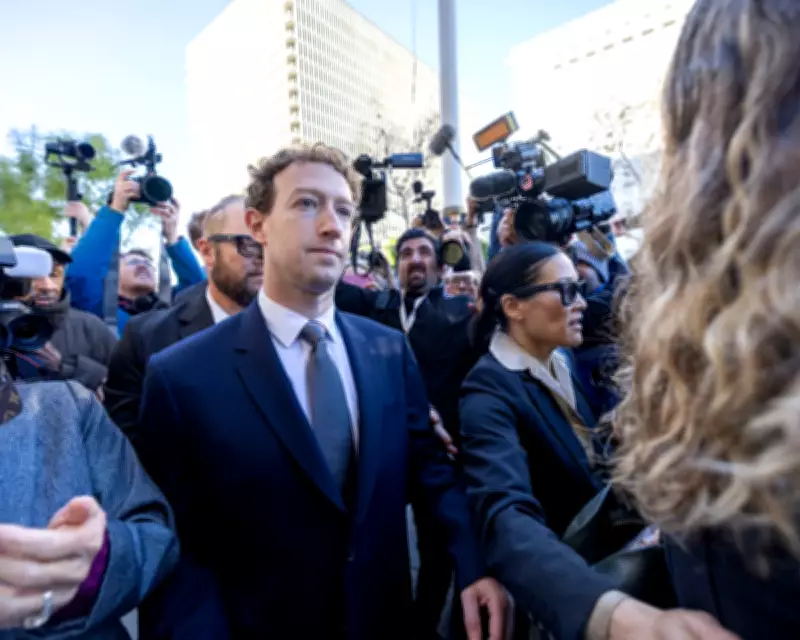
Meta and YouTube Confront Pivotal Legal Battles in Social Media Sphere
In a development that could reshape the landscape of digital governance, two of the world's most prominent social media giants, Meta and YouTube, are currently facing high-stakes legal proceedings. These court cases, which have garnered widespread attention from regulators, users, and industry observers alike, centre on contentious issues surrounding content moderation practices, user safety protocols, and the overarching legal responsibilities of online platforms.
Details of the Legal Proceedings Against Meta
The case involving Meta, the parent company of Facebook, Instagram, and WhatsApp, alleges that the platform has failed to adequately police harmful content, including misinformation, hate speech, and graphic material. Plaintiffs argue that Meta's algorithms and moderation policies have contributed to real-world harms, such as inciting violence and exacerbating mental health crises among vulnerable users. Legal experts suggest that the outcome could set a precedent for how social media companies are held accountable under existing laws, potentially leading to stricter regulatory frameworks or substantial financial penalties.
YouTube's Legal Challenges Over Content Moderation
Simultaneously, YouTube is defending itself in separate litigation that questions its handling of copyrighted material and extremist content. Critics contend that the video-sharing platform's automated systems and human review processes are insufficient to prevent the spread of unauthorised uploads and radicalising videos. The case highlights the ongoing tension between fostering free expression and enforcing community guidelines, with implications for creators, advertisers, and the broader digital ecosystem.

Broader Implications for the Social Media Industry
These legal battles underscore a growing scrutiny of social media platforms' roles and responsibilities. Key points of contention include:
- Transparency: Demands for greater clarity in how content decisions are made and enforced.
- Accountability: Calls for platforms to bear more legal liability for user-generated content.
- Innovation vs. Regulation: The balance between technological advancement and protective measures.
As these cases progress, they are likely to influence policy discussions globally, prompting debates on whether current legislation, such as Section 230 in the United States or the UK's Online Safety Act, adequately addresses modern challenges. Stakeholders from governments to civil society groups are closely monitoring the proceedings, anticipating rulings that could mandate significant operational changes for Meta, YouTube, and their competitors.
In summary, the court cases against Meta and YouTube represent a critical juncture for the social media industry, with potential ramifications for content moderation standards, legal accountability, and the future of digital communication. The outcomes may not only affect these companies but also set benchmarks for how online platforms navigate the complex interplay of innovation, ethics, and law in an increasingly connected world.