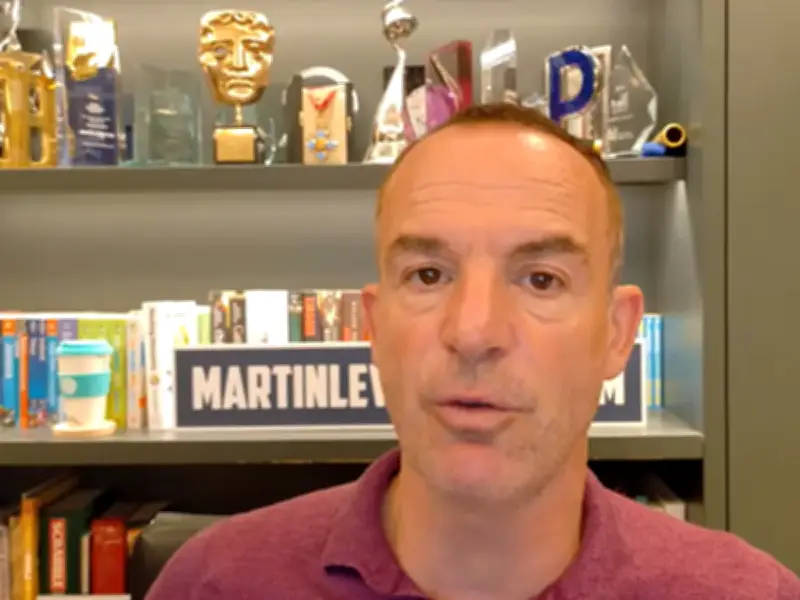
Personal finance expert Martin Lewis has entered the debate over the future of the BBC TV Licence, saying he is ‘uncomfortable’ with people being criminalised for non-payment. He was asked on a live podcast about reports that the Government is considering the introduction of an £11 monthly ‘Home Internet Levy’ on existing consumer broadband bills to replace the current BBC TV licence fee.
Proposed levy and funding options
The idea was proposed to Culture Secretary Lisa Nandy by the cross-party Social Market Foundation (SMF) think-tank. A charge added to broadband bills would be nearly £50 cheaper than the current £180 licence fee, the SMF said. Last week Ms Nandy said she had ‘ruled out’ the option of direct taxation, but other options are being considered.
The proposals will be among the options considered by ministers as part of the Government’s ongoing Charter review into the future of the BBC. On the show, Mr Lewis said: “Do I think TV licensing should be replaced with a means-tested levy from Saul? Do you think it’s a good time to have that conversation? I think it is a good time, but I think the TV licence is a sticky issue with less people watching television.”
Concerns over unregulated platforms
He explained he has concerns with the increase of ‘unregulated’ content on social media platforms from broadcasters: “I do worry about, you know, we’re we’re moving from a form of regulated media, which has to have certain systems and have some form of public service broadcasting in it, to people going onto platforms like this one, which are completely unregulated.
“But I had someone asking me about why I didn’t rant at something on my TV show the other day. And the answer is because it’s regulated current affairs television, and I have to be unbiased. And if you’re going to talk about a company in a negative way, you have to get a right of reply and things have to be done the proper way, which doesn’t apply on social media. I mean, you can still be sued if you liable them, but you get the point.”
On the issue of criminalisation, he added: “As for the TV licence, I haven’t done any thinking about it. I’ll be honest with you. I’ve always been uncomfortable with the criminalisation of non-paying. I think I’m not sure why it has the power to criminalise non-payment in a way. You can’t be criminalised for non-payment if you don’t pay your mobile phone or broadband bill.
“They can take you to court. They can sue you for breach of contract, but it’s a civil, not a criminal tort. But exactly how it’s funded, I haven’t done the thinking.”
SMF proposals and BBC's financial pressures
As well as an overhaul of funding, the SMF said the BBC should become a John Lewis-style mutual society. Under the proposals, BBC “members” would get the opportunity to join a special council which would hold corporation bosses accountable for their decisions.
3.7m households claim not to need a TV licence because they don’t watch live TV. Half a million households stopped paying last year alone, forcing the BBC to find £500m in cuts.
Culture Secretary Lisa Nandy said last week: “No, I don’t think the license fee is finished, but we are looking at a number of options through the charter. It is our firm intention to put the BBC on a sustainable financial footing and it hasn’t been for over a decade.”
Nandy on broadband levy and direct taxation
Ms Nandy was questioned about potential proposals - including whether individuals who claim they don’t use the BBC will be informed they must still pay. She was also asked: “Or are you looking at this idea of funding it through attaching it to people’s internet broadband? subscription?” Speaking on BBC News Ms Nandy said: “We’re looking at a number of options. The only thing we’ve ruled out is direct taxation, partly because of the cost-of-living pressures, but mostly because we are very concerned to safeguard the BBC’s independence. You rightly challenge me and scrutinise other government ministers and me on this program, and we think direct taxation would interfere with that.”
Presenter Roger Johnson asked: “Will the internet companies accept you saying to Virgin Media or Sky, you’re going to have to put an extra £11 on your monthly subscription to pay for something that in Sky’s case is a competitive.”
Ms Nandy replied: “Well, look, that’s not an option that we’ve floated in the media. That’s something that I think the Social Market Foundation has recommended. We’re looking at a number of options. The minute that I start ruling one out, people will suspect that there’s a master plan for others. The truth is, if it were easy to do this in a cost-of-living crisis, another government would have done it earlier. But we are determined to put the BBC on a sustainable financial footing in the fairest way we can.”