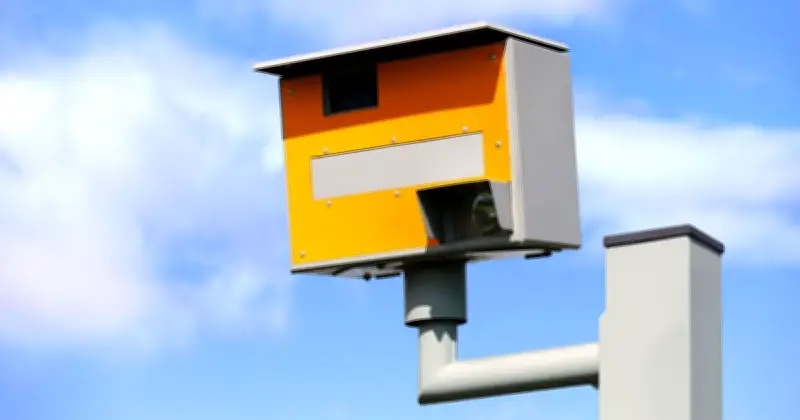
The Metropolitan Police has clarified the rules around speed camera tolerances, confirming that the so-called "10% +2" rule is not a myth and is used by police forces across the UK. However, the guidance does not provide a legal right, and even driving one mph over the speed limit can result in a fine.
What is a speed camera tolerance?
A speed camera tolerance refers to the small buffer above the actual legal speed limit that some cameras allow before triggering a penalty. Many police forces use the guideline of 10% + 2 mph, meaning in a 30 mph zone, a driver could travel up to 35 mph before facing penalties.
Yet, this is just guidance, and motorists can still be penalised. The Met Police explained: "The Met observes the current NPCC guidelines which states that enforcement action should commence as soon as a speed that is at +10% +2mph. This is normally the minimum speed at which enforcement is undertaken in all speed limits."
"The minimum speed at which a speed camera is operated may be varied at any time, but there are no plans to use a threshold that is not contained in the current guidance. NPCC guidance also states that whilst tolerances exist, they do not and cannot replace police officers' discretion."
Which police forces use the rule?
According to the Met Police, the threshold is the same across all safety cameras. Other forces also use this rule, including Avon & Somerset Constabulary, West Mercia Police, Thames Valley Police, Gwent Police, Kent Police, South Wales Police, Suffolk Constabulary, North Wales Police, Police Scotland, Humberside Police and Essex Police.
Why do speed tolerances exist?
Confused.com explained: "Speed camera tolerances exist to improve driver safety. One of the reasons is that drivers have their eyes on the road instead of their speedometer. They also exist because there are variations in speedometers and the speed cameras themselves."
While tolerances do exist, it does not mean motorists are clear to drive at this level. No matter the threshold, drivers should always stick to the speed limit and not exceed it.
What happens if I drive over the speed limit?
In the UK, the minimum penalty for speeding is a £100 fine and three penalty points on your licence. If you build up 12 or more penalty points within three years, you could be disqualified from driving.
You may be given the chance to attend a speed awareness course if you plead guilty to your fixed penalty notice. This will mean you won't pay the fine or get the points on your licence. If you plead not guilty to the fixed penalty notice, you will have to go to court. You can be fined a higher amount and get more penalty points if the court decides you are guilty.