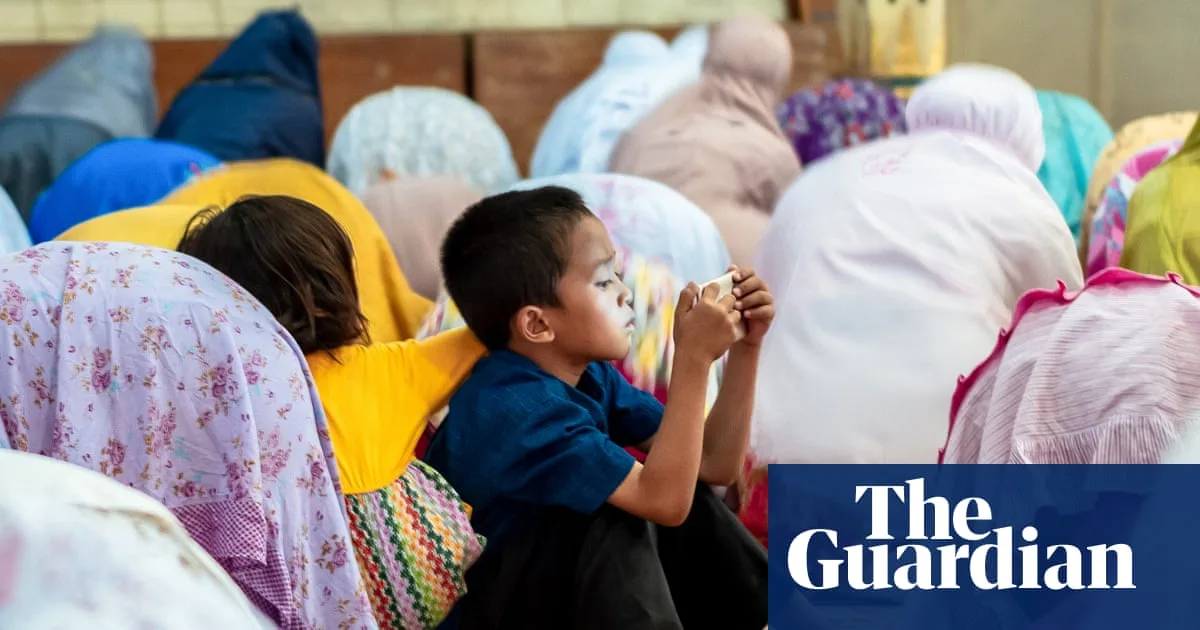
Indonesia will ban social media for children under 16, its communication and digital affairs minister announced on Friday. The regulation, signed by Minister Meutya Hafid, prohibits children under 16 from having accounts on high-risk platforms including YouTube, TikTok, Facebook, Instagram, Threads, X, Roblox, and Bigo Live.
The ban will be implemented gradually from 28 March, giving platforms time to comply. Indonesia, with a population of about 285 million, is the fourth most populous country and a significant market for social networks.
“Our children face increasingly real threats. From exposure to pornography, cyberbullying, online fraud, and most importantly addiction,” Hafid said. She added that the government aims to help parents “fight against the giant of algorithms” and reclaim sovereignty over children’s futures.
Some Jakarta residents welcomed the move. Marianah, 43, said children have “too much freedom” on social media. Harianto, 49, urged the government to also block pornography and online gambling sites. Earlier this week, Indonesia’s ministry conducted a surprise inspection of Meta’s Jakarta office over harmful content compliance.
Indonesia is the first Southeast Asian country to restrict children’s social media access, following Australia’s ban in December 2025. Other nations, including Spain, France, and the UK, are considering similar measures.