Global Crackdown on Social Media for Kids After US Verdicts
Recent jury verdicts in the United States have powerfully validated long-standing concerns about the dangers social media poses to young people. However, the absence of comprehensive federal regulation in the U.S. has prompted a closer examination of how other nations are proactively addressing these risks with stringent legal measures.
US Verdicts Highlight Regulatory Gap
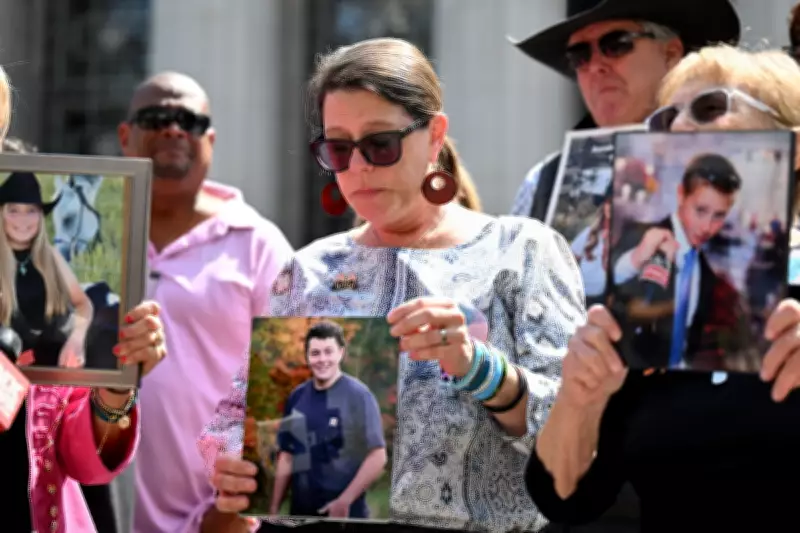
This week, dual jury decisions underscored the severe harms linked to social media platforms. In Los Angeles, a jury found both Meta and YouTube liable for injuries to children using their services. Just a day earlier in New Mexico, another jury determined that Meta knowingly damaged children's mental health and concealed knowledge about child sexual exploitation on its platforms.
While parents and child advocates have welcomed these legal outcomes, they argue that without robust federal oversight to compel change, platforms such as Instagram, YouTube, and TikTok are unlikely to implement meaningful reforms. Many are now placing their hopes on legislation like the Kids Online Safety Act, which passed the Senate in 2024 but has since stalled, highlighting the urgent need for enforceable national standards.

International Approaches to Child Online Safety
In contrast to the U.S. situation, numerous countries have already enacted or are planning a wide array of restrictions on children's online activities. These measures range from outright social media bans to requirements for younger teens to link their accounts to a parent's for supervision.
Australia's Pioneering Ban
In 2024, Australia became the first country to prohibit children under 16 from using social media. The law imposes fines of up to 50 million Australian dollars (approximately $34 million) on platforms like TikTok, Facebook, Snapchat, Reddit, X, and Instagram if they fail to prevent underage accounts. While many parents support this move, experts have raised concerns about the effectiveness of age estimation methods, which do not mandate government-issued ID checks, and potential impacts on free speech, social connections, and user privacy for all ages.
Brazil's Supervision and Feature Restrictions
A new Brazilian law, effective this month, aims to protect minors from addictive, violent, and pornographic online content. It requires children under 16 to link their social media accounts to a legal guardian for supervision. The legislation also bans platforms from using addictive features such as infinite scroll and autoplay videos, and mandates effective age verification mechanisms beyond simple self-declaration.
Indonesia's Planned Ban
Following Australia's lead, Indonesia will ban social media for children under 16 starting this month. The regulation targets "high-risk" digital platforms including YouTube, TikTok, Facebook, Instagram, Threads, X, Bigo Live, and Roblox. Implementation will be gradual from March 28, making Indonesia the first Southeast Asian nation to restrict children's access to social media.
Malaysia's Licensing and Age Verification
Since January 2025, major social media and messaging platforms with at least 8 million users in Malaysia must obtain a license as part of enhanced state oversight. Licensed platforms are required to implement age verification, content-safety measures, and transparency rules. The country also plans to ban children under 16 from social media later this year.
European and UK Initiatives
In Europe, Spain's Prime Minister Pedro Sánchez announced in February plans to limit social media access for children under 16. France approved a bill in January banning social media for those under 15, set to take effect in September, alongside a ban on mobile phones in high schools. Denmark has introduced similar legislation to ban access for users under 15. The United Kingdom stated last month it would consider banning young teenagers from social media as it tightens laws to protect children from harmful content and excessive screen time.
These global efforts reflect a growing consensus on the need for decisive action to safeguard young people in the digital age, even as the United States grapples with its own regulatory challenges.