Highguard's Launch Woes Trigger Major Staff Cuts at Wildlight Entertainment
The hero shooter Highguard, once hailed as a potential blockbuster after its spotlight at last year's Game Awards, is now facing severe turbulence. Developer Wildlight Entertainment has announced the dismissal of a significant portion of its team, citing the game's poor launch performance as the primary cause. This move has sparked concerns about the title's longevity, with many drawing parallels to the ill-fated shooter Concord.
Official Confirmation and Developer Reactions
Wildlight Entertainment confirmed the layoffs through a post on its official X account, stating, "Today we made an incredibly difficult decision to part ways with a number of our team members while keeping a core group of developers to continue innovating on and supporting the game." The exact number of affected employees remains unclear, but estimates suggest over 60 veteran developers, many with credits on acclaimed titles like Apex Legends and Titanfall, were involved in the project.
One of the laid-off developers, Alex Graner, expressed his disappointment on LinkedIn, noting, "Unfortunately, along with most of the team at Wildlight, I was laid off today." He added that the situation is particularly painful due to unreleased content he and others had designed for Highguard, which may now never see the light of day.

Challenges from the Outset
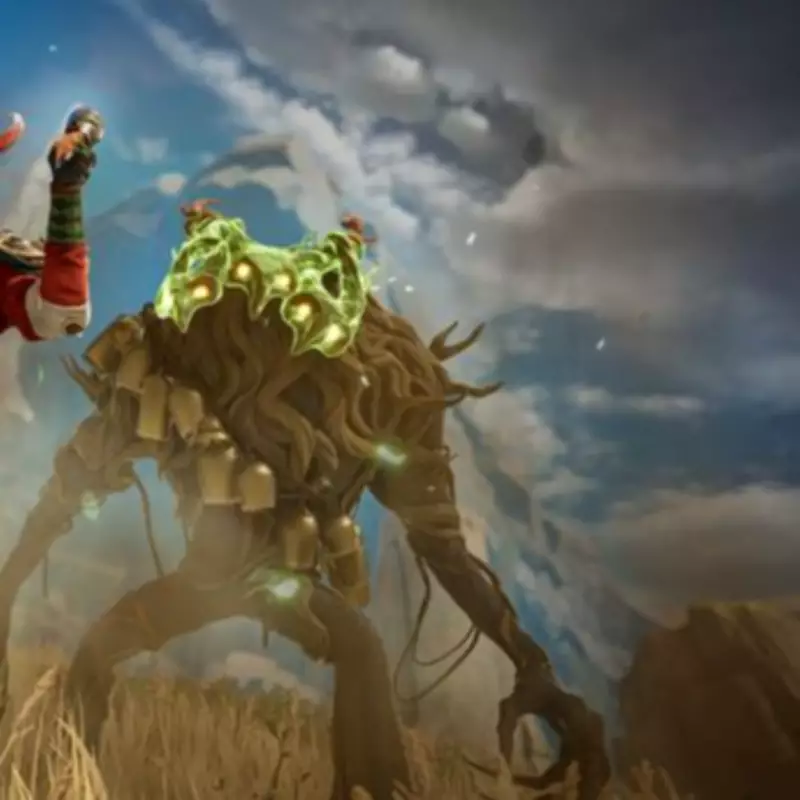
Highguard struggled to gain traction from its initial reveal. The game, a 3v3 shooter blending battle royale and arena elements in a fantasy setting with medieval sieges, failed to resonate with players despite a high-profile trailer at The Game Awards. Originally planned for a stealth launch on January 26, it was instead featured at the end of the show after impressing host Geoff Keighley during early playtests.
However, player numbers have plummeted since launch. On its first day, Highguard attracted roughly 97,000 players on Steam, but recent figures show a stark decline, with only 992 concurrent users and a 24-hour peak of just over 1,700 at the time of reporting.
Comparisons to Concord and Future Prospects
The game's struggles have led to inevitable comparisons with Concord, Sony's live service shooter that was pulled offline less than a week after its launch. While Highguard has shown slightly more staying power, the mass layoffs cast a shadow over its future. Lead designer Mohammed Alavi, who remains with the company, acknowledged the gravity of the situation on LinkedIn, describing it as "f*****g sucks" and mourning the loss of a talented team.
Wildlight's CEO, Dusty Welch, admitted to PC Gamer that a different trailer might have improved initial player sentiment, but emphasized the team's resilience. He stated, "I think, ultimately, we could have made a different trailer - a better trailer that wasn't about entertaining, which is what we think [The Game Awards] was about. We could have made something that did a better job of highlighting the unique loop of the game. So that's on us. We take that, but the team is resilient."
What Lies Ahead for Highguard?
Despite the setbacks, Wildlight Entertainment plans to continue supporting Highguard with post-launch content. A core group of developers will remain to oversee the live service, which is currently in Episode 2, with additional Episodes scheduled every two months. The company has no immediate plans to take the game offline, and it remains available on PlayStation 5, Xbox Series X|S, and PC.
Alavi previously indicated that success for Highguard didn't hinge on massive player counts, but rather on cultivating a dedicated, passionate community. Whether this vision can be realized amidst the current challenges remains to be seen, as the gaming industry watches closely to see if Highguard can avoid the fate of its predecessor, Concord.