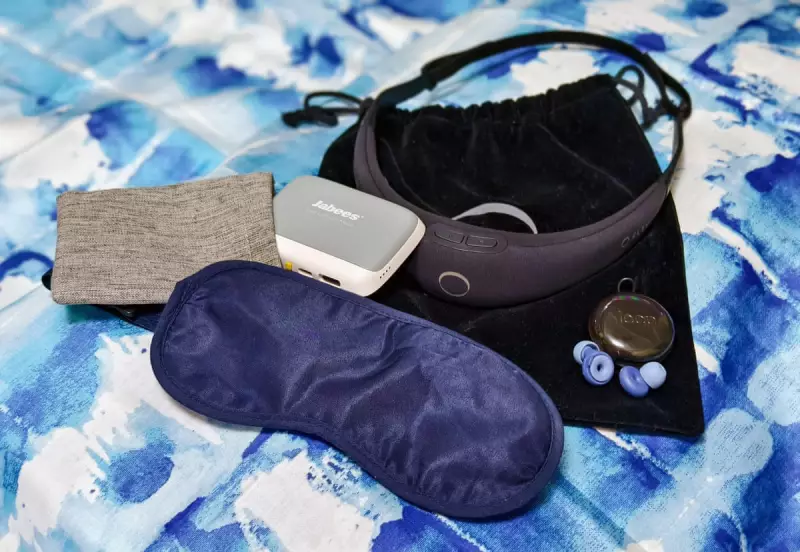
Britain is in the midst of a sleep revolution, and technology is leading the charge. As insomnia rates continue to climb across the UK, a new generation of sophisticated sleep gadgets promises to transform our restless nights into periods of genuine restoration.
The New Arsenal Against Sleepless Nights
Gone are the days when improving your sleep meant simply buying a better mattress or trying herbal tea. Today's market is flooded with high-tech solutions that monitor, analyse, and actively enhance your slumber.
Wearables That Watch While You Sleep
Smart rings and advanced headbands now track everything from heart rate variability to blood oxygen levels throughout the night. These devices provide detailed sleep stage analysis that was once only available in professional sleep labs.

The Oura Ring and similar devices have become particularly popular among British consumers seeking comprehensive sleep data without the discomfort of traditional sleep studies.
AI-Powered Sleep Environments
Intelligent pillows that adjust their firmness based on your sleeping position, smart beds that gently warm or cool different zones, and lighting systems that mimic natural sunrise patterns are becoming mainstream solutions for chronic sleep issues.
Do These High-Tech Solutions Actually Work?
While the technology is impressive, sleep specialists urge caution. "There's a danger of becoming obsessed with the data," explains Dr. Eleanor Vance, a sleep researcher at Oxford University. "Sometimes the pursuit of perfect sleep metrics can actually increase anxiety and make sleeping more difficult."
However, for many Britons struggling with sleep disorders, these devices have provided valuable insights into patterns they never knew existed.
The Cost of Better Sleep
Premium sleep technology doesn't come cheap. High-end smart mattresses can cost thousands of pounds, while advanced wearables typically range from £200 to £500. This raises questions about accessibility and whether these solutions are becoming luxury items rather than healthcare tools.
The Future of British Bedrooms
As technology continues to evolve, we're seeing the emergence of even more sophisticated solutions:
- Smart pyjamas with embedded sensors that monitor sleep quality
- White noise machines that adapt to environmental disturbances
- Sleep robots designed to mimic breathing patterns to calm users
- Advanced sleep apps that integrate with smart home systems
While the effectiveness varies from person to person, one thing is clear: the conversation around sleep in Britain is changing. We're moving from passive suffering to active management of our rest, armed with data and technology that previous generations could only dream of.
As these technologies become more refined and evidence-based, they may well transform not just how we sleep, but how we understand the fundamental importance of quality rest to our overall health and wellbeing.