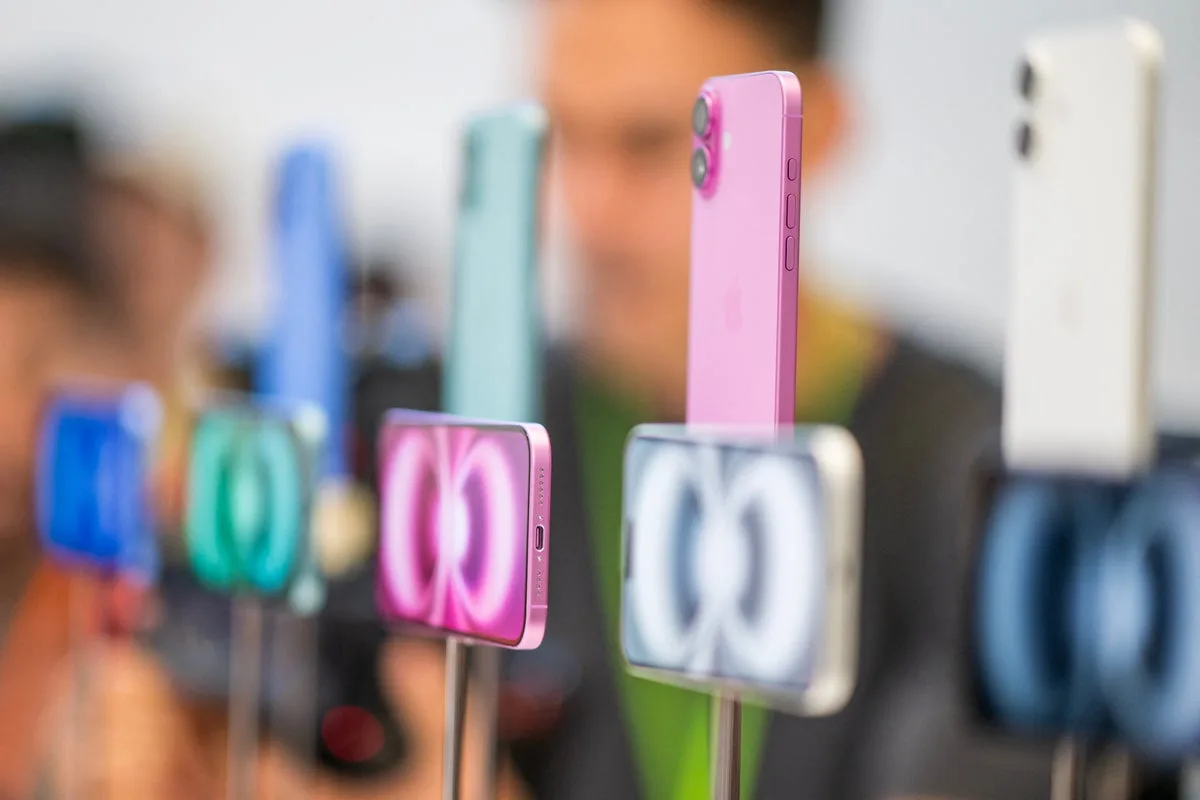
Apple has unveiled the iPhone 16 at an event in California, introducing four new models alongside updates to the Apple Watch and AirPods. The handsets feature expected improvements: a better camera, a slightly changed display, a new side button, and longer battery life.
Early impressions from a brief hands-on session reveal a paradox: the iPhone 16 is a modest upgrade with minor but helpful changes, yet it could be one of Apple's most consequential releases in years. The device is designed to showcase Apple Intelligence, the company's AI platform, which focuses on practical, everyday tasks rather than flashy or risky features.
Apple Intelligence, not yet publicly available, offers tools like message summarisation and writing assistance. Early tests suggest it is accurate and precise, with a restrictive design that minimises errors. However, the new iPhone also stands on its own merits, with visible external changes including a slightly larger size and a new 'camera control' button on the side.
The camera control button uses haptic feedback to simulate a press and sits flush with the phone's side. It allows quick camera access and intuitive zooming and exposure adjustments via swipes and presses. While immediately useful, mastering its precise controls may take time.
Other upgrades, such as sharper cameras and the action button for shortcuts, are welcome but incremental. The full impact of the iPhone 16, particularly its AI capabilities, may not be felt for years, making it a release that combines evolutionary hardware with potentially revolutionary software.