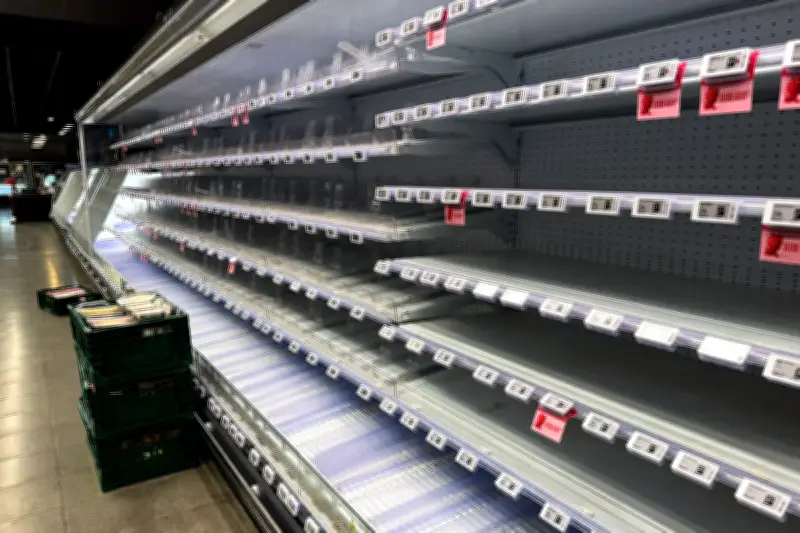
A secret cyber-security operation has protected tens of thousands of fridges and freezers at major UK supermarkets, warehouses, restaurants, petrol stations and stadiums from potential hacker attacks.
The action followed recent cyber attacks in Europe that spoiled tonnes of food at hundreds of stores after temperatures of chilling and refrigeration units were raised remotely.
It was thought the UK had largely escaped the attacks, which France has blamed on Iran, as the British refrigeration industry relies on different devices, but there was in fact a potential vulnerability the sector has been rushing to fix in a “race against time”, the BBC reported.
Discovery of the flaw
In late October, security researchers discovered a major flaw that, if found by hackers, could have led to even worse damage to the UK, the broadcaster said. Since then, researchers, IT teams and the National Cyber Security Centre have been working around the clock to warn dozens of companies.
It is understood protecting sites in London was a key part of the operation. The security threat was discovered by staff at refrigeration consultants Omega Solutions, then verified and expanded upon by experts at Pen Test Partners, who helped raise the alarm.
Industry-wide response
The National Cyber Security Centre (NCSC), the Department for Environment, Food & Rural Affairs (Defra) and the Food Standards Agency (FSA) were involved in the campaign to plug the security holes. They held industry conference calls and tasked teams to contact firms at risk.
As well as supermarkets, multiple other areas of the UK food and drink industry were warned to take action, including convenience stores, petrol stations, restaurants and fast food chains, sports arenas, hotels, food processing plants and cold storage sites.
Mitigation measures
In the operation, thousands of devices controlling tens of thousands of refrigeration devices were taken off the open internet either remotely or, in some cases, physically, with staff ordered to remove internet cables and monitor temperatures manually.
Tehran has denied involvement in the cyber attacks. Waves of hacks on refrigeration temperature controllers this year saw fridges at a small number of US military bases impacted in August. On 11 and 12 October, hundreds of supermarkets and food processing sites in France were hit when Danfoss temperature control systems were targeted. On 1 and 2 November, dozens of supermarkets across seven European countries were hit, with Belgium and Luxembourg the worst affected, and a small number of blood bank sites in France also impacted.