Mother of Teen Lost to Fentanyl Hails Landmark Verdicts Against Tech Giants
A Colorado mother, whose teenage son tragically died after consuming a fentanyl-laced pill purchased through social media, is celebrating a series of groundbreaking legal verdicts this week against technology behemoths Meta and YouTube. Kimberly Osterman, whose son Max passed away in 2021 at just eighteen years old, declared that these rulings have fundamentally opened the door for corporations to be held legally responsible for the profound harms inflicted upon children who use their digital platforms.
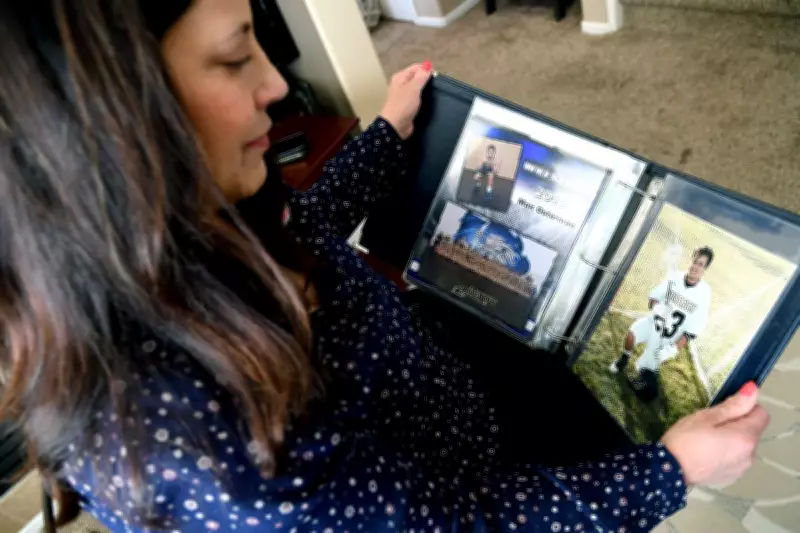
"The undeniable truth is now exposed, and it is absolutely imperative that these companies are finally held accountable for the intentional design of their platforms," Osterman stated emphatically. "They have consistently prioritised corporate profits over the fundamental safety and wellbeing of our most vulnerable users." Reflecting at her Colorado home while browsing through cherished family photo albums, Osterman reminisced about "the simpler days before the era of social media dominance. The days before the endless, addictive scrolling algorithms ensnared him." Shelves adorned with framed photographs of Max, decorated with hearts and angel wings, served as a poignant reminder of her loss.
A Fatal Transaction and Pursuit of Justice
Osterman detailed how her son, Max, who excelled academically and was passionate about lacrosse and wrestling, arranged to meet a drug dealer he connected with on Snapchat. He purchased what he believed to be the prescription painkiller Percocet. Tragically, the pill was contaminated with a lethal quantity of the synthetic opioid fentanyl, and he was found deceased the following morning. The individual who sold the pill, Sergio Guerra-Carrillo, was subsequently convicted and sentenced to six years in prison on drug distribution charges in 2023.

While Osterman is independently pursuing a wrongful death lawsuit, separate from the cases adjudicated this week, the recent verdicts represent a significant legal shift. In Los Angeles, a jury determined that both YouTube and Meta—the parent company of Instagram and Facebook—were liable for injuries to children, specifically due to designing their platforms with features intended to addict young users. Both corporations have expressed disagreement with the verdicts and indicated potential appeals.
Broader Legal Reckoning and Advocacy Efforts
In a parallel case in New Mexico, a jury found that Meta knowingly damaged children's mental health and deliberately concealed its knowledge regarding child sexual exploitation occurring on its platforms. Meta has also stated its intention to appeal this decision. Notably, Snap Inc., the parent company of Snapchat, settled for an undisclosed financial sum in January, just prior to the commencement of the Los Angeles trial. TikTok has similarly agreed to a settlement, though specific details remain confidential.
Kimberly Osterman is an active member of Parents for Safe Online Spaces (ParentsSOS), a coalition comprising parents who have lost children to various forms of online harm and who vigorously campaign for enhanced regulatory measures. The group has been a leading advocate for the proposed Kids Online Safety Act, pending federal legislation that would mandate social media platforms to implement reasonable steps to prevent harm on services likely to be accessed by minors.
"Parents naturally believe their children are safe within the confines of their own homes and bedrooms, but the current reality of social media design shatters that illusion," Osterman warned. She advocates for the implementation of stringent protective measures by social media companies, including robust age verification technologies, to prevent individuals under eighteen from accessing these platforms altogether.
Industry Response and Future Implications
When contacted for comment regarding Osterman's specific case, Snapchat did not provide an immediate response. The company has previously asserted that it employs advanced technological systems to proactively identify and terminate drug dealers' accounts, while also blocking search results associated with drug-related terminology.

It remains uncertain whether these recent verdicts will directly precipitate major, immediate changes in corporate practices across the tech industry. However, legal experts and technology watchdogs agree that the rulings demonstrate a rapidly growing judicial and public willingness to hold dominant social media corporations accountable for their products' societal impacts. These cases are widely anticipated to pave the way for a surge in subsequent litigation and could accelerate the push for comprehensive federal and state regulations governing online spaces.
The collective voice of advocates like Kimberly Osterman underscores a critical demand for meaningful, systemic change to protect young users in the digital age.