Mother's Fight to Remove Murder Images from Social Media After Daughter's Death
Mother Battles to Remove Murder Images from Social Media

Mother's Fight to Remove Murder Images from Social Media After Daughter's Death

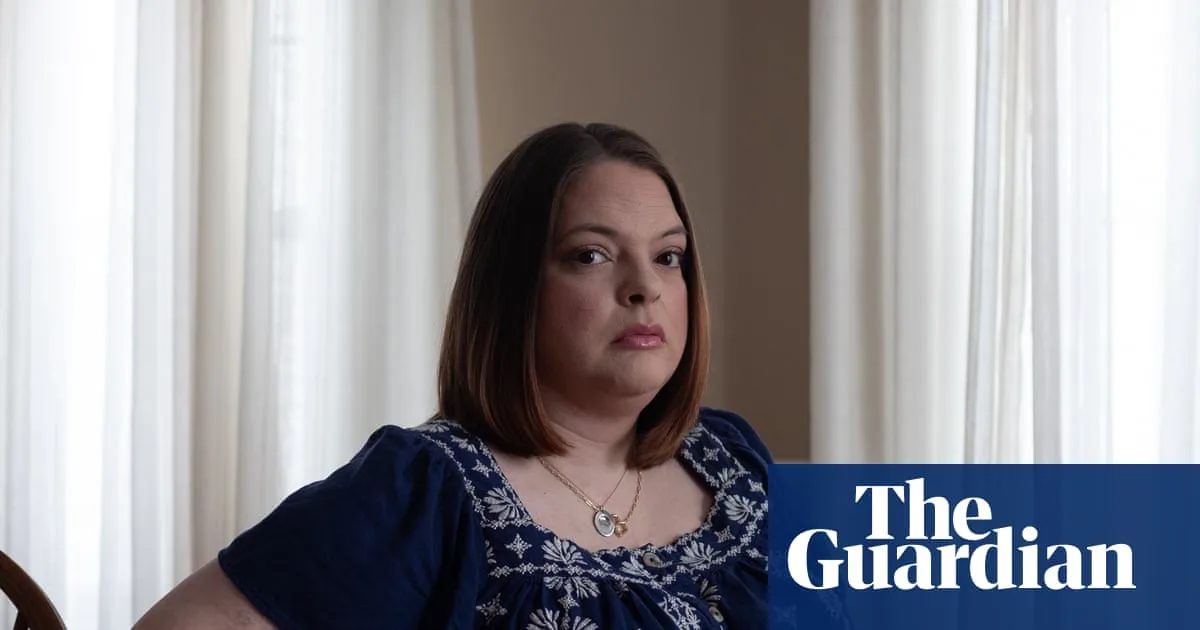
In July 2019, Kim Devins received a visit from police at her home in upstate New York for a welfare check on her 17-year-old daughter, Bianca. The officers mentioned concerns that Bianca might have been hurt, but the reality was far more horrific. Bianca had been murdered by Brandon Clark, who then shared photos of her mutilated body on platforms like Instagram and Snapchat. Seven years later, these images continue to circulate online, with Devins describing the recent anonymous sending of such a photo as psychological terrorism.

The Tragic Events and Online Aftermath

Bianca Devins was a teenager struggling with anxiety, depression, and borderline personality disorder, but she had shown significant improvement after a residential treatment stay. She had reconnected with friends, graduated high school, and planned to study psychology in college. Her life was cut short when Clark, whom she met online, murdered her in a premeditated attack. After the crime, Clark posted graphic images across social media, where they were spread and celebrated by incel communities, calling him a legend and creating memes.

Devins recalls the initial confusion and shock, saying her body seemed to shut down to protect her from the trauma. The scale of the online dissemination was overwhelming, with Bianca's Instagram followers skyrocketing from 2,000 to over 160,000 within days. Despite police requests, social media platforms initially refused to remove the images, citing their rapid spread.

Wide Pickt banner — collaborative shopping lists app for Telegram, phone mockup with grocery list

The Battle for Accountability and Legal Changes

Determined to protect her daughter's memory, Devins began advocating for the removal of the images. She managed to contact her local congressman, Anthony Brindisi, who helped establish a point person for takedowns on major platforms. In 2020, Brindisi introduced Bianca's Law in Congress, aiming to require large platforms to have dedicated offices for content moderation, though it did not pass. However, a state-level Bianca's Law in New York in 2022 criminalized the nonconsensual sharing of crime victim images.

Devins emphasizes that social media companies need crisis-response centers to handle real-time reporting. She criticizes the current lack of regulation, noting that safeguards have diminished, making the internet a wild west. Despite the challenges, she remains committed to the fight, believing Bianca would expect nothing less.

Personal Resilience and Community Support

In the aftermath, Devins found solace in her family, including her younger daughter Olivia and a step-sibling, Maddie, who helped her cope by providing daily purpose. A community of Bianca's friends and followers also rallied online, flooding hashtags with positive images to counteract the gore. This support has been a source of comfort, keeping Bianca's memory alive through messages of inspiration and kindness.

Devins acknowledges that social media can be both a torment and a solace, but she opposes blanket bans. Instead, she calls for greater accountability from platforms to ensure safety without sacrificing connection. As she reflects on the past seven years, she holds onto a dream where Bianca urged her to be happy, a message that fuels her ongoing efforts to make the internet safer for future generations.

Pickt after-article banner — collaborative shopping lists app with family illustration