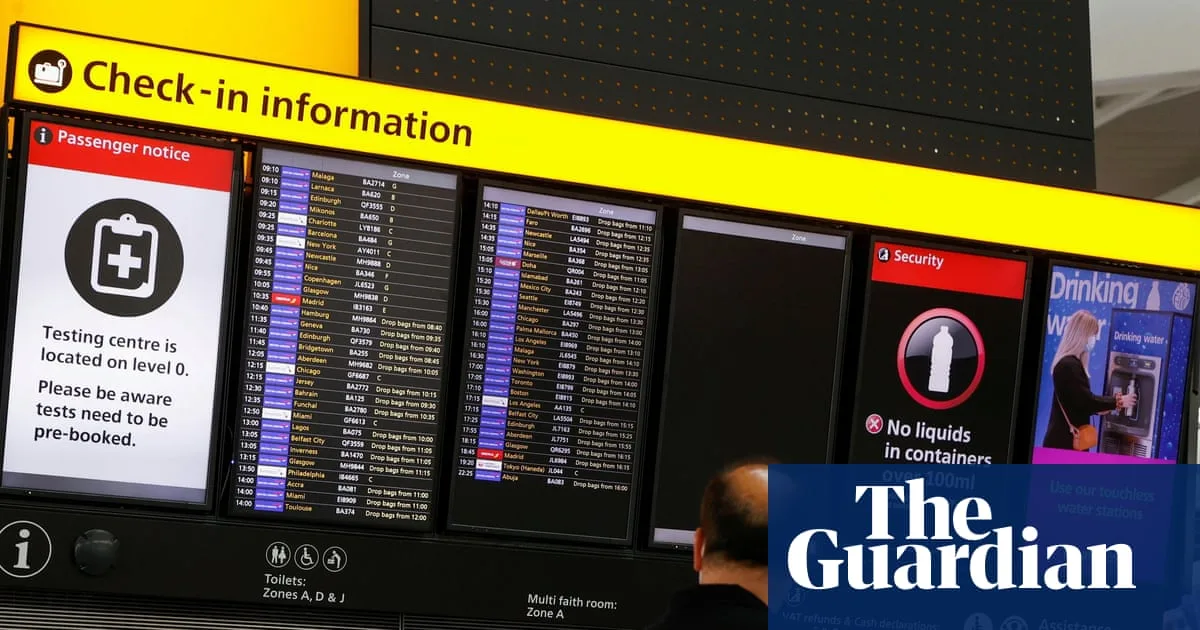
Flights have been delayed and cancelled at three leading European airports, including London's Heathrow, after a cyber-attack hit the software used for check-in and boarding. The attack targeted Collins Aerospace, the company behind the Muse software, which works for several airlines across the world. Brussels and Berlin airports are also experiencing disruption.
The attack has raised concerns about the robustness of critical infrastructure systems. Transport Secretary Heidi Alexander said she is being kept informed and advised passengers to check with their airline before travelling. Collins Aerospace confirmed the disruption and said it is actively working to restore full functionality, noting that the impact is limited to electronic check-in and baggage drop, which can be mitigated with manual operations.
Heathrow advised passengers to check their flight status and not to arrive earlier than three hours before a long-haul flight or two hours before a domestic one. Brussels airport reported that the attack occurred on Friday night, forcing manual check-in and boarding, leading to delays and cancellations. Berlin airport also reported longer waiting times at check-in due to the technical issue.
Cybersecurity expert Prof Alan Woodward from the University of Surrey questioned why only three airports were affected if the system is centralised, suggesting the attackers may have only targeted a subset. He warned that if Collins had to shut down the system, disruption could be enormous. Passenger Maria Casey described queuing for three hours due to manual baggage check-in at Heathrow, unaware of the cyber-attack until later.