Denmark has formally accused the Russian state of orchestrating a series of damaging cyber-attacks, branding the incidents as stark evidence of an ongoing hybrid war against Western nations supporting Ukraine.
Intelligence Points to Russian-Linked Groups
The Danish Defence Intelligence Service (DDIS) stated on Thursday that two significant cyber operations were conducted by groups connected to Moscow. The first, in December 2024, targeted a water utility in Køge, where hackers seized control of a waterworks system. They manipulated pump pressure, resulting in three burst pipes.
This attack was attributed to the pro-Russian hacking collective known as Z-Pentest. The second wave involved distributed denial-of-service (DDoS) attacks on Danish websites in the run-up to the country's municipal and regional council elections in November. These were carried out by the group NoName57(16).

"The Russian state uses both groups as instruments of its hybrid war against the west," the DDIS asserted. The agency's director, Thomas Ahrenkiel, confirmed they are "very certain" of the groups' pro-Russian alignment and their connections to the Russian state.
A Campaign to Undermine and Punish
The intelligence service clarified that the objective of these operations extends beyond mere disruption. "The aim is to create insecurity in the targeted countries and to punish those that support Ukraine," their statement read. Russia's cyber activities form a core part of a broader influence campaign designed to erode Western backing for Ukraine.
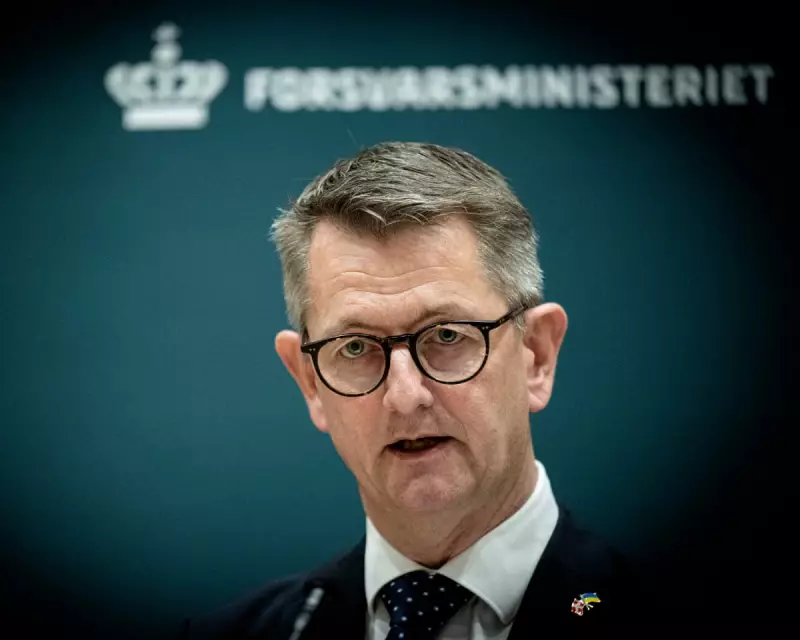
Furthermore, the DDIS assessed that the Danish elections were exploited as a platform to garner public attention, a tactic observed in other European electoral processes. Defence Minister Troels Lund Poulsen condemned the attacks as "completely unacceptable," stating he takes the incidents "very seriously."
"This is very clear evidence that we are now where the hybrid war we have been talking about is unfortunately taking place," Lund Poulsen said. In response, the Danish foreign office will summon the Russian ambassador for a meeting.
Denmark Admits Vulnerability in New Threat Landscape
Despite the attacks causing limited physical damage, they have exposed critical vulnerabilities. The Minister for Resilience and Preparedness, Torsten Schack Pedersen, warned that the incidents demonstrate "there are forces capable of closing down important parts of our society."
In a stark admission, Pedersen conceded that Denmark is not sufficiently equipped to withstand such attacks from Russia. "I think you have to be incredibly naive if you think we are at the top of cybersecurity," he remarked.
This episode follows a separate incident in September, where Copenhagen labelled a series of drone incursions over Danish airports and military sites as a "hybrid attack." Those events, which revealed gaps in national defence, have contributed to broader European discussions on establishing a coordinated "drone wall."