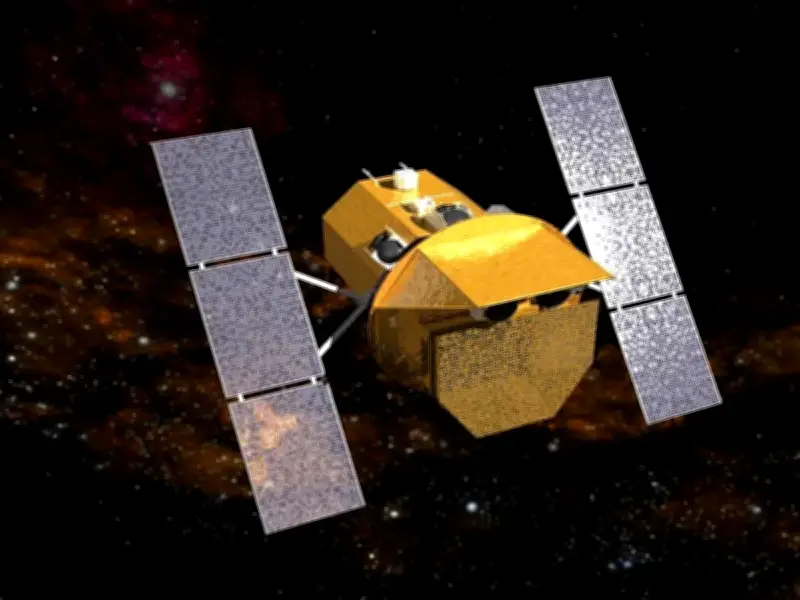
Katalyst Space, a startup based in Arizona, is preparing to launch a $30 million robotic spacecraft to rescue NASA's Neil Gehrels Swift Observatory, a £200 million telescope that has been orbiting Earth for over two decades. The 1.5-tonne probe is losing altitude faster than expected due to increased solar flare activity, which has expanded the Earth's atmosphere and created additional drag on low-orbit spacecraft.
Rescue Mission Details
The rescue spacecraft, named Link, is equipped with three robotic arms designed to grab the Swift observatory and use its thrusters to boost it from its current altitude of 230 miles back to its original orbit of approximately 370 miles above Earth. The mission must ensure Swift remains above 185 miles for the rescue to succeed. Link is scheduled to launch aboard a rocket from Kwajalein Atoll in the Marshall Islands and will spend about a month maneuvering to rendezvous with Swift.
Swift's Legacy and Importance
Launched in 2004, the Neil Gehrels Swift Observatory has been instrumental in tracking gamma-ray bursts and other violent cosmic events. Its continued operation is crucial for ongoing astronomical research. NASA emphasized the significance of the mission, stating, "Saving Swift isn't about just preserving one mission. It's about moving forward into a future where we can give spacecraft a second life."
Challenges and Timeline
NASA awarded the rescue contract to Katalyst Space in September 2025, giving the company less than a year to design, build, test, and launch the rescue spacecraft. Katalyst's CEO Ghonhee Lee noted, "This is the first American space robot to go up and do anything like this. It's just a really different kind of mission." NASA added, "Six months ago, this was a PowerPoint presentation. And it looked nothing like this. In under a year, we're going from the identification of a problem, to a proposal, contract award and straight to launch."