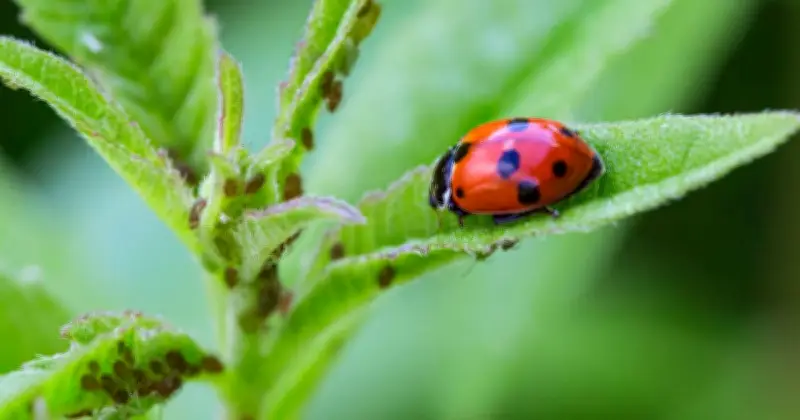
UK gardeners are being encouraged to plant pollinator-friendly flowers to help reverse the dramatic decline in flying insects and pollinators over the past two decades. Climate change, habitat destruction, and intensive farming have all contributed to the loss of insects in British gardens.
Why Pollinators Matter
Gardening expert Chris Bonnett from GardeningExpress.co.uk emphasised the critical role insects play: 'I can't stress enough how important insects are in the garden, and not just for pollination. They act as natural pest control, eating aphids including greenfly and blackfly. Others like beetles and ants break down decaying leaves and other organic matter which puts nutrients back into the soil. Added to that, they're a food source for other wildlife including birds, frogs, hedgehogs and bats.'
Bonnett added: 'Planting beneficial species in the garden is the very least we can do to encourage insects. There are some fragrant, colourful and evergreen suggestions which will maintain interest in the garden, and most importantly, attract bees, butterflies and other bugs.'
Seven Top Plants for Pollinators
Lavender
Celebrated for its soothing aroma and striking purple flower spikes, lavender is low maintenance and thrives in full sun with minimal watering. Occasional trimming prevents it from becoming too woody.
Buddleja (Butterfly Bush)
As its name suggests, buddleja is a butterfly magnet. It flourishes in well-drained soil and full sun, offering abundant nectar. Prune and shape it each spring to keep it healthy.
Honeysuckle
Highly fragrant to humans, honeysuckle provides nectar and pollen for bees, butterflies, and night-flying moths. New shoots attract aphids, which in turn draw ladybirds. Prune after flowering to maintain a lush appearance.
Hardy Geraniums
These colourful blooms are rich in nectar and pollen, attracting bees and butterflies with minimal upkeep. Cut them back after initial flowering to encourage a second bloom later in the season.
Ivy
Ivy offers an excellent habitat for caterpillars and attracts bees, wasps, and late-flying butterflies in autumn. During winter, it provides shelter for insects from harsh weather.
Verbena
Bees and butterflies are particularly drawn to verbena's nectar-rich blooms. These easy-care plants thrive in full sun; avoid overwatering to prevent root rot.
Sunflowers
Sunflowers create a striking focal point with their large yellow heads, supplying plentiful nectar and pollen for bees. After flowering, leave seed heads for birds or collect seeds for next year.
By incorporating these plants, gardeners can create a vibrant, fragrant space that supports declining insect populations while enhancing their own outdoor enjoyment.