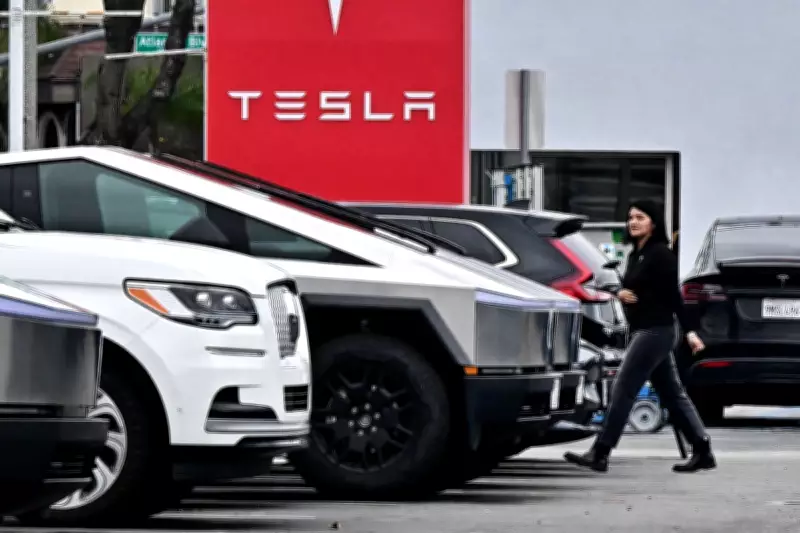
The National Highway Traffic Safety Administration (NHTSA) has significantly expanded its safety probe into Tesla's Full Self-Driving (FSD) driver-assistance system, now encompassing approximately 3.2 million vehicles across the United States. This escalation follows mounting concerns that the camera-based technology may inadequately detect or warn drivers during poor visibility conditions, such as glare, dust, or airborne obstructions.
From Preliminary Evaluation to Engineering Analysis
Initially launched in October 2024 as a preliminary evaluation covering 2.4 million vehicles, the investigation has now progressed to an engineering analysis. This critical step is a prerequisite for the agency to potentially mandate a recall, highlighting the seriousness of the safety issues under scrutiny. The NHTSA's move underscores heightened regulatory pressure on Tesla's autonomous driving ambitions, which are central to the company's strategy of developing a robotaxi fleet amid a shifting focus from traditional automotive operations.
Incidents and Crash Reports
The agency has identified nine incidents potentially linked to the FSD system's shortcomings, including one fatal crash and two injury crashes. Additionally, six other crashes are under investigation for possible connections. In many of these cases, the FSD system reportedly lost track of or failed to detect lead vehicles, raising alarms about its reliability in real-world driving scenarios. The NHTSA emphasized that the system has exhibited behavior violating traffic safety laws, with over 50 reports of such violations prompting a separate investigation into 2.88 million Tesla vehicles last October.

Technical Concerns with Tesla Vision
Since Tesla transitioned to an exclusively camera-based approach, known as Tesla Vision, in mid-2021, it implemented a degradation detection system designed to monitor camera performance. However, data reviewed by the NHTSA suggests this system may fail to appropriately detect or alert drivers under degraded visibility conditions. The agency plans to examine the performance of an updated version of this system, including its deployment timeline, rollout extent, and effectiveness in improving detection and alert capabilities.
Tesla's internal analysis indicated that if the updated degradation detection system had been installed at the time of the crashes, it might have impacted three of the incidents. Despite these findings, Tesla did not immediately respond to requests for comment from Reuters, leaving questions unanswered about the company's stance on the investigation and its implications for future FSD developments.
Global Implications and Market Ambitions
This expanded probe comes at a pivotal moment for Tesla, as the company seeks regulatory approvals for its FSD technology in key international markets like China and Europe. The scrutiny from U.S. authorities could influence these efforts, potentially delaying or complicating Tesla's plans to roll out autonomous features globally. As the investigation unfolds, stakeholders will closely monitor how Tesla addresses these safety concerns while navigating an increasingly complex regulatory landscape.