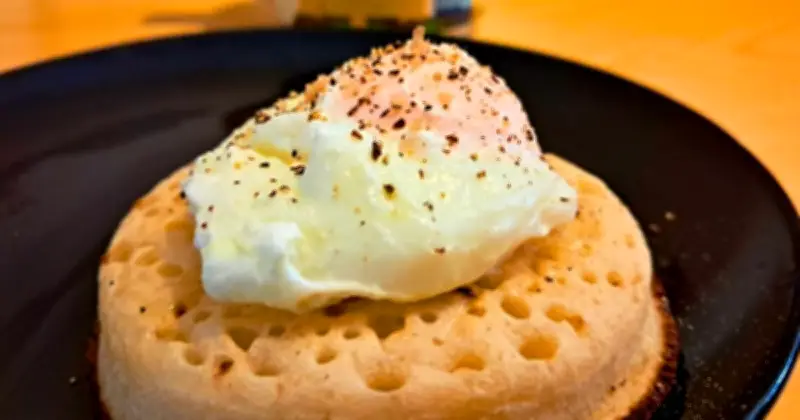
Poached eggs are a beloved breakfast staple, but for many home cooks, achieving the perfect poached egg can be a challenge. The key to success lies in a simple kitchen tool: a sieve. By using a sieve to remove the thin, watery part of the egg white, you can prevent the egg from falling apart in the water, resulting in a firm and intact poached egg every time.
The Problem with Poached Eggs
Poached eggs often fall apart because the egg white is not uniform in thickness. The thin, watery parts spread out in the water or splatter at the bottom of the pan, causing the egg to lose its shape. A sieve solves this by straining out the troublesome thin white, leaving only the thicker, more cohesive parts that hold together during cooking.
The Sieve Method
To use this method, you'll need a handheld sieve, a saucepan, and two small bowls. Fill the saucepan with about five to seven centimeters of water—too much water increases the risk of the egg breaking apart. Bring the water to a simmer, with small bubbles rising but not breaking the surface. Optionally, add a teaspoon of vinegar to help keep the egg intact, though it's not essential.

Place the sieve over a small bowl, crack the egg into it, and wait about five seconds. Then, quickly tip the egg into another small bowl. Bring the bowl close to the water surface and gently slide the egg in. Cook for three and a half to four minutes, until the egg looks solid. Avoid cooking for more than five minutes, as the yolk may set.
Serve and Enjoy
While the egg cooks, toast a crumpet or bread and butter it. Once the egg is ready, remove it with a slotted spoon and place it on the plate. The result is a plump, firm egg with a runny yolk, ready to be enjoyed without any worry about it falling apart.